
Brake Pads, Rotors, and Calipers: Understanding How Your Brakes Work

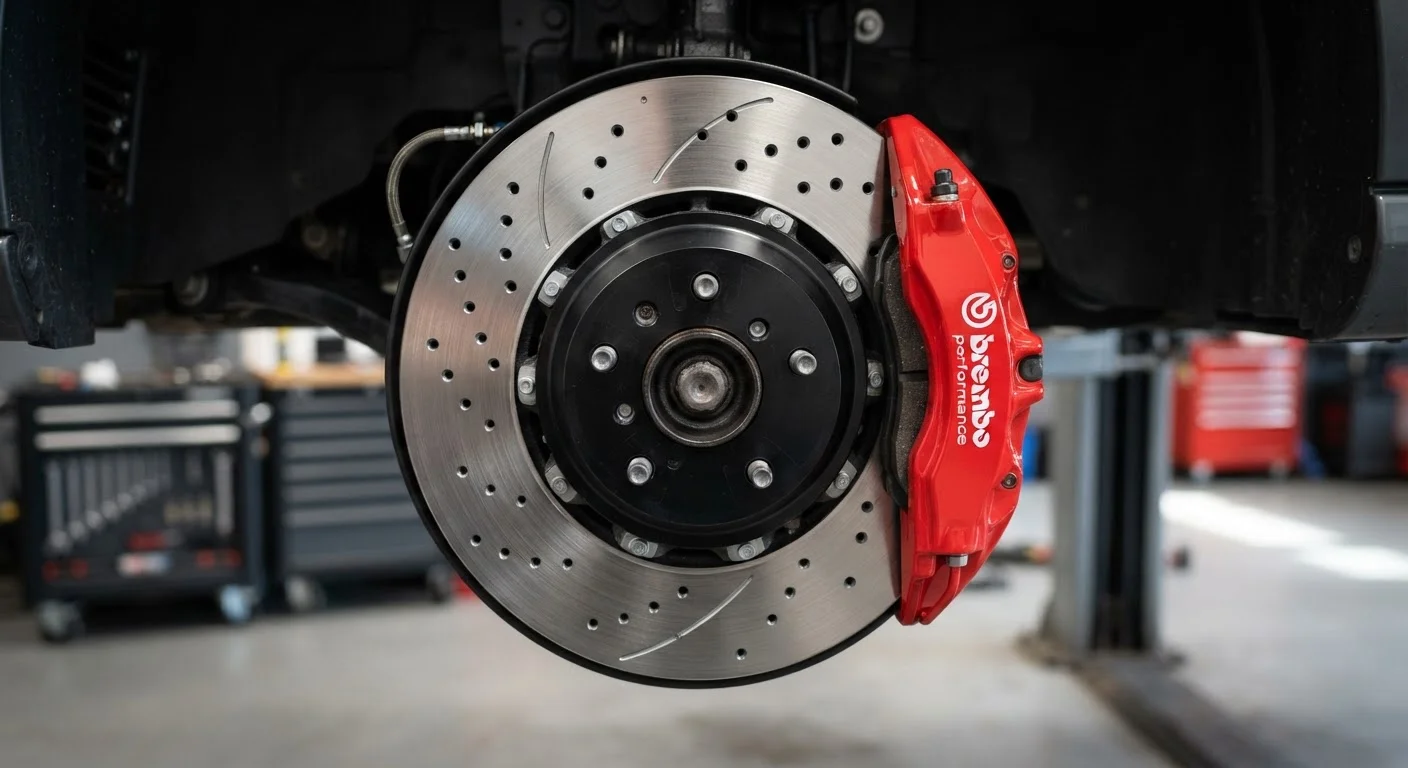
Photo: AscendWit.com | Explore Engaging Blogs. editorial
Key Takeaways
- Brake pads, rotors, and calipers each play a distinct role in stopping your car safely.
- Squealing usually signals worn brake pads; grinding often means the pads are gone and metal is contacting the rotor.
- Brake pads typically need replacement every 25,000-70,000 miles depending on driving habits and pad type.
- Ignoring brake wear can damage rotors, which are more expensive to replace than pads alone.
- Brake fluid is the hydraulic link between your pedal and the caliper - it needs periodic attention too.
The Three Parts That Stop Your Car
Every time you press the brake pedal, three components do the physical work of slowing your vehicle: the brake pad, the rotor, and the caliper. Understanding what each one does makes it much easier to recognize warning signs before they become serious - or expensive.
Brake pads are friction material bonded to a metal backing plate. They're the consumable part of the system - designed to wear down gradually so the rotor doesn't. Pad materials vary (organic, semi-metallic, and ceramic are common), affecting noise, dust, and longevity.
Rotors are the large metal discs attached to each wheel hub. The pad presses against the rotor's flat surface to create the friction that slows the wheel. Rotors can warp from heat or become scored from excessively worn pads.
Calipers house the brake pads and contain one or more hydraulic pistons. When brake fluid pressure builds - from your foot on the pedal - the pistons extend and clamp the pads against the rotor. When you release the pedal, the pads retract slightly.
Drum Brakes Are Still Around
What Brake Noises Are Actually Telling You
Your brakes communicate wear through sound. Knowing the difference between the two most common noises can help you act before minor wear turns into a bigger repair.
- Squealing or squeaking: A high-pitched squeal - especially when you first apply the brakes - is usually the wear indicator doing its job. Most brake pads include a small metal tab that contacts the rotor when the pad wears thin, producing this sound as an intentional warning.
- Grinding: A harsh metal-on-metal grinding noise typically means the pad material is completely gone. The metal backing plate is now contacting the rotor directly, damaging its surface with every stop. At this stage, you likely need both new pads and new rotors.
A pulling sensation to one side during braking can indicate a sticking caliper or uneven pad wear. A pulsing pedal often points to a warped rotor. Neither should be ignored.
Use Tire Rotation Appointments Wisely
How Often Brakes Need Attention
There's no single universal interval for brake replacement because wear depends heavily on how and where you drive. City driving with frequent stops wears pads faster than highway driving. Heavier vehicles also put more demand on the braking system.
As a general reference, brake pads commonly need replacement somewhere between 25,000 and 70,000 miles, but your mechanic should inspect them at each tire rotation or oil change. For context, see how tire rotations work - that service interval is a natural opportunity to have brake wear checked at the same time.
25,000-70,000 mi
Typical brake pad replacement range
The NHTSA and automotive industry sources cite this range as a general guideline; actual wear depends on driving style, vehicle weight, and pad material.
~30%
Of braking force handled by rear brakes
Weight transfers forward during braking, so front brakes typically handle around 70% of stopping force, explaining why front pads wear faster.
2-3 pad sets
Average rotor lifespan in pad replacement cycles
Industry guidance generally indicates rotors outlast multiple sets of pads before needing resurfacing or replacement, assuming pads are changed on schedule.
Rotors last longer than pads but aren't indefinite. Mechanics measure rotor thickness against the manufacturer's minimum specification to determine if they can be resurfaced or must be replaced. Your owner's manual and maintenance schedule may include brake inspection intervals worth following.
One component often overlooked: brake fluid. Over time, brake fluid absorbs moisture, which lowers its boiling point and can reduce braking effectiveness. Checking and changing it periodically is part of sound brake system care - see our guide to car fluids for details on what to watch for.
When to Handle It Yourself vs. See a Mechanic
Brake pad inspection is something many drivers learn to do visually - through the wheel spokes, you can often see the pad thickness against the rotor. However, brake system work involves safety-critical hydraulics, and any repair beyond basic visual inspection is best handled by a qualified mechanic.
If you notice any of the following, have your brakes inspected without delay:
- Squealing that persists beyond the first stop of the day
- Grinding, scraping, or metal-on-metal noise
- Longer stopping distances than usual
- The vehicle pulling to one side when braking
- A brake pedal that feels soft, spongy, or sinks toward the floor
Keeping brakes in good condition is one of the highest-value investments in vehicle safety. For a broader look at what your car needs on a regular basis, routine maintenance every car owner should know about is a practical starting point.
Frequently Asked Questions
The content on this site is for informational purposes only and is not a substitute for professional advice. Always consult a qualified professional for guidance specific to your situation.