
Planning Around Peak Season: A Traveler's Reference to US and International Crowds

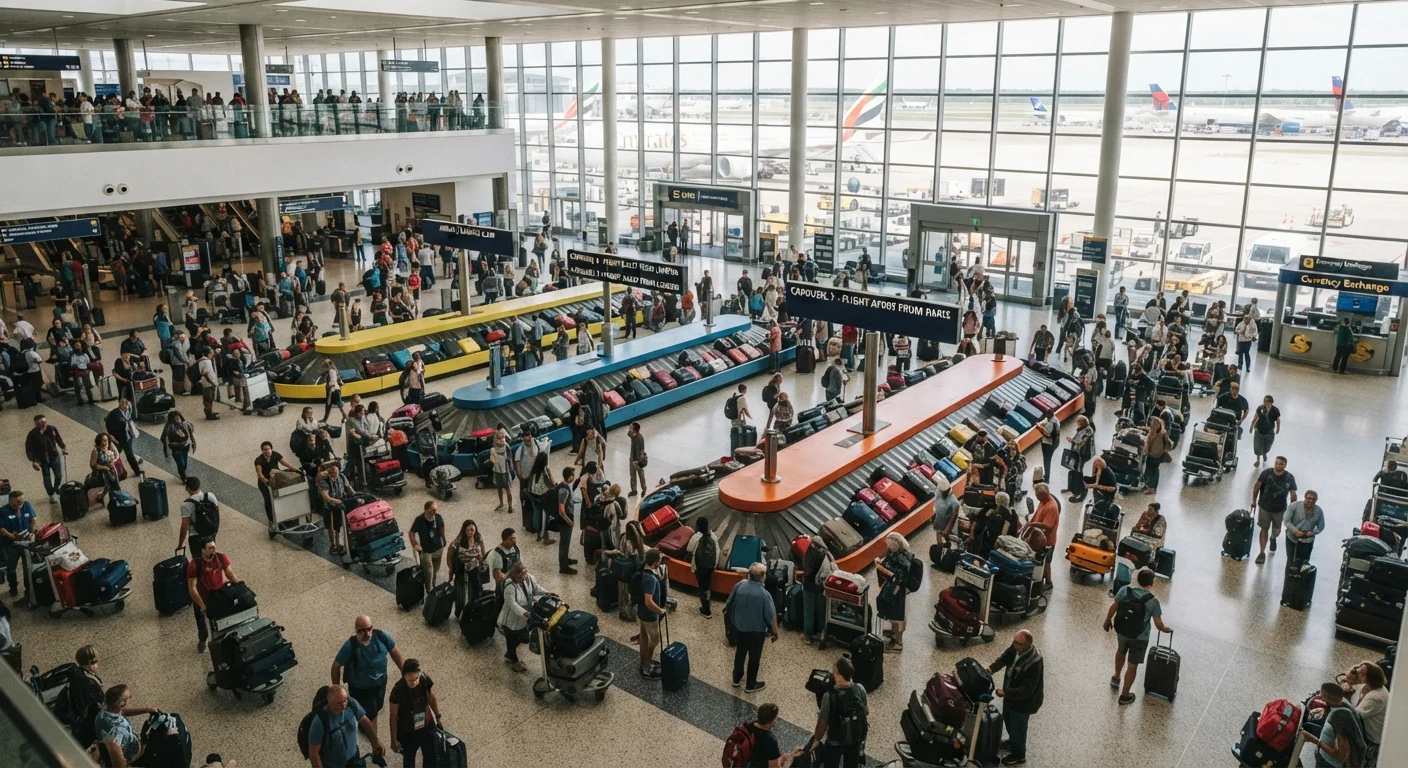
Photo: AscendWit.com | Explore Engaging Blogs. editorial
What Peak Season Actually Means-and Why It Varies
Peak season is not one universal window. It shifts based on school calendars, climate, cultural events, and destination type. A beach resort in Florida hits its busiest stretch during winter months when northern states are cold. A mountain town in Colorado may peak in both July (hiking) and February (skiing). Understanding the driver behind a destination's crowds helps you read the calendar more accurately than relying on a generic guide.
Three primary forces shape peak periods:
- School calendars: US summer break (mid-June through early September) and holiday weeks (Thanksgiving, winter break) generate the highest domestic travel volumes.
- Climate windows: Destinations with narrow windows of favorable weather-such as Alaskan summers or Mediterranean springs-compress visitor demand into short spans.
- Events and cultural moments: Cherry blossom season in Japan, Carnival in Brazil, or major sporting events can spike crowds regardless of the broader season.
| US Summer Peak | Mid-June through Labor Day (early September) (National Park Service visitation data) |
| Top US Holiday Crunch | Thanksgiving week and late December through New Year's (TSA checkpoint travel numbers, annual reports) |
| European Summer Peak | July and August, especially Southern and Western Europe (European Travel Commission visitor reports) |
| Caribbean Hurricane Season | June 1 through November 30 (National Hurricane Center, NOAA) |
| Southeast Asia Dry Season | November through April (varies by subregion) (Regional tourism boards and weather services) |
| Cherry Blossom Peak (Japan) | Late March to mid-April; books out months in advance (Japan National Tourism Organization) |
| Shoulder Season Sweet Spot | May-early June and September-October in most temperate destinations (General travel industry consensus) |
For a deeper look at how seasonal timing reshapes the experience at mountain destinations specifically, see our seasonal trade-offs guide for mountain destinations.
US Domestic Peak Periods by Destination Type
Within the United States, crowd patterns follow a fairly predictable rhythm-but destination type matters:
National and State Parks
Summer is the undisputed peak at most US national parks. Yosemite, Grand Canyon, and Yellowstone all see their highest monthly numbers in July and August. Timed-entry permits have become common at several high-traffic parks; check directly with the National Park Service before planning. Understanding the differences between national and state parks can also help you find less-crowded alternatives. If you're considering the Southwest specifically, review our Southwest travel planning guide for realistic seasonal expectations.
Coastal and Beach Destinations
Atlantic and Gulf Coast beaches peak in June through August. Florida's Gulf Coast and southern destinations, however, attract a second wave of visitors in winter (November through April), when northern travelers seek warmth.
Urban Destinations
Major US cities like New York, Chicago, and San Francisco see year-round tourism, but late spring (April-May) and fall (September-October) are often the most crowded for sightseeing. Holiday markets in December bring another surge to many cities. For travelers open to less congested alternatives, underrated US cities that reward slow travel are worth exploring.
Verify Conditions Before You Go
Shoulder Season Isn't Universal
International Peak Periods: Key Regions at a Glance
International peak timing is shaped by climate patterns and the travel habits of both local and foreign visitors. Here's a regional reference:
318M+
US National Park visits per year
According to the National Park Service, visitation regularly exceeds 300 million annually, with summer accounting for the largest share.
~3M
Daily TSA checkpoint screenings at US peak travel periods
TSA publicly reports checkpoint screening counts; Thanksgiving and summer holiday weekends regularly approach or exceed 3 million travelers per day.
25-40%
Typical airfare premium during peak periods
Travel industry analyses consistently find flight prices rise substantially during school breaks and major holidays, though exact figures vary by route and year.
Europe
July and August are peak months across most of Europe, particularly in Mediterranean countries (Italy, Greece, Spain, France). Crowds thin noticeably by mid-September-the shoulder season here is genuinely rewarding. School holiday periods in the UK and Germany also affect crowd levels in popular cities.
Caribbean and Central America
The dry season (roughly December through April) is peak period for most Caribbean islands. The Atlantic hurricane season (June 1-November 30) covers the traditional off-season; risk varies significantly by island location and month. Don't assume all tropical destinations behave the same way-our article on common tropical planning errors explains why this matters.
Southeast Asia
The dry season (November through April, broadly) draws the most visitors to Thailand, Vietnam, Cambodia, and neighboring countries. However, exact windows vary by subregion-northern Thailand and southern Vietnam have distinct patterns. Research individual destinations rather than treating the region as uniform.
Japan
Cherry blossom season (late March to mid-April) and fall foliage (November) are the two most sought-after travel windows and book out far in advance. Golden Week (late April to early May) is a major Japanese national holiday period that significantly increases domestic travel within the country.
Using This Information to Plan Smarter
Knowing when crowds peak gives you options-but acting on that knowledge requires some planning mechanics:
Peak Season
The period when a destination receives its highest volume of visitors, typically driven by school calendars, favorable weather, or major holidays. Expect higher prices and longer lines during these windows.
Shoulder Season
The transitional weeks between peak and off-season. Crowds thin out, prices often soften, and weather is usually still reasonable-making it a practical middle-ground option.
Off-Season
The period of lowest visitor traffic at a destination. While costs may drop, some amenities, tours, or attractions may operate on reduced hours or close entirely.
Travel Advisory
An official government notice rating the safety conditions of a destination. In the US, the State Department issues four advisory levels that travelers should consult before international trips.
Demand Pricing
A pricing model used by airlines, hotels, and rental companies where rates rise and fall based on how many people are trying to book at the same time. Peak season typically means peak prices.
Crowd Threshold
The visitor volume at which a destination's infrastructure-trails, transit, attractions-begins to feel noticeably strained. Popular sites like national parks often publish visitor data that helps gauge this.
- Book earlier for peak season, later for shoulder: If peak travel fits your schedule, securing flights and lodging well in advance is essential. Shoulder season offers more flexibility. For context on last-minute scenarios, see what last-minute trip planning can realistically accomplish.
- Weigh off-season carefully: Off-season isn't always the bargain it appears-closures, weather risk, and reduced services can outweigh cost savings. Our guide on when off-season travel actually makes sense unpacks this nuance.
- Build in recovery time: High-crowd itineraries require more buffer. Long lines, transportation delays, and decision fatigue accumulate quickly. Structuring your itinerary to avoid burnout is worth reviewing before finalizing your plans.
- Check advisories and entry requirements: Seasonal travel windows often intersect with variable safety or entry conditions. Understanding State Department travel advisory levels is a practical starting point for any international trip.
Once you've identified your ideal timing, back it up with destination-specific research. Our framework for researching a destination before you go walks through a reliable, step-by-step process.
The content on this site is for informational purposes only and is not a substitute for professional advice. Always consult a qualified professional for guidance specific to your situation.