
Mountain Destinations in Summer vs. Winter: A Guide to Seasonal Trade-Offs

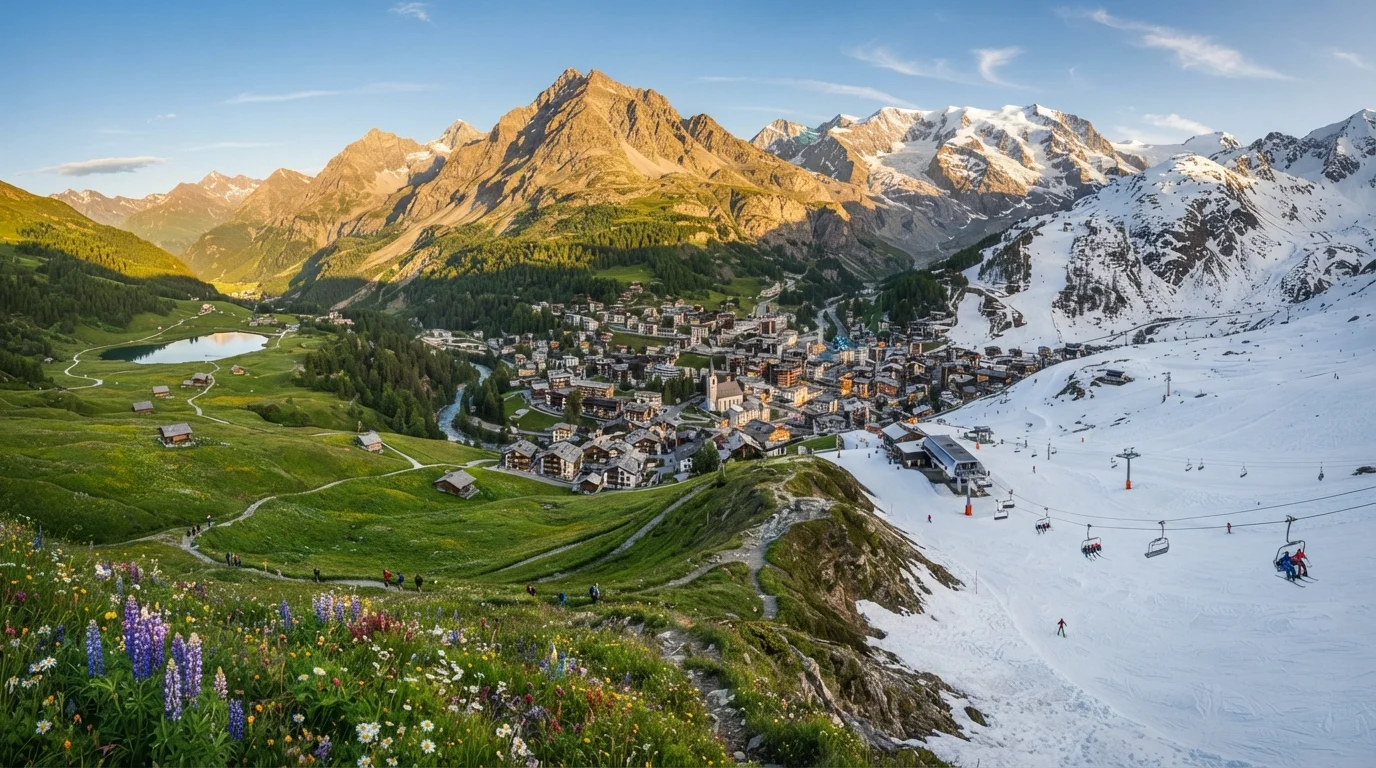
Photo: AscendWit.com | Explore Engaging Blogs. editorial
Key Takeaways
- Summer mountain visits offer hiking, wildflowers, and significantly lower lodging costs than peak ski season.
- Winter brings reliable snow sports but also crowds, higher prices, and weather-related travel risks.
- Many ski towns close or reduce services in late spring and early fall - the so-called shoulder seasons.
- Your activity preferences and budget tolerance should drive your timing decision more than the destination's reputation.
- Always verify road conditions, business hours, and entry requirements before traveling to mountain areas in either season.
Access to world-class skiing and snowboarding
Winter is the primary reason many mountain towns exist in their current form. Groomed runs, backcountry access, and ski school infrastructure are only available when there's sufficient snow.
Full resort amenities are operational
Spas, ski rental shops, après-ski venues, and shuttle networks run at capacity during peak winter season, making the logistical side of a trip smoother.
Unique atmosphere and winter scenery
Snow-covered peaks, frozen lakes, and the particular energy of a mountain town in winter are experiences that can't be replicated in any other season.
More activity options for non-skiers too
Snowshoeing, ice skating, sleigh rides, and cozy indoor experiences give non-skiers meaningful reasons to visit during the colder months.
Significantly lower accommodation costs
Summer lodging rates at mountain destinations can be 40-60% lower than peak winter weeks, making multi-night stays far more accessible for budget-conscious travelers.
Expansive hiking and trail networks open up
Many high-altitude trails are inaccessible or hazardous in winter. Summer unlocks hundreds of miles of hiking options, including iconic routes that see heavy foot traffic year-round.
Milder, more predictable weather conditions
While afternoon thunderstorms are common at elevation, summer weather is generally more predictable than winter storms and less likely to disrupt travel plans.
Wildlife viewing and wildflower seasons peak
Alpine meadows in summer can be visually spectacular, with blooming wildflowers and increased wildlife activity that winter conditions make nearly impossible to observe.
How Mountain Destinations Shift Between Seasons
Mountain towns - think ski resort communities in Colorado, Utah, Vermont, or the Pacific Northwest - are built around seasonality. Their infrastructure, staffing, restaurant hours, and even road access often pivot dramatically between winter and summer. Understanding this transformation helps you set realistic expectations before you book.
In winter, these destinations are essentially in full operation mode: lifts run, lodges fill, and shuttle systems manage crowds. In summer, the same town might feel quieter, with some shops closed and others catering to cyclists, hikers, and festival-goers. Neither version is inferior - they're genuinely different experiences. For a broader look at how seasonal timing shapes travel decisions, see our guide to off-season travel.
Shoulder Season: The Often-Overlooked Option
The Case for Visiting in Winter
Winter is when mountain destinations were designed to shine. Snow-covered slopes, warming huts, and the energy of a resort at full capacity are draws that simply don't exist in the warmer months.
Access to world-class skiing and snowboarding
Winter is the primary reason many mountain towns exist in their current form. Groomed runs, backcountry access, and ski school infrastructure are only available when there's sufficient snow.
Full resort amenities are operational
Spas, ski rental shops, après-ski venues, and shuttle networks run at capacity during peak winter season, making the logistical side of a trip smoother.
Unique atmosphere and winter scenery
Snow-covered peaks, frozen lakes, and the particular energy of a mountain town in winter are experiences that can't be replicated in any other season.
More activity options for non-skiers too
Snowshoeing, ice skating, sleigh rides, and cozy indoor experiences give non-skiers meaningful reasons to visit during the colder months.
That said, the winter experience comes with real trade-offs. Lodging rates at popular ski resorts can be two to three times higher than in summer. Flights into gateway airports often reflect peak demand as well. Weather delays - road closures, storm holds, and flight cancellations - are a genuine planning risk that summer travelers rarely face. If you're driving to a mountain destination in winter, reviewing your vehicle's readiness is worth the effort; our seasonal vehicle maintenance guide covers what to check before cold-weather road trips.
The Case for Visiting in Summer
Summer in the mountains is often underrated, partly because the same destinations are so aggressively marketed as winter getaways. But alpine regions offer genuinely distinct warm-weather experiences - wildflower meadows, high-altitude trails, mountain biking, and access to lakes and rivers that are frozen solid in January.
Significantly lower accommodation costs
Summer lodging rates at mountain destinations can be 40-60% lower than peak winter weeks, making multi-night stays far more accessible for budget-conscious travelers.
Expansive hiking and trail networks open up
Many high-altitude trails are inaccessible or hazardous in winter. Summer unlocks hundreds of miles of hiking options, including iconic routes that see heavy foot traffic year-round.
Milder, more predictable weather conditions
While afternoon thunderstorms are common at elevation, summer weather is generally more predictable than winter storms and less likely to disrupt travel plans.
Wildlife viewing and wildflower seasons peak
Alpine meadows in summer can be visually spectacular, with blooming wildflowers and increased wildlife activity that winter conditions make nearly impossible to observe.
Costs tend to drop substantially. Many resorts transition chairlifts into sightseeing gondolas or mountain bike uplift services, and room rates frequently reflect reduced demand. Crowds thin considerably compared to peak ski weeks. If you're weighing how timing affects different destinations broadly, our peak season planning reference offers useful context by region.
Key Factors to Weigh Before You Choose
Rather than defaulting to one season, consider what actually matters for your trip:
- Activity priorities: Skiing and snowboarding require winter; serious alpine hiking, cycling, and wildflower viewing require summer. Know which matters more to you.
- Budget: Winter peak weeks - particularly around holidays and school breaks - carry the highest price tags. Summer mid-week visits typically offer the most affordable window.
- Travel flexibility: Winter travel to mountain areas carries weather risk that summer travel rarely does. If your schedule is rigid, winter trips need contingency planning.
- Crowd tolerance: Peak ski season at popular resorts can feel congested. Summer, by contrast, may be quieter - though some destinations host summer festivals that create their own crowds.
- Shoulder season awareness: Many mountain towns have defined shoulder seasons (typically late spring and early fall) when services are reduced and some businesses close entirely. If you're visiting during these windows, verify operating hours before finalizing plans.
~$250
Average nightly ski resort lodging, peak winter
Industry hospitality data consistently shows mountain resort lodging rates spike during holiday ski weeks, often exceeding $200-$300 per night for standard rooms at mid-tier properties.
58%
US ski visits concentrated in just 10 weeks
According to the National Ski Areas Association, a large share of annual ski visits occur during a concentrated window around school holidays and spring break.
For general trip planning guidance, including how to evaluate any destination's timing, our planning hub is a useful starting resource.
The content on this site is for informational purposes only and is not a substitute for professional advice. Always consult a qualified professional for guidance specific to your situation.