
Planning a Trip to the American Southwest: Terrain, Climate, and Realistic Expectations

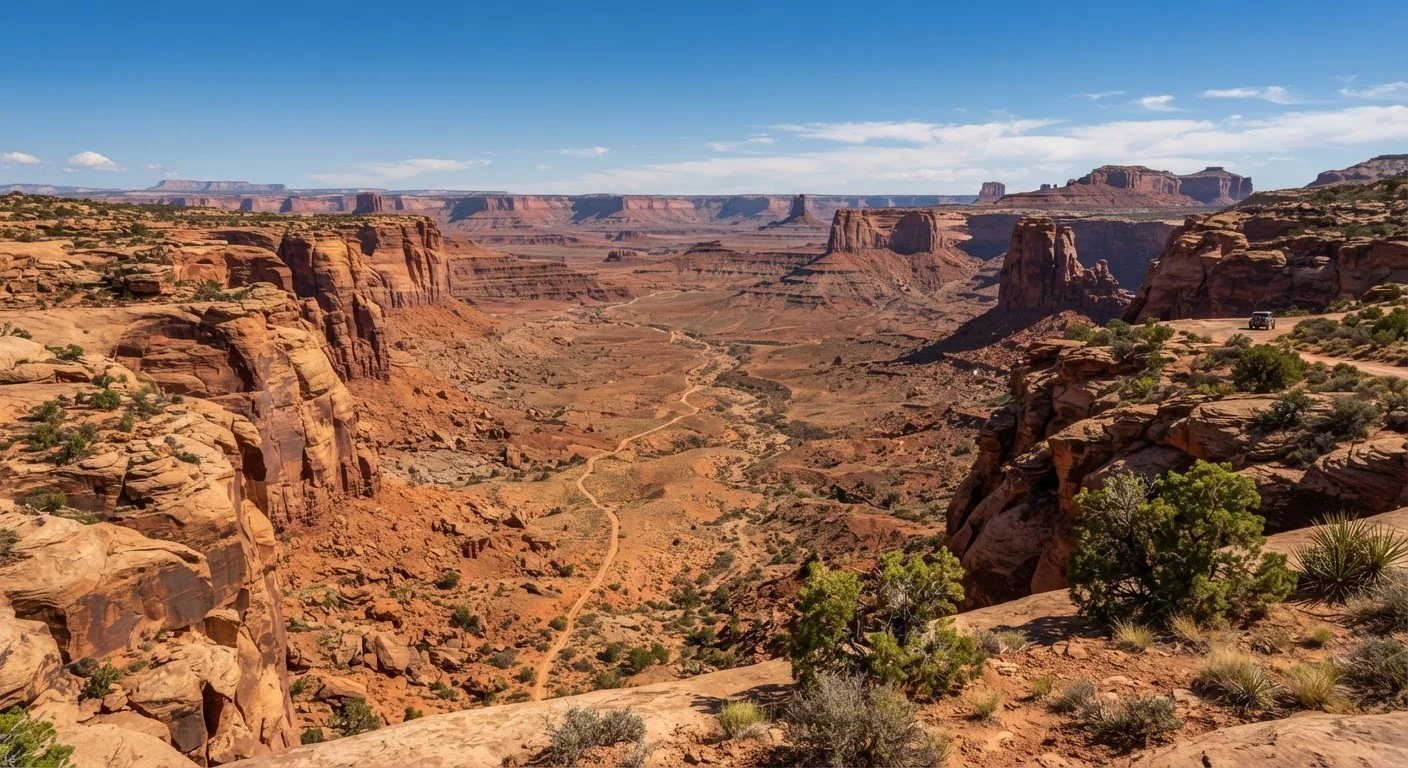
Photo: AscendWit.com | Explore Engaging Blogs. editorial
Key Takeaways
- The Southwest spans multiple states and climate zones - not one uniform desert experience.
- Summer temperatures routinely exceed 105°F in low-elevation areas, posing real safety risks.
- Driving distances between major landmarks often exceed three to four hours.
- Spring and fall are widely considered the most comfortable seasons to visit.
- Physical fitness and heat acclimatization matter more here than in most US destinations.
What the Southwest Actually Looks Like
The American Southwest is not a single landscape - it's a collection of dramatically different terrains spread across Arizona, Utah, Nevada, New Mexico, and parts of Colorado. Within this region you'll find deep canyon systems carved by ancient rivers, high-elevation mesas above 7,000 feet, low desert basins dominated by saguaro cacti, and volcanic plateaus that feel like another planet. Treating the region as one monolithic destination leads to poor planning.
Major destination clusters include the Colorado Plateau (home to the Grand Canyon, Bryce Canyon, and Zion), the Sonoran Desert around Phoenix and Tucson, the red rock country of Sedona and Moab, and the culturally rich Rio Grande corridor through New Mexico. Each has its own microclimate, access challenges, and ideal visitor profile.
750+ miles
Las Vegas to Santa Fe driving distance
A rough measure of how vast the Southwest region is - comparable to Boston to Charlotte.
110°F+
Peak summer temperatures in low desert
Phoenix and Las Vegas regularly reach these temperatures June through August, per NOAA climate data.
4.9M
Annual visitors to Grand Canyon
The National Park Service reports Grand Canyon consistently ranks among the most-visited US national parks.
For context, the distance from Las Vegas to Santa Fe is roughly 750 miles - farther than Boston to Charlotte. Visitors who underestimate the geography end up either rushing past landmarks or discovering mid-trip that their itinerary simply isn't executable. See our itinerary pacing guide for strategies to structure days realistically before you finalize anything.
Climate and Seasonal Realities
Temperature in the Southwest varies as much by elevation as by time of year. The floor of the Grand Canyon can be 20-25°F hotter than the South Rim, and Flagstaff (elevation ~7,000 ft) can see snow in April while Phoenix bakes at 90°F the same day. Neither experience is wrong - they just require different preparation.
Summer (June-August): Low-elevation deserts regularly hit 110°F or higher. Phoenix, Las Vegas, and the Grand Canyon's inner gorge are genuinely dangerous during midday hours. Serious heat-related illness can develop faster than many visitors expect, especially during exertion. This is the off-season for desert hiking for good reason.
Spring and Fall: Mid-March through May and September through November offer the most reliably comfortable conditions across most of the region. Crowds at popular national parks are significant in spring, particularly during spring break. Fall is quieter and many experienced Southwest travelers consider it the ideal window.
Winter: Higher-elevation parks like Bryce Canyon receive snow, which creates striking photography conditions but limits some trails. The low desert in winter is mild and pleasant - a genuine draw for visitors from colder states.
Plan Around Monsoon Season
Monsoon season, roughly July through September, brings sudden afternoon thunderstorms to much of Arizona and New Mexico. Flash flooding in slot canyons is a documented and deadly hazard. Check weather forecasts daily, not just at the time of booking. See our guide to peak season planning for more detail on timing your visit.
Getting Around: Distances Are Bigger Than They Look
A map of the Southwest looks manageable until you realize most of it is empty. Gas stations can be 50-80 miles apart on stretches of highway through Utah, Arizona, and New Mexico. Cell service disappears for long intervals. The drive from Las Vegas to Zion National Park takes roughly 2.5 hours under normal conditions; Zion to Bryce Canyon adds another 1.5 hours. If you're also fitting in Capitol Reef or Canyonlands, you're stringing together a substantial road trip just within southern Utah.
Most Southwest travel is car-dependent. Rental vehicles are the default for visitors flying into hub airports like Phoenix, Las Vegas, or Salt Lake City. Consider fuel range carefully - not every rental gets good highway mileage, and many scenic areas require driving unpaved roads that demand a higher-clearance vehicle.
Flying between cities is sometimes sensible for longer trips. Our road trip vs. flying breakdown walks through when each approach makes practical and financial sense. For those considering a solo trip, our piece on solo US travel for adult beginners addresses specific logistics that apply in remote regions.
Always download offline maps for the specific areas you're visiting before leaving cell range - Google Maps, Maps.me, and Gaia GPS all support this. Dead zones on Southwest highways are not exceptions; they're the rule.
Book national park entry passes and trail permits as far in advance as possible - some, like Angel's Landing at Zion, require a lottery system months ahead of the visit date.
Safety, Health, and Physical Demands
The Southwest is physically demanding in ways that catch first-time visitors off guard. Altitude, aridity, intense sun, and extreme heat combine to accelerate dehydration. The National Park Service recommends a minimum of one liter of water per hour during strenuous activity in hot conditions - and hikers regularly underestimate this. Carry more than you think you need.
Heat Is a Genuine Safety Risk
Sun protection is non-negotiable. At high elevation with low humidity, UV exposure is intense even when temperatures feel moderate. Sunburn, heat exhaustion, and hyponatremia (low sodium from over-hydration without electrolytes) are all documented risks on Southwest trails. Many serious incidents involve fit, experienced hikers who didn't adjust for conditions.
Elevation changes also matter. The South Rim of the Grand Canyon sits above 7,000 feet - visitors flying in from sea-level cities may notice shortness of breath, headaches, or reduced stamina. Ascending quickly from desert floor to high mesa adds additional physiological stress. Allow a day to acclimatize when moving between dramatically different elevations.
Wildlife awareness is relevant in some areas. Rattlesnakes, scorpions, and black widow spiders are present; encounters are uncommon but possible. Stay on marked trails, don't reach into rock crevices, and shake out footwear left outside overnight. These are common-sense precautions, not reasons to avoid the region.
This article provides general travel information only. For any health concerns, symptoms, or decisions related to physical activity in extreme conditions, consult a qualified healthcare professional before traveling.
Matching the Southwest to Your Travel Style
The Southwest suits some travel styles far better than others. Be honest about what kind of traveler you are before committing to a two-week desert itinerary.
- Outdoor enthusiasts and hikers will find world-class trail systems, but should arrive conditioned and well-researched. Difficulty ratings at Grand Canyon, Zion, and Arches are often underestimated by visitors unfamiliar with desert hiking.
- Culture and history travelers will find depth in New Mexico's Pueblo communities, Santa Fe's arts scene, Mesa Verde's cliff dwellings, and Monument Valley's Navajo Nation lands. These areas require cultural respect and, in some cases, guided access - not solo exploration.
- Photographers and scenic drive travelers can experience enormous reward with minimal physical demand. Highway 12 through Utah, the Apache Trail in Arizona, and the Turquoise Trail in New Mexico are among the most visually striking drives in the country.
- Travelers sensitive to heat or altitude should weight their itinerary toward spring or fall visits, higher-elevation areas, and shaded canyon environments rather than open desert in midday hours.
Don't conflate individual parks with the overall region. Zion's Angel's Landing and the Narrows are two of the most photographed hikes in America - but they require reservation systems, physical stamina, and specific seasonal windows. Treating a Southwest trip the same way you'd approach a beach vacation or a city break will leave you unprepared. See trip planning resources for tools to help you structure the logistics from start to finish. Also note the common planning mistakes covered in this guide to destination assumptions - many apply equally to domestic desert travel.
Don't Overschedule Your First Southwest Trip
The content on this site is for informational purposes only and is not a substitute for professional advice. Always consult a qualified professional for guidance specific to your situation.