
The Great Lakes Region: What It Offers Travelers Who Skip It

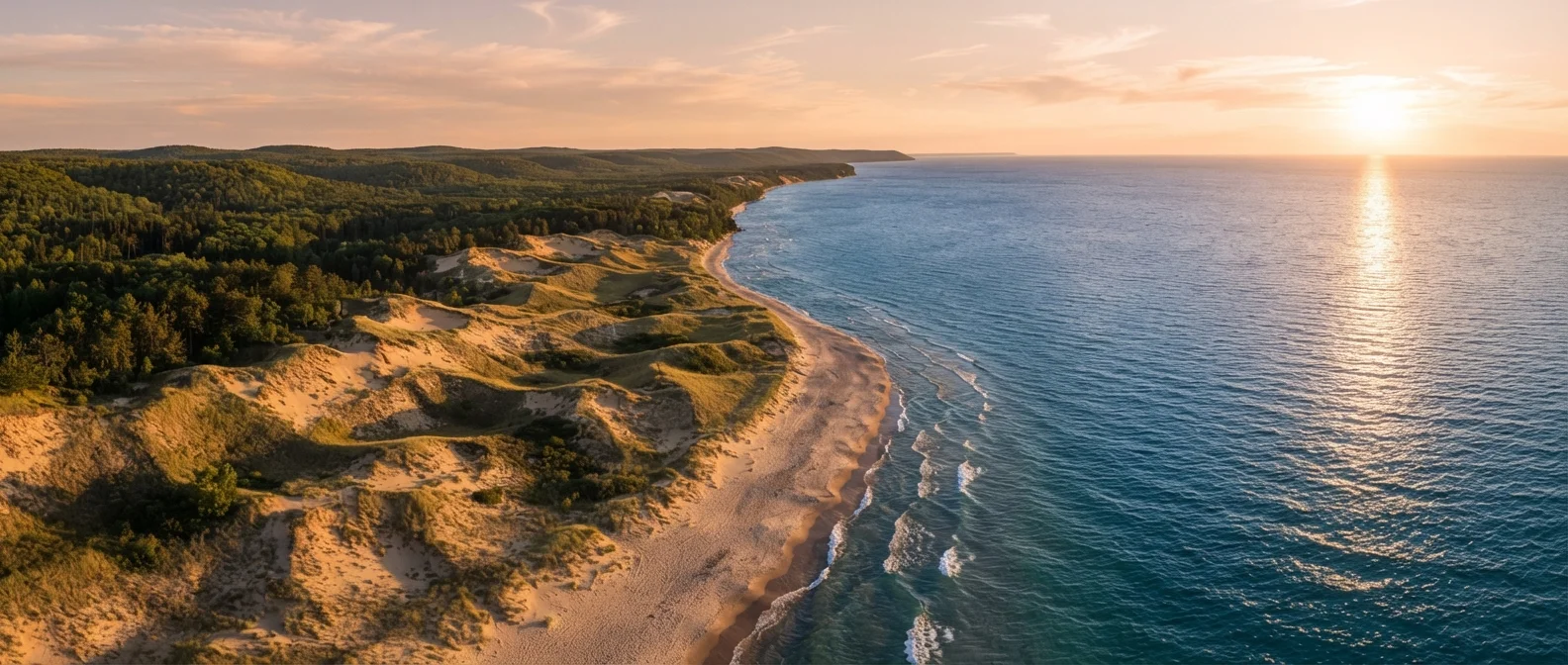
Photo: AscendWit.com | Explore Engaging Blogs. editorial
Key Takeaways
- The Great Lakes offer freshwater beaches and dunes that rival oceanside destinations without saltwater or tides.
- Mid-size cities like Milwaukee, Cleveland, and Detroit have reinvented themselves as cultural and culinary destinations.
- Summer draws the most visitors, but fall foliage and winter ice formations create distinct off-season appeal.
- The region is accessible by car for a large portion of the U.S. population, keeping travel costs relatively low.
- Each lake has a different character - comparing them helps travelers choose the right area for their interests.
Why Travelers Pass Over It - And Why That's Worth Reconsidering
For many U.S. travelers, vacation planning defaults to familiar categories: ocean beaches, national parks in the West, or European cities. The Great Lakes region doesn't fit neatly into any of those buckets, which helps explain why it's systematically skipped by travelers who would likely enjoy it.
The region also suffers from perception problems. States like Michigan, Ohio, Wisconsin, and Indiana don't carry the aspirational weight of coastal destinations in travel media, even though they contain landscapes - dramatic sand dunes, forested shorelines, island communities - that are genuinely uncommon elsewhere in the country.
If you've evaluated coastal Maine or the Florida Keys as waterfront options (two very different waterfront escapes), the Great Lakes offer a third type: calmer, fresher, and often significantly less expensive during peak season.
21%
Share of world's surface fresh water in the Great Lakes
According to the U.S. Environmental Protection Agency, the five lakes collectively hold about 21% of the world's surface fresh water - a scale that shapes the region's landscape and climate.
11,000+
Miles of Great Lakes coastline in the U.S.
The U.S. Army Corps of Engineers estimates the U.S. shoreline of the Great Lakes exceeds 11,000 miles, more than the Atlantic and Gulf coasts of the contiguous U.S. combined.
35 million
People within a day's drive of Lake Michigan
The geographic position of the lakes places a significant share of the U.S. and Canadian population within a single-day driving distance, making the region unusually accessible without air travel.
The Natural Case: Dunes, Forests, and Freshwater Coasts
Sleeping Bear Dunes National Lakeshore in Michigan rises up to 450 feet above Lake Michigan and stretches across 35 miles of shoreline. Indiana Dunes National Park - one of the country's newer national parks - sits just an hour from Chicago and receives millions of visitors who are often surprised by what they find. Pictured Rocks National Lakeshore on Lake Superior features sandstone cliffs, sea caves, and waterfalls that drop directly into the lake.
These are not minor attractions. They are large-scale natural environments that require real time to explore - more like national parks than day trips. For travelers interested in outdoor access without the elevation, crowds, or cost of western mountain destinations, the comparison is instructive. For context on how seasonal timing changes what mountain destinations offer, see our guide to seasonal trade-offs at mountain destinations.
Match the Lake to Your Travel Style
The Urban Case: Cities That Have Quietly Changed
Detroit, Cleveland, Milwaukee, and Buffalo spent decades defined by post-industrial decline. What's less discussed is the degree to which all four have developed distinct cultural identities since then - music venues, independent restaurant scenes, architecturally significant museums, and revitalized neighborhoods built in part because land and space are affordable in ways they simply aren't in coastal metros.
Detroit's Eastern Market district, Cleveland's West Side Market, and Milwaukee's Third Ward are each examples of urban food culture that doesn't require a large travel budget to access. These are cities that reward slow travel - places where spending three or four days yields more than a rushed itinerary would suggest.
“Travelers who write off the Midwest often discover, when they finally visit, that the region has been quietly building something worth seeing - food culture, architecture, arts scenes - while everyone else was looking elsewhere.”
— Patricia Schultz, Travel author, known for writing about underexplored domestic destinations
Seasonal Considerations: What Each Time of Year Actually Offers
Summer is the obvious entry point - beaches are accessible, water temperatures in the southern lakes reach comfortable swimming levels, and festivals and outdoor markets fill lakefront towns. But summer also brings the region's highest prices and most crowded parks.
Fall is arguably the most underrated window. The northern lake shores - particularly in Michigan's Upper Peninsula and Wisconsin's Door Peninsula - produce foliage that travels from green to orange-red by mid-October, often with significantly lighter visitor traffic. The concept of off-season travel is worth understanding clearly here: off-season doesn't always mean empty and cheap - but in the Great Lakes, fall genuinely delivers quieter conditions without sacrificing scenery.
Winter brings severe cold to much of the region, but also ice caves along Lake Superior accessible from the Apostle Islands, frozen waterfalls in Michigan's Upper Peninsula, and a set of small towns that cater specifically to winter visitors. Spring remains the least predictable season, with variable weather but lower accommodation costs.
Travel conditions, entry requirements, and park access change seasonally. Verify current information with the National Park Service, state tourism offices, and any relevant government sources before planning your trip.
Frequently Asked Questions
The content on this site is for informational purposes only and is not a substitute for professional advice. Always consult a qualified professional for guidance specific to your situation.