
Things First-Time Buyers Overlook When Touring a Home

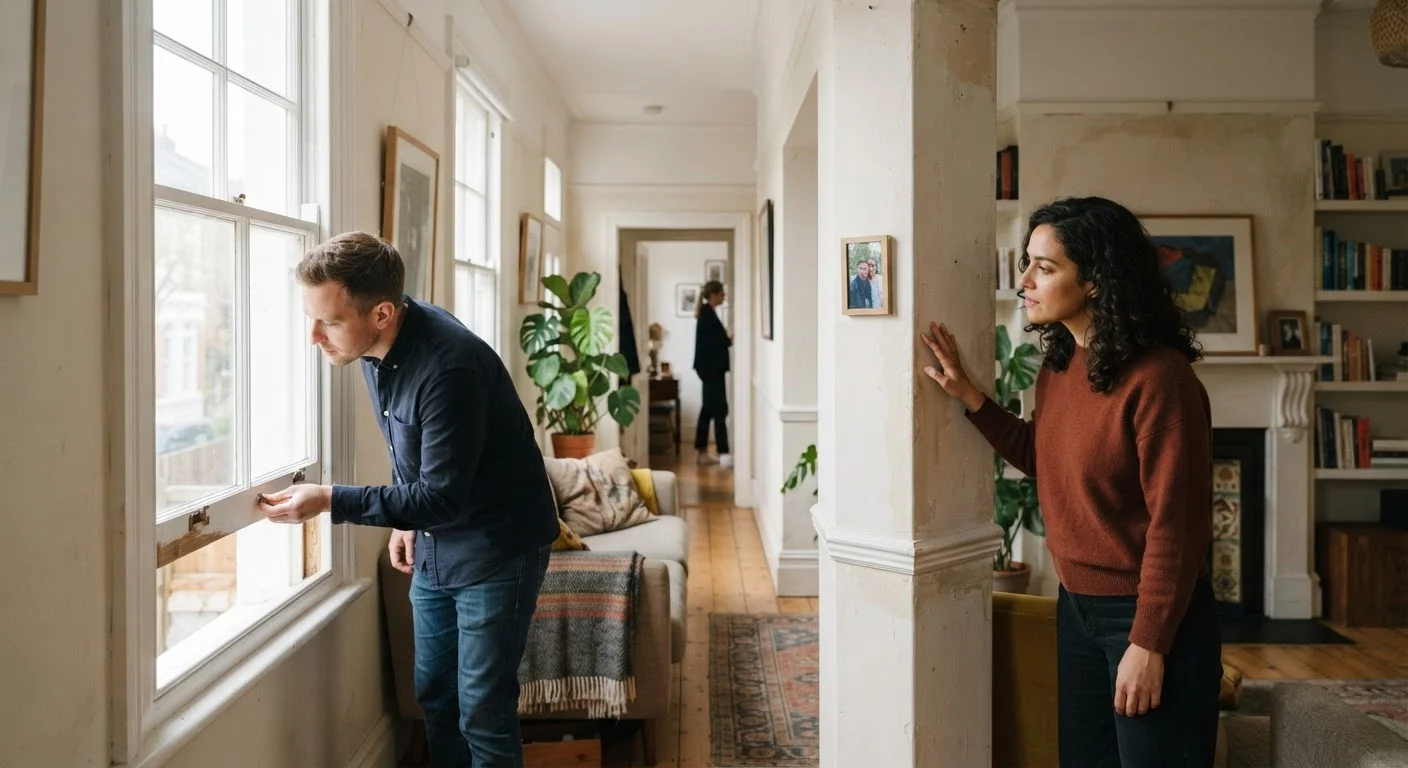
Photo: AscendWit.com | Explore Engaging Blogs. editorial
Key Takeaways
- Cosmetic appeal can mask serious structural, water, or mechanical problems that cost thousands to fix.
- Testing plumbing, electrical outlets, windows, and doors during a tour reveals issues photos never show.
- Neighborhood factors like noise, parking, and cell signal affect daily life as much as the home itself.
- A professional home inspection is essential - but your own observations during tours still matter.
- Asking targeted questions before making an offer saves time, money, and post-closing regret.
Why First-Time Buyers Miss the Details That Matter Most
Buying a home for the first time is an emotional experience, and that's part of the problem. When you walk into a space with good bones and stylish finishes, it's easy to start mentally arranging your furniture before you've looked at a single pipe or circuit breaker. This isn't a character flaw - it's a predictable response to how homes are presented and marketed.
But the features that make a home feel right during a 20-minute tour - open floor plan, updated kitchen, fresh paint - are often the least important factors in determining whether it's actually a sound purchase. The decisions that protect your investment happen when you slow down and look at the parts of a home that aren't designed to impress you.
This guide covers the specific oversights that trip up first-time buyers most often, why they happen, and what you can do differently on your next walkthrough. For a broader orientation to the buying process, see our comprehensive guide on navigating your first home purchase.
Don't Let Staging Distract You
The Overlooked Details: Common Tour Mistakes and How to Avoid Them
The following mistakes are organized around the most consequential oversights buyers make during home tours. Each one is correctable with a small shift in what you pay attention to - and when.
Ignoring water stains, musty odors, and moisture clues.
Skipping tests of plumbing, outlets, and fixtures during the walkthrough.
Overlooking the attic, basement, and crawl space entirely.
Failing to evaluate the neighborhood at different times of day.
Assuming all appliances, systems, and included items are in working order.
Not checking cell signal, internet availability, and natural light at different angles.
A Tour Is Not a Substitute for an Inspection
Before submitting any offer, it's also worth working through a structured pre-offer review. Our practical pre-offer checklist covers the financial and property research steps that complement what you observe during tours.
86%
Buyers who waived inspections and later regretted it
According to a survey by Cinch Home Services, a significant share of buyers who skipped or waived inspections reported unexpected repair costs after closing.
$4,000+
Average cost of a major electrical repair
The U.S. Department of Housing and Urban Development notes that electrical system failures are among the costlier post-purchase surprises for first-time homeowners.
Once you've closed and moved in, a new set of responsibilities begins. Our primer on home maintenance for first-time owners walks through the essential upkeep basics every new owner should understand from day one. And if real estate terminology has felt like a barrier during your search, our reference guide to real estate terms every first-time buyer should know can help.
The content on this site is for informational purposes only and is not a substitute for professional advice. Always consult a qualified professional for guidance specific to your situation.