
Renting vs. Owning: Who Is Responsible for Which Repairs?

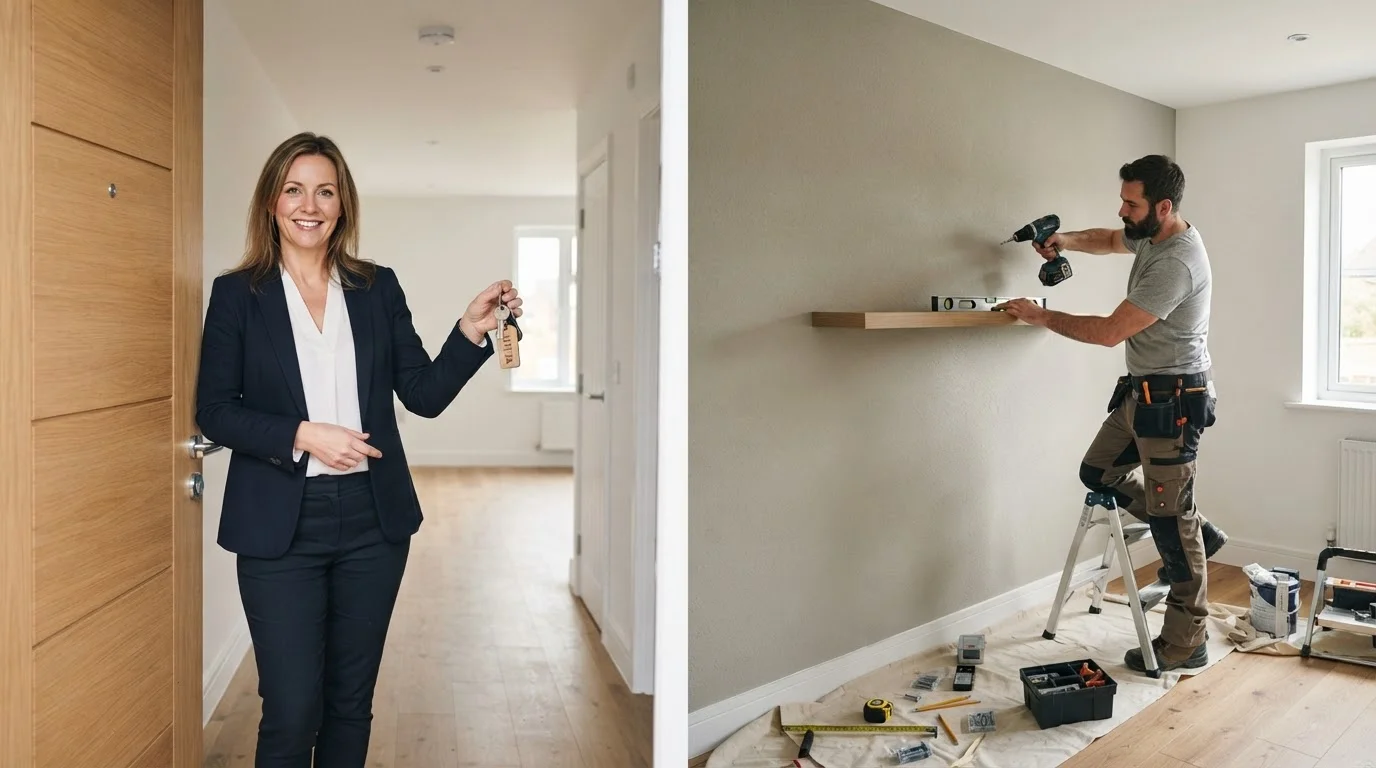
Photo: AscendWit.com | Explore Engaging Blogs. editorial
Key Takeaways
- Landlords are generally required by law to keep rental units safe, habitable, and in working order.
- Renters are typically responsible for minor upkeep, cleanliness, and damage they cause.
- Homeowners bear full responsibility for all maintenance, repairs, and system replacements.
- State and local laws vary significantly - always check your jurisdiction and your lease.
- Documenting issues in writing protects both renters and landlords if disputes arise.
- Understanding your role before a problem occurs prevents costly confusion later.
The Core Divide: Who Owns the Problem?
The most important principle in any renting vs. owning repair situation is simple: the party responsible for the property is generally responsible for its upkeep. For homeowners, that party is always themselves. For renters, responsibility is split - by law, by lease, and sometimes by common sense.
In the US, most states require landlords to maintain rental units in a habitable condition - meaning safe, structurally sound, and equipped with functioning essential services like heat, hot water, and weatherproofing. This legal standard is often called the implied warranty of habitability. It applies even if the lease says otherwise, because a lease cannot override basic tenant protections under state law.
Homeowners have no such safety net. Every leaking pipe, failing furnace, or cracked foundation is their financial and logistical responsibility. That full control comes with full accountability. For a broader look at how these financial trade-offs stack up, see the hidden costs of owning vs. renting.
| Criterion | Renters | Homeowners |
|---|---|---|
| Major systems (HVAC, plumbing, electrical) | Landlord's responsibility | Owner's full responsibility |
| Structural repairs (roof, walls, foundation) | Landlord's responsibility | Owner's full responsibility |
| Appliances included in lease | Landlord handles | Owner handles all |
| Minor upkeep (bulbs, filters, cleaning) | Tenant's responsibility | Owner's responsibility |
| Accidental damage by occupant | Tenant pays | Owner pays |
| Pest control | Usually landlord (if not tenant-caused) | Owner's responsibility |
| Renovation and upgrades | Requires landlord permission | Owner decides (permits may apply) |
| Legal habitability standard | Landlord legally obligated | No external obligation |
What Landlords Are Generally Required to Handle
While exact rules vary by state, landlords are typically obligated to address the following:
- Structural repairs - roof, walls, floors, windows, and doors that affect safety or weatherproofing
- Plumbing systems - maintaining running water, functioning toilets, and drainage
- Heating and cooling - ensuring the unit can be heated to a habitable temperature (cooling requirements vary by state)
- Electrical systems - safe wiring, functioning outlets, and code compliance
- Pest infestations - in most cases, if the infestation wasn't caused by the tenant
- Appliances included in the lease - refrigerators, stoves, or dishwashers listed as part of the rental
Landlords are generally not required to respond instantaneously - but most states set timelines for responding to urgent (habitability-threatening) versus non-urgent repairs. Always submit repair requests in writing to create a paper trail. To understand your full legal standing, review what landlords can and cannot legally do.
State Laws Vary Significantly
What Renters Are Responsible For
Being a renter doesn't mean zero maintenance duties. Tenants are generally expected to:
- Keep the unit clean and sanitary
- Dispose of trash properly to avoid infestations
- Replace minor consumables - light bulbs, batteries in smoke detectors, HVAC filters in some leases
- Report maintenance issues promptly to avoid worsening damage
- Pay for damage they or their guests cause beyond normal wear and tear
That last point matters. Normal wear and tear - small nail holes, minor scuffs, carpet worn from regular use - is generally the landlord's cost. But a broken window, a pet-scratched door, or water damage from an unreported leak could come out of your security deposit or result in additional charges.
Before signing, read your lease carefully for repair clauses - some agreements assign more maintenance duties to tenants than the legal minimum.
~44M
Renter-occupied housing units in the US
According to US Census Bureau data, approximately 44 million households in the US are renter-occupied, making landlord-tenant repair law relevant to a large share of the population.
1-2%
Annual home maintenance budget guideline
A commonly cited general rule suggests homeowners budget 1-2% of their home's purchase price per year for maintenance and repairs, though actual costs vary widely.
30 days
Typical non-emergency repair response window
Many states set a reasonable response deadline of around 30 days for non-urgent landlord repairs, though timelines for urgent habitability issues are often much shorter.
Homeowners: Full Responsibility, Full Authority
Owning a home means no landlord to call - ever. Every system, surface, and structure is yours to maintain. Common homeowner responsibilities include:
- Roof maintenance and replacement
- HVAC servicing and replacement (typically every 15-20 years for furnaces, 10-15 for central AC)
- Plumbing and electrical work - often requiring licensed professionals and permits
- Foundation and structural issues
- Exterior upkeep - gutters, siding, driveways, landscaping
- Appliance repair and replacement
Many homeowners budget 1-2% of their home's value annually for maintenance, though this figure is a general guideline and actual costs vary widely depending on the home's age, condition, and location. When a repair arises, the decision isn't whether to fix it - it's how. See our framework for deciding between DIY and hiring a professional to help make that call wisely.
Note that certain work - electrical panel upgrades, gas line repairs, structural modifications - requires licensed contractors and local permits in most jurisdictions. Always verify requirements with your local building department before starting significant work.
The content on this site is for informational purposes only and is not a substitute for professional advice. Always consult a qualified professional for guidance specific to your situation.