
Reading a Lease Agreement Without Getting Lost in the Fine Print

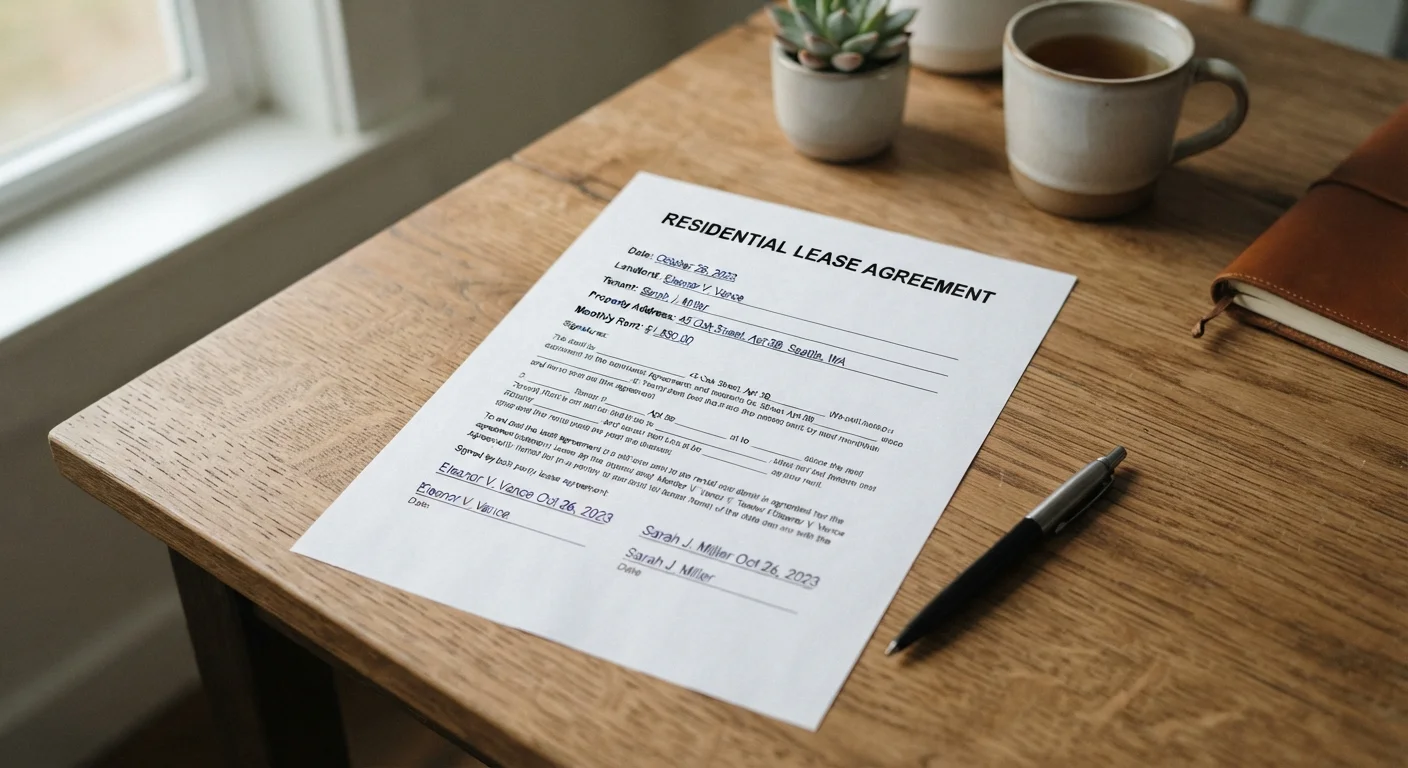
Photo: AscendWit.com | Explore Engaging Blogs. editorial
Key Takeaways
- A lease is a legally binding contract - every clause carries real consequences if overlooked.
- Key sections to review include rent terms, security deposit rules, maintenance duties, and lease-break conditions.
- Unclear or unusual clauses should always be questioned before you sign, not after.
- Tenant rights vary by state, so local law may affect what lease terms are actually enforceable.
- Taking written notes on verbal promises from landlords protects you if disputes arise later.
Why Lease Language Feels So Hard to Read
Lease agreements are written primarily to protect landlords and property owners from legal liability - not to be easy for renters to parse. As a result, they often blend plain instructions with dense legal phrasing, cross-references to state statutes, and defined terms that aren't always explained in context. For first-time renters especially, this can make the document feel overwhelming.
The good news: you don't need a law degree to understand your lease. You need a structured approach, patience, and a willingness to ask questions before you sign anything. This guide walks through that process step by step.
If you're still weighing whether renting is the right move for your situation, our comparison of renting vs. buying can help you think through the broader picture first. And if unfamiliar real estate terminology is slowing you down, the real estate glossary for first-time buyers and renters is a useful reference.
State Law Overrides Conflicting Lease Terms
What You'll Need Before You Start
Having the right materials on hand before you begin will make the review process more efficient and less stressful.
What you will need
Lease agreement copy
The primary document you will read through and annotate during this process.
Highlighter or digital annotation tool
Mark clauses that require clarification or seem unusual so you can revisit them easily.
State tenant rights resource
Your state attorney general's website or local housing authority explains which lease terms are legally enforceable in your area.
Legal aid or tenant advocacy service
Provides free or low-cost review of lease language for renters who need professional guidance.
Step-by-Step: How to Read Your Lease
Work through the following steps in order. Each one targets a specific layer of the lease that carries significant practical or financial consequences for renters.
Read the entire lease before focusing on details
Before diving into specific clauses, read the full document from start to finish - without stopping to analyze every sentence. This first pass gives you a sense of the overall structure, flags anything that feels unexpected, and prevents you from missing context buried in later sections. Note any sections that seem confusing or out of the ordinary.
Confirm the basic terms: names, dates, and address
Verify that the lease lists the correct legal names of all tenants and the landlord or property management company, the full property address (including unit number), and the precise start and end dates of the tenancy. Errors here can create legal ambiguity about who is party to the agreement.
Understand the rent amount and payment terms
Locate the clause specifying the monthly rent amount, the due date, and the grace period (if any) before late fees apply. Note the exact dollar amount of any late fee and how it compounds - some leases charge a flat fee; others add a daily rate. Also check whether rent increases during a lease term are permitted and under what conditions.
Review the security deposit clause thoroughly
The security deposit section should state the exact deposit amount, the conditions under which deductions can be made, and the legally required timeline for return after move-out. Most states set a maximum deposit amount (often one to two months' rent) and a mandatory return deadline. If the lease language is vague about what constitutes damage versus normal wear and tear, ask for written clarification.
Identify maintenance and repair responsibilities
The lease should specify who is responsible for routine maintenance tasks - lawn care, pest control, filter changes, appliance upkeep - and who handles structural or emergency repairs. Clarify the procedure for submitting repair requests and whether the landlord is required to respond within a defined timeframe. Many states have implied habitability laws that set minimum standards regardless of what the lease says.
Check the rules on subletting, guests, and alterations
Look for clauses covering subletting (renting your unit to another person), long-term guests, and physical changes to the unit such as painting, hanging shelves, or installing fixtures. Many leases require written landlord approval before any of these actions, and unauthorized subletting can be grounds for eviction. Note whether alterations must be reversed before move-out.
Understand the lease-break and early termination terms
Life circumstances change. Locate the clause that explains your options and costs if you need to end the lease before the agreed date. Some leases require a flat buyout fee; others require you to continue paying rent until a replacement tenant is found. Certain states allow early termination without penalty in specific circumstances - job relocation, domestic violence, or military deployment - regardless of what the lease says.
Ask about any clause you don't understand before signing
If any section is unclear, ask the landlord or property manager to explain it in plain language - and follow up with a written summary of what they told you. Never assume a clause won't be enforced because it seems unusual. If something feels legally complex or potentially unfair, consider having a tenant advocacy organization or housing attorney review the document. Legal aid services in many areas offer free or low-cost consultations for renters.
When in Doubt, Seek a Second Opinion
After You've Reviewed: What to Do Next
Once you've flagged questions and received satisfactory answers, confirm that the final signed lease matches the version you reviewed - including any written addenda. Keep a copy of the signed lease in a secure location for the full duration of your tenancy and for at least one year after you move out.
If disputes arise during the lease term, your written copy - alongside any dated maintenance requests, emails, and move-in documentation - forms your primary evidence. Understanding your rights under your lease is closely connected to understanding your broader legal protections as a tenant. Our guide to renter legal rights covers what landlords are and are not legally permitted to do, which can help you identify when something in your lease may not be enforceable.
Never Sign a Lease Under Time Pressure
This article provides general educational information about lease agreements and is not legal advice. Laws governing landlord-tenant relationships vary significantly by state and locality. Consult a qualified attorney or tenant advocacy organization for guidance specific to your situation.
The content on this site is for informational purposes only and is not a substitute for professional advice. Always consult a qualified professional for guidance specific to your situation.