
DIY vs. Hiring a Pro: Making the Call on Home Repairs

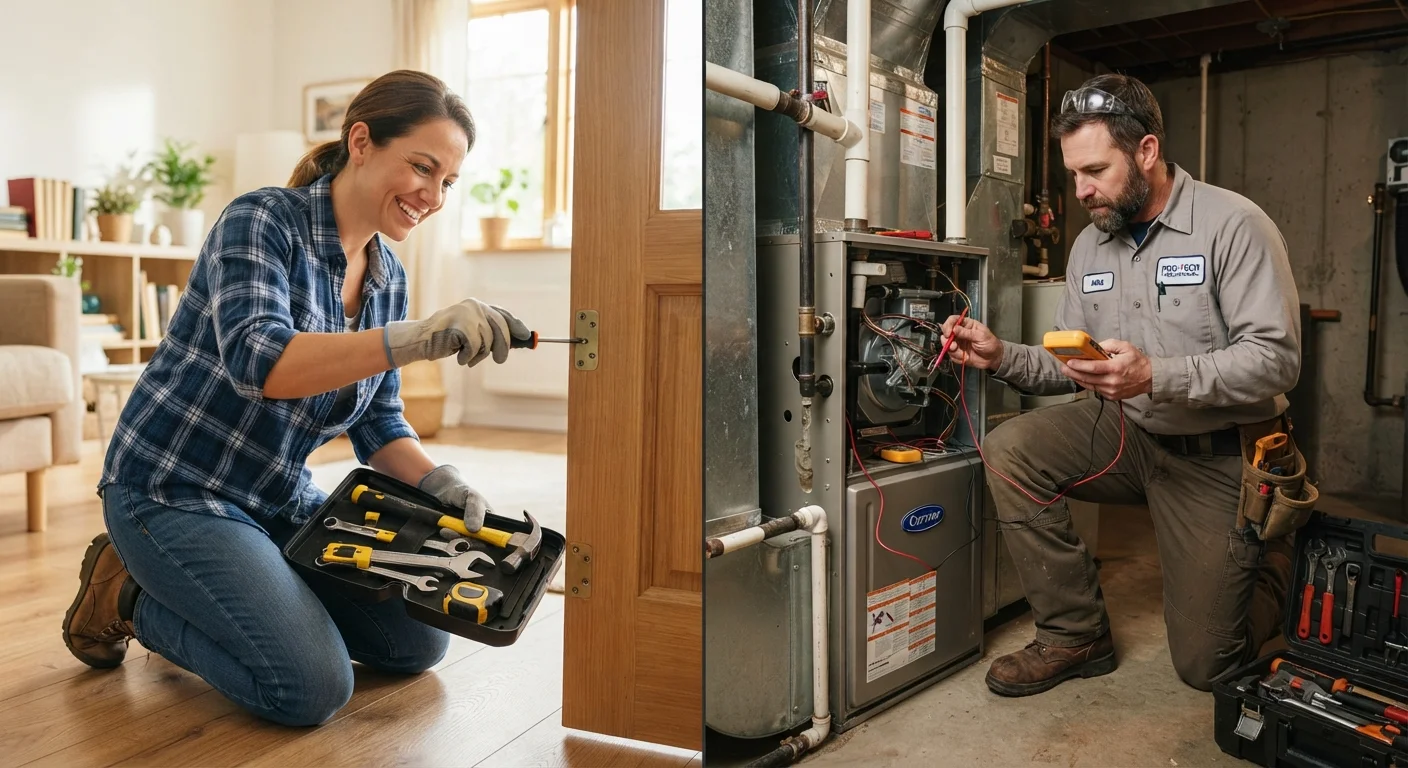
Photo: AscendWit.com | Explore Engaging Blogs. editorial
Key Takeaways
- Safety, permits, and complexity are the three primary factors in deciding DIY vs. hiring a pro.
- Electrical, gas, structural, and major plumbing work should almost always involve a licensed professional.
- DIY is generally suitable for cosmetic fixes, minor repairs, and low-risk maintenance tasks.
- A botched DIY job on a complex task can cost more to fix than hiring a pro from the start.
- Skipping professional work when it's required can void warranties, violate local codes, and create liability.
The Core Question: What's Actually at Stake?
Every home repair decision comes down to three interlocking factors: safety, skill requirement, and consequences of failure. A task that scores low on all three - say, patching a small drywall hole or replacing a light switch cover - is a reasonable DIY candidate. A task that scores high on even one of them deserves a closer look before you pick up the tools.
Ask yourself honestly: Could a mistake here injure someone, damage other systems in the home, or create a code violation that complicates a future sale? If the answer is yes, that's a strong signal to bring in a licensed professional. As our guide on deferred maintenance costs explains, skipping a small but critical fix - or doing it incorrectly - can compound into far larger expenses down the road.
Start With a Honest Skill Assessment
Tasks That Are Generally DIY-Friendly
Homeowners with basic mechanical aptitude and a modest toolkit can handle a wide range of maintenance tasks without professional help. These tend to be cosmetic, low-voltage, or reversible in nature:
- Painting interior walls and trim
- Caulking around tubs, sinks, and windows
- Replacing HVAC filters and cleaning dryer vents
- Installing or replacing cabinet hardware and door handles
- Patching small holes in drywall (not structural)
- Fixing running toilets or replacing faucet washers
- Weatherstripping doors and windows
The common thread: if something goes wrong, the fix is straightforward and the risk to your home or safety is minimal. DIY here saves money and builds useful skills - both worthwhile outcomes.
| DIY | Hiring a Pro | |
|---|---|---|
| Typical cost | Materials only | Labor + materials |
| Skill requirement | Low to moderate | Varies; often licensed |
| Permit required | Rarely (for basic tasks) | Often (for regulated work) |
| Risk of costly error | Low on simple tasks | Lower on complex tasks |
| Insurance/code compliance | May not apply | Usually ensures compliance |
| Time investment | Higher for homeowner | Minimal for homeowner |
When You Should Hire a Licensed Professional
Certain categories of work are regulated for good reason. In most jurisdictions, electrical panel work, gas line repairs, structural modifications, and significant plumbing changes require a permit and a licensed contractor. Skipping that step doesn't just risk a fine - it can void your homeowner's insurance, create liability if someone is injured, and cause problems when you eventually sell the property.
Here are tasks where professional involvement is strongly advisable:
- Electrical: Panel upgrades, new circuit installation, rewiring, outlet additions beyond simple replacements
- Gas: Any work on gas lines, connections, or appliances - always hire a licensed plumber or gas fitter
- Structural: Removing walls (load-bearing or not - it's hard to tell without expertise), foundation work, roof replacement
- Major plumbing: Anything connecting to main supply or drain lines, water heater installation
- HVAC installation: New system installation or significant duct modifications
Keep in mind that this framework applies to vehicle systems too - just as some car tasks are best left to a mechanic (see our piece on DIY car maintenance vs. taking it to a shop), the same principle holds for complex home systems.
Unpermitted Work Can Create Serious Problems
How to Evaluate Any Repair Task
When you're facing a repair and aren't sure which path to take, run through this four-question framework:
- Is it permitted work? Check your local building department's requirements. Many jurisdictions list common permit-required jobs online. If a permit is required, a licensed professional is almost always necessary to pull and fulfill it.
- Do I have the skills and tools? Be honest. Watching a tutorial video is not the same as having hands-on experience. Unfamiliar tools and tight spaces raise the error rate significantly.
- What's the cost of a mistake? A misapplied coat of paint is cheap to redo. A plumbing connection that leaks inside a wall is not. Weight the risk proportionally.
- Does it affect safety systems? Smoke detectors, carbon monoxide detectors, electrical grounding, and fire-rated materials exist for life-safety reasons. Don't compromise them to save money.
Planning ahead financially also matters. A home maintenance fund can help ensure professional repairs don't blindside your budget.
The content on this site is for informational purposes only and is not a substitute for professional advice. Always consult a qualified professional for guidance specific to your situation.