
How Compound Interest Works and Why Starting Early Changes Everything

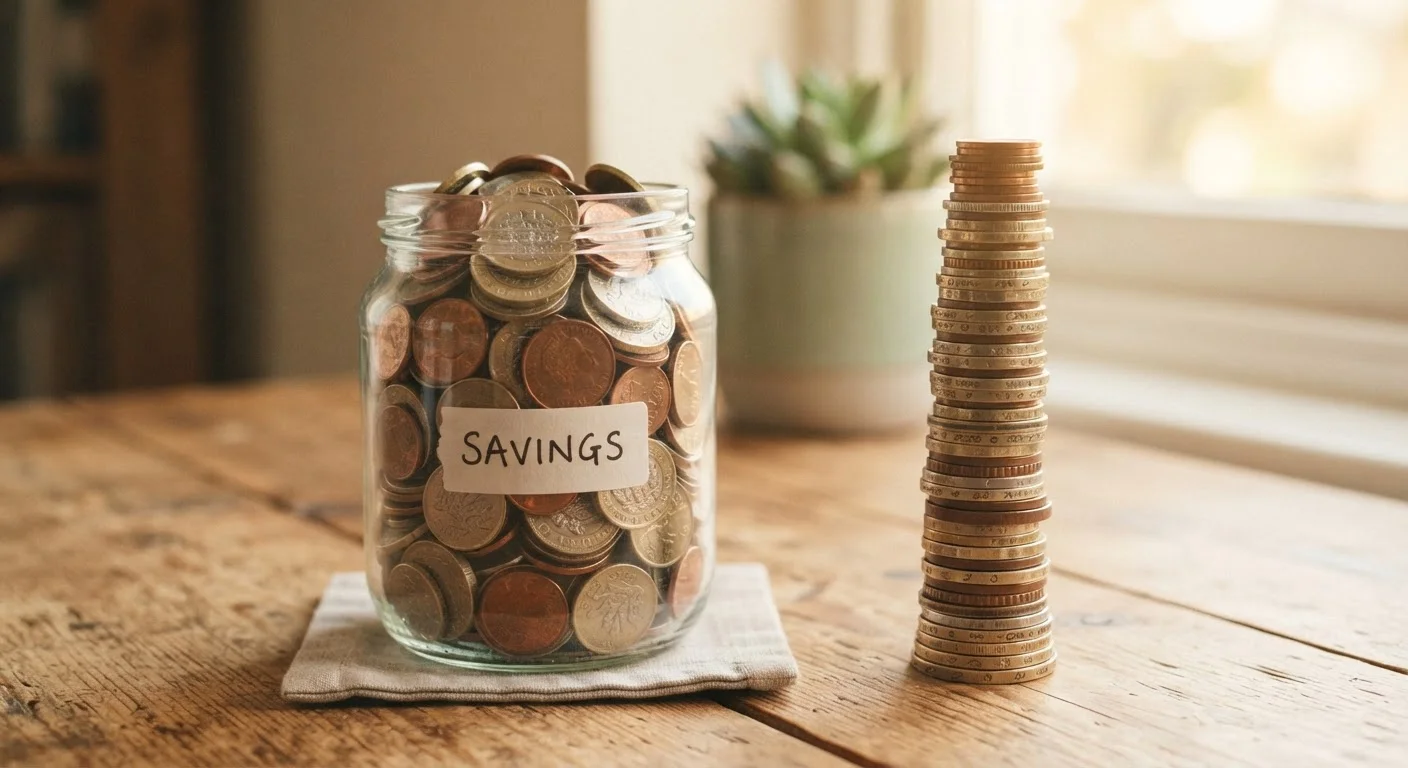
Photo: AscendWit.com | Explore Engaging Blogs. editorial
Key Takeaways
- Compound interest earns returns on both your principal and your previously earned interest.
- Starting earlier dramatically increases the total you accumulate, even with smaller contributions.
- Compounding works against you in debt scenarios, which is why high-interest balances grow quickly.
- Time in the market - not timing the market - is the most accessible advantage everyday savers have.
- Consistent, automated contributions amplify the power of compounding over decades.
The Basic Mechanics of Compounding
Imagine you deposit $1,000 into a savings account earning 5% annual interest. After one year, you've earned $50 - straightforward enough. But in year two, you don't earn 5% on your original $1,000. You earn 5% on $1,050. That extra $2.50 sounds trivial, but the same logic applied over 30 years creates a fundamentally different outcome than simple interest ever could.
This is compounding: your earnings become part of the base that generates future earnings. Each cycle - whether daily, monthly, or annually - adds a new layer of growth. The longer the timeline, the more dramatic the effect.
~$1,629
Value of $1,000 after 10 years at 5% compounded annually
Illustrates how compounding on a fixed principal alone adds nearly 63% over a decade without any additional contributions.
10+ years
Head start that maximizes compounding advantage
Financial educators widely cite beginning a decade earlier as one of the most impactful steps an individual saver can take.
365x
Daily vs. annual compounding frequency
Daily compounding applies the interest calculation every single day, producing marginally higher growth than annual compounding at the same rate.
It's worth noting that compounding works in both directions. When you save and invest, it works in your favor. When you carry high-interest debt, it works against you - interest charges pile on top of previous interest charges. Understanding this dual nature is essential for anyone building a financial plan. For a closer look at the debt side, see how minimum payments interact with compounding interest.
Why Time Is the Most Powerful Variable
Consider two savers. The first begins contributing $200 a month at age 25 and stops at age 35 - just 10 years of contributions. The second waits until age 35 and contributes the same $200 monthly all the way to age 65 - a full 30 years. Assuming identical returns, the early starter often ends up with a larger balance despite contributing far less money overall. That outcome surprises most people, but it illustrates a core truth about compounding: the earliest years produce the most powerful long-term growth.
Don't Wait for the 'Right' Amount to Start
This is sometimes called the "time value of money" - a dollar available today is worth more than a dollar available in the future, because today's dollar has more time to compound. Waiting even a few years to start saving can cost tens of thousands of dollars in future growth.
For those just beginning to think about their financial future, building a financial plan from scratch is a helpful next step after understanding compounding basics.
Putting Compounding to Work in Your Financial Life
Understanding the concept is one thing - actually using it requires consistent action. A few practical principles help translate the idea into results:
- Start as early as possible. Even modest contributions made in your 20s outperform larger contributions made later. Don't let "not having enough to invest" be a reason to delay.
- Contribute regularly. Compounding accelerates when you keep adding to the principal. Automating your savings removes friction and ensures consistency without requiring willpower each month.
- Reinvest earnings. In investment accounts, reinvesting dividends and returns rather than withdrawing them is what allows compounding to build on itself.
- Minimize high-interest debt. Debt compounds against you at rates that often far exceed what savings accounts return. Paying down high-interest balances is itself a form of compounding in reverse.
It's also worth understanding how inflation affects long-term savings - compounding grows your nominal balance, but purchasing power is a separate question. Inflation's effect on retirement savings is worth factoring into any long-horizon plan.
Compounding Rates Are Not Guaranteed
Finally, where you hold your savings matters. Short-term and long-term accounts serve different purposes, and matching your account type to your time horizon is part of making compounding work as effectively as possible.
This article is for general informational and educational purposes only and does not constitute personalized financial, investment, tax, or legal advice. Consult a licensed financial adviser before making decisions about your own financial situation.
Frequently Asked Questions
The content on this site is for informational purposes only and is not a substitute for professional advice. Always consult a qualified professional for guidance specific to your situation.