
Inflation and Long-Term Savings: What Everyday Savers Should Understand

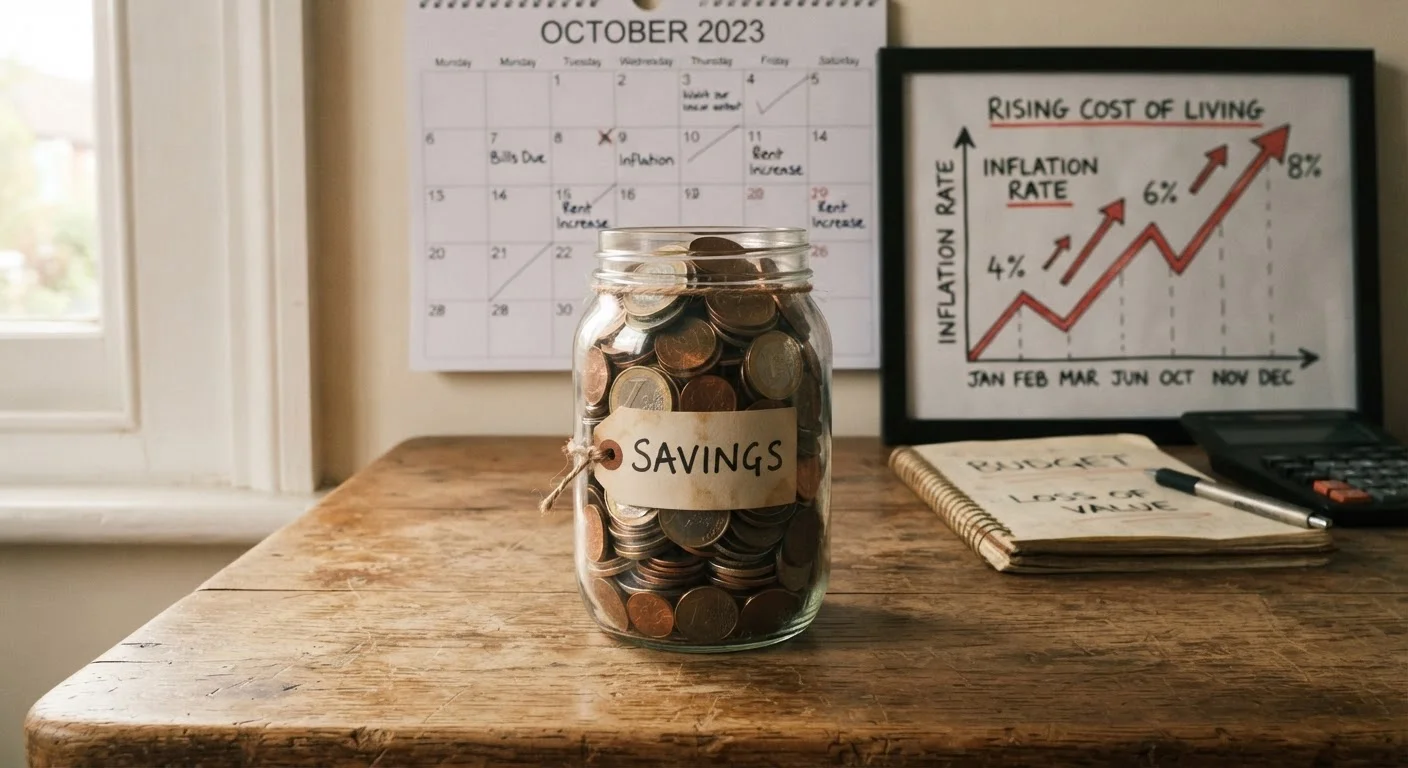
Photo: AscendWit.com | Explore Engaging Blogs. editorial
Key Takeaways
- Inflation reduces the real value of savings over time, even when the dollar balance grows.
- A savings account earning less than the inflation rate loses purchasing power in real terms.
- Retirement planning typically spans decades, making inflation one of the most significant long-term risks.
- Diversifying savings into growth-oriented vehicles is one general approach to addressing inflation risk.
- Compound growth, when working in your favor, can help offset the drag of inflation over time.
Why Inflation Is a Long-Term Saver's Concern
Most people understand that prices tend to rise over time. A grocery bill that cost $100 a decade ago often costs noticeably more today. What's less intuitive is how this same force quietly works against savings that aren't growing fast enough to keep up.
If your savings earn 1% interest per year but prices rise by 3% annually, you're effectively losing ground - your balance is higher in dollar terms, but it buys less. This gap between your nominal return (the stated rate) and real return (adjusted for inflation) is the core issue for long-term savers.
The effect compounds over time. Over 10, 20, or 30 years - the kind of timelines relevant to retirement planning - even modest annual inflation can dramatically reduce what a fixed sum of money will buy. This is one of the most commonly underestimated risks in long-term financial planning. See our guide to retirement preparation gaps for more on how inflation quietly derails savers.
~3%
Average US annual inflation over the past 30 years
The Federal Reserve Bank of Minneapolis tracks long-run CPI data showing average US inflation has hovered around 2.5-3% annually over multi-decade periods.
~50%
Purchasing power lost over 25 years at 3% inflation
At a sustained 3% annual inflation rate, the real purchasing power of a fixed dollar amount roughly halves over 25 years, illustrating the long-run impact on retirement savings.
10-20+ years
Typical retirement income horizon for US retirees
The Social Security Administration's actuarial data suggests many Americans can expect to spend a decade or more in retirement, making inflation a meaningful ongoing concern.
How Inflation Interacts With Different Savings Approaches
Not all savings vehicles respond to inflation the same way. A traditional savings account, while safe and accessible, typically earns a relatively low interest rate. When inflation runs higher than that rate, the account's real value declines over time. Understanding the difference between savings account types can help you evaluate which serves your needs best.
For longer time horizons, many financial planners suggest considering growth-oriented options - such as diversified investment accounts - that have historically offered returns that outpace inflation over extended periods. Importantly, these options also carry risk, including the possibility of losses, and are not appropriate for every financial goal or timeframe. Understanding the distinction between short-term savings and long-term investing is a useful foundation before making any changes.
Inflation Risk Is Not the Only Risk
The Role of Compound Growth in Keeping Pace
One of the most practical tools for addressing inflation over time is compound growth - the process by which your returns generate their own returns. When savings or investments compound over years, the effect accelerates in a way that can meaningfully offset inflation's drag.
The key variable is time. A dollar invested early has more time to compound than a dollar invested later, which is why financial planning guidance consistently emphasizes starting sooner rather than later. Our explainer on compound interest covers this in detail.
For practical everyday savers, this often means building consistent savings habits - whether through automated transfers or regular contributions to retirement accounts - and allowing time to do part of the work.
“Inflation is the one form of taxation that can be imposed without legislation. Long-term savers who ignore it are, in effect, accepting a guaranteed reduction in the real value of their wealth.”
— Milton Friedman, Nobel Prize-winning economist, University of Chicago
This article provides general financial education and is not personalized financial, investment, or tax advice. For guidance tailored to your situation, consult a qualified, licensed financial adviser.
Frequently Asked Questions
The content on this site is for informational purposes only and is not a substitute for professional advice. Always consult a qualified professional for guidance specific to your situation.