
Zero-Based Budgeting vs. the 50/30/20 Rule

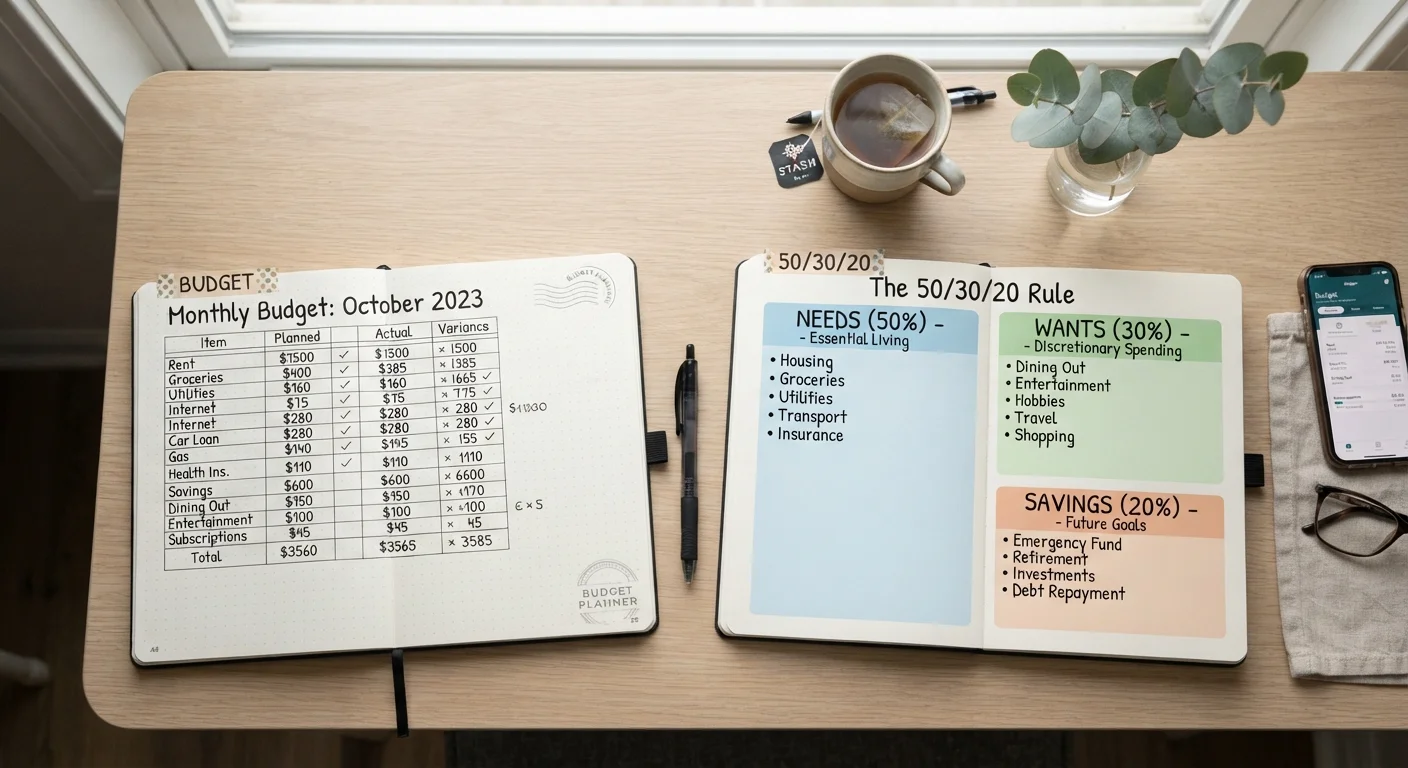
Photo: AscendWit.com | Explore Engaging Blogs. editorial
Key Takeaways
- Zero-based budgeting assigns every dollar a purpose, leaving a balance of zero at month's end.
- The 50/30/20 rule splits after-tax income into three broad categories: needs, wants, and savings.
- Zero-based budgeting requires more monthly effort but offers more granular spending control.
- The 50/30/20 rule is faster to set up and easier to maintain for budgeting beginners.
- Neither method guarantees financial outcomes - consistency matters more than the method chosen.
- Consulting a qualified financial adviser can help you choose the right approach for your situation.
How Each Method Actually Works
Before comparing the two, it helps to understand what each method asks you to do in practice.
Zero-based budgeting (ZBB) starts with your total monthly income and requires you to allocate every dollar to a specific category - housing, groceries, transportation, savings, debt repayment, and so on - until the difference between income and outgoing allocations equals zero. No dollar is left unassigned. You build the budget fresh each month, which means your plan reflects what's actually happening in your financial life right now, not a template from three months ago.
The 50/30/20 rule takes a different approach. You split your monthly after-tax income into three broad buckets: 50% toward needs (rent, utilities, groceries, insurance), 30% toward wants (dining out, entertainment, subscriptions), and 20% toward savings and debt repayment. The percentages stay constant; the categories are deliberately broad. For a deeper look at how the three buckets work, see our 50/30/20 rule explainer.
If you've never built any budget before, our plain-language first budget guide is a good place to start before choosing a method.
| Criterion | Zero-Based Budgeting | 50/30/20 Rule |
|---|---|---|
| Setup time | 30-60 min per month | Under 10 minutes |
| Category structure | Detailed, custom categories | Three broad buckets |
| Best income type | Variable or irregular income | Stable, predictable income |
| Spending visibility | High - every dollar tracked | Moderate - broad categories only |
| Beginner-friendliness | Steeper learning curve | Easy to learn and apply |
| Flexibility to life changes | Requires full monthly rebuild | Percentages adjust automatically |
| Debt payoff focus | Explicit - assigned its own line | Included in 20% savings bucket |
Time, Effort, and Flexibility
The most practical difference between the two methods is the ongoing time commitment they require.
Zero-based budgeting typically demands 30-60 minutes at the start of each month to rebuild the plan, plus regular check-ins throughout the month to track whether actual spending matches your allocations. This upfront effort is precisely what gives it power: you're making deliberate decisions about every category rather than letting spending drift.
The 50/30/20 rule, by contrast, can be set up in minutes. Once you know your monthly take-home pay, the math is straightforward. The tradeoff is that broad categories can mask where money is actually going. If your "wants" bucket is overspent, you may not immediately know which sub-category is the culprit.
~1 in 3
US adults who follow a formal budget
Surveys conducted by the National Financial Educators Council and similar organisations consistently find that a minority of US adults maintain a structured written budget.
20%
Income the 50/30/20 rule dedicates to savings and debt
The 50/30/20 rule allocates a fixed 20% of after-tax income to savings contributions and debt repayment combined.
Flexibility is another consideration. Zero-based budgeting adapts naturally to irregular income - freelancers, gig workers, or anyone with variable pay can reconfigure every category when a high-earning month arrives or a slow one hits. The 50/30/20 rule, being percentage-based, also scales with income mathematically, but it doesn't prompt you to rethink individual line items when circumstances change.
Where Each Method Can Fall Short
No budgeting method is perfect, and knowing the weaknesses of each can help you anticipate challenges before they derail your plan.
Zero-based budgeting pitfalls: The monthly rebuild requirement can feel exhausting over time, especially during busy or stressful periods. If you skip a month, the structure breaks down entirely. It can also be overly rigid - if an unexpected expense hits late in the month, reallocating categories requires revisiting the whole plan.
50/30/20 rule pitfalls: High cost-of-living areas can make the 50% needs cap unrealistic. If rent alone consumes 40% of take-home pay, there's little room for other needs. The "wants" category can also become a catch-all that disguises overspending. For a closer look at how debt repayment fits within the 50/30/20 framework specifically, see our article on the 50/30/20 rule and debt repayment.
Gross Pay vs. Net Pay Matters
Both methods assume you know your actual take-home income - a step that trips up many first-time budgeters who confuse gross pay with net pay. Always base your budget on the amount deposited to your account after taxes and deductions.
Curious about other budgeting structures? Our overview of budgeting approaches covers methods like pay-yourself-first and value-based budgeting with notes on who each tends to suit.
This article is for general informational and educational purposes only and does not constitute personalised financial advice. Consult a qualified financial adviser to determine the approach best suited to your individual circumstances.
The content on this site is for informational purposes only and is not a substitute for professional advice. Always consult a qualified professional for guidance specific to your situation.