
Your First Budget: A Plain-Language Starting Point

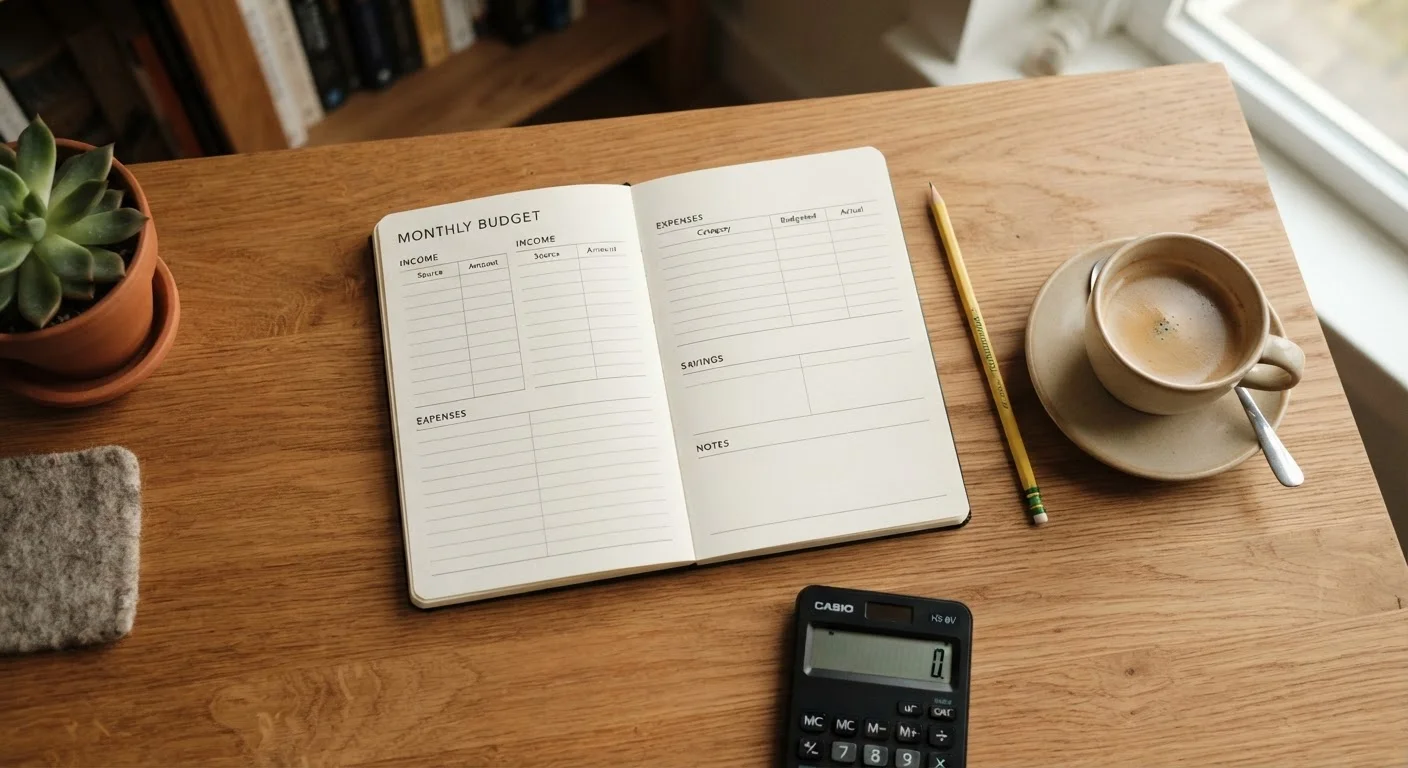
Photo: AscendWit.com | Explore Engaging Blogs. editorial
Key Takeaways
- A budget is simply a written plan that matches your income to your spending.
- Start with take-home pay, not gross salary - that's the money you can actually spend.
- Expenses fall into two categories: fixed (same every month) and variable (changes month to month).
- The 50/30/20 rule is a simple framework: 50% needs, 30% wants, 20% savings and debt.
- Reviewing your budget monthly keeps it accurate and useful as life changes.
- A budget doesn't have to be perfect - a rough first draft beats no plan at all.
What a Budget Actually Is
A budget is a written plan that shows how you intend to use your money over a set period - usually one month. That's it. It doesn't require special software, a finance degree, or a certain income level. At its core, a budget answers one question: does the money coming in cover the money going out?
Budgets matter because spending without a plan tends to leave people uncertain about where their money went. A simple plan, even an imperfect one, gives you a concrete starting point. For a deeper look at the vocabulary you'll encounter as you build financial habits, see the plain-language glossary of budgeting terms.
Take-home pay
The amount you receive after taxes and other deductions are removed from your paycheck. This is what you actually have available to spend or save.
Fixed expense
A cost that stays the same every month, such as rent or a car loan payment. These are easy to plan for because the amount doesn't change.
Variable expense
A cost that changes from month to month, like groceries or gas. Variable expenses are where most budgeting flexibility exists.
Net income
Another term for take-home pay - your earnings after all deductions. It's the number you should use as the starting point of any budget.
Discretionary spending
Money spent on non-essential wants, such as dining out, entertainment, or hobbies. These are the categories most people adjust first when trying to save more.
50/30/20 rule
A simple budgeting guideline suggesting you split take-home pay into roughly 50% for needs, 30% for wants, and 20% for savings and debt repayment.
Step 1: Add Up Your Income
Begin with your take-home pay - the amount deposited in your bank account after taxes and any deductions. This is what you actually have to spend, not the larger gross figure on your offer letter.
List every reliable income source: your primary job, a part-time position, freelance work, or any regular government benefit. If your income varies month to month, use a conservative estimate - your lowest recent paycheck is a safer baseline than your highest.
Use Your Real Take-Home Number
Step 2: List Your Expenses
Next, write down everything you spend money on. It helps to split expenses into two groups:
- Fixed expenses - costs that stay the same each month, such as rent, a car payment, or a loan installment.
- Variable expenses - costs that shift, like groceries, gas, dining out, and clothing.
To catch variable expenses you might overlook, review two or three months of bank and credit card statements. Total up each category. Many people are surprised to find small recurring charges - streaming subscriptions, app fees - that add up quietly.
Don't forget irregular expenses that don't hit every month: annual insurance premiums, car registration, or holiday gifts. Divide their annual cost by 12 and include that monthly slice in your plan.
Step 3: Set Spending Limits
Now compare your total income to your total expenses. If expenses exceed income, you need to reduce spending in at least one category. If income exceeds expenses, you have room to direct money toward savings or debt repayment - a meaningful financial advantage.
Set a realistic limit for each spending category. Realistic matters: if you've been spending $400 a month on groceries, a sudden limit of $150 will almost certainly fail. Gradual reductions are more sustainable than dramatic cuts.
Avoid Cutting Too Aggressively at First
For guidance on what to do with leftover money - whether to save it or apply it to debt - the introduction to savings and debt basics offers a clear foundation.
Choosing a Budgeting Method
Several frameworks can structure a first budget. One common starting point is the 50/30/20 rule: allocate roughly 50% of take-home pay to needs (housing, utilities, food, transportation), 30% to wants (dining out, entertainment, hobbies), and 20% to savings and debt repayment. These proportions are guidelines, not rigid rules - adjust them to reflect your actual circumstances.
Another approach is zero-based budgeting, where you assign every dollar of income a specific job until your income minus your planned expenses equals zero. This method requires more detail but leaves no money unaccounted for.
A simpler variation is the pay-yourself-first method: transfer a set savings amount as soon as you're paid, then budget the remainder for expenses. This makes saving automatic rather than optional.
Once you're comfortable with the basics, the complete household budgeting framework can help you refine your approach for a full household.
Keeping Your Budget on Track
A budget only helps if you use it. Set aside time once a month - even 15 minutes - to compare what you planned to what you actually spent. Note any categories that went over, and ask why: was it a one-time event or a recurring pattern?
Adjust your budget whenever your situation changes significantly: a new job, a rent increase, or a paid-off debt. A budget that reflects reality is far more useful than one that was accurate six months ago.
Building a budget is one piece of a larger financial picture. When you're ready to think further ahead, the guide on building a long-term financial plan from zero walks through setting goals and prioritizing next steps.
This article is for general informational and educational purposes only and does not constitute personalized financial advice. For guidance specific to your circumstances, consider consulting a qualified financial professional.
Frequently Asked Questions
The content on this site is for informational purposes only and is not a substitute for professional advice. Always consult a qualified professional for guidance specific to your situation.