
The 50/30/20 Rule Explained

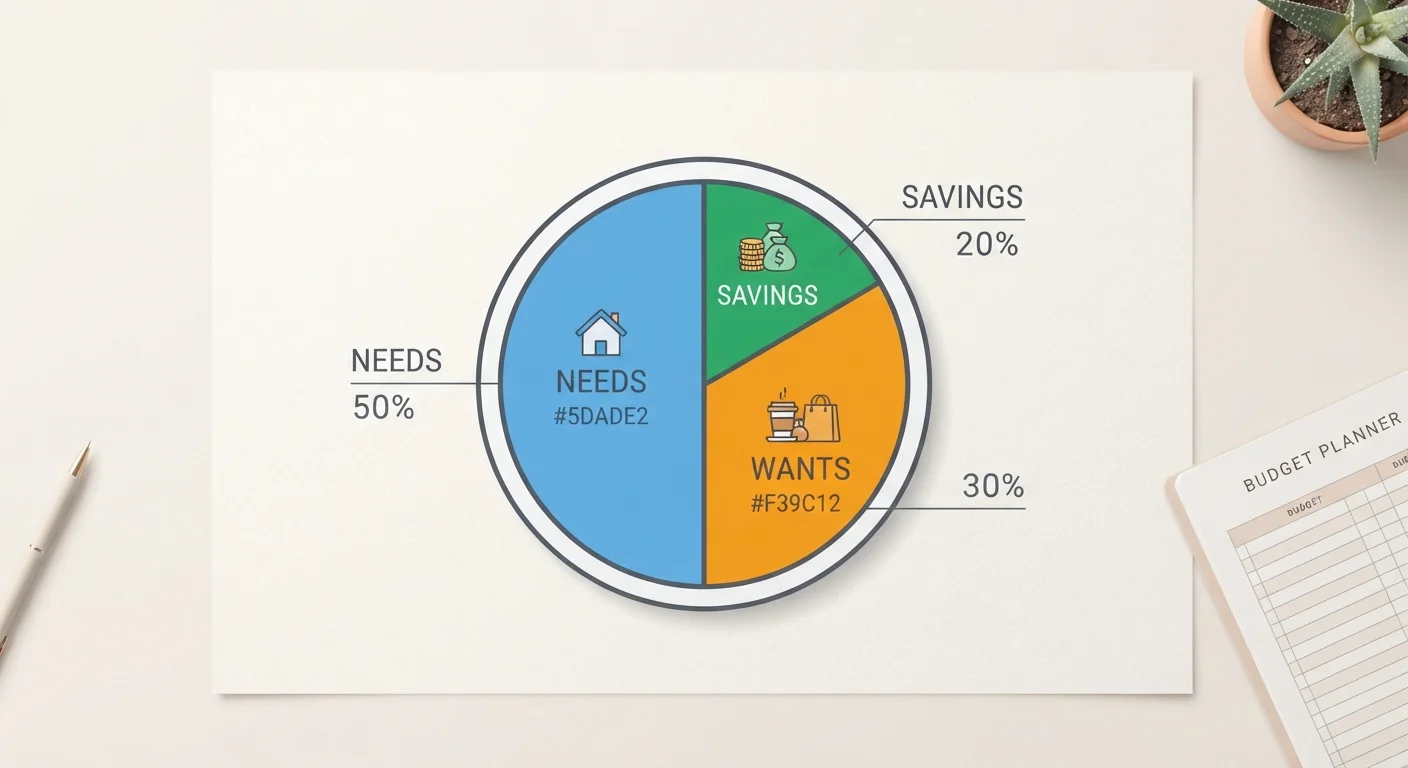
Photo: AscendWit.com | Explore Engaging Blogs. editorial
Key Takeaways
- The 50/30/20 rule allocates after-tax income to needs, wants, and savings in fixed proportions.
- "Needs" are non-negotiable expenses; "wants" are lifestyle choices you could reduce if necessary.
- The 20% savings category can include emergency funds, retirement contributions, and debt payoff.
- The rule is a guideline, not a rigid requirement - it may need adjusting for high-cost cities or variable income.
- Consulting a licensed financial adviser can help you tailor any budgeting framework to your situation.
Where the 50/30/20 Rule Comes From
The 50/30/20 framework was popularized by Senator Elizabeth Warren and her daughter Amelia Warren Tyagi in their 2005 book All Your Worth: The Ultimate Lifetime Money Plan. The core argument was that financial security doesn't require complex spreadsheets - it requires getting your big spending categories into a healthy ratio. The rule has since become one of the most widely referenced personal budgeting guidelines in the United States.
It's worth noting that the rule is meant as a flexible guide, not a financial prescription. Your specific numbers will vary based on income, location, family size, and goals. This article is general financial education and is not a substitute for personalized advice from a licensed financial professional.
“The 50/30/20 rule isn't about perfection - it's about getting your big spending categories into a rough balance so that you're living well today while building security for tomorrow.”
— Elizabeth Warren, U.S. Senator and co-author of All Your Worth: The Ultimate Lifetime Money Plan
Breaking Down Each Category
50% - Needs
Needs are expenses that are essential and largely unavoidable. Common examples include rent or mortgage payments, basic groceries, utilities, health insurance premiums, transportation to work, and minimum payments on existing debts. If cutting the expense would create a serious hardship, it likely belongs here.
30% - Wants
Wants are spending choices that improve your quality of life but aren't strictly necessary for survival. Dining out, streaming subscriptions, gym memberships, hobbies, and vacations all fall into this category. These are the expenses you have the most control over when money gets tight.
20% - Savings and Debt Repayment
This bucket is your financial future. It typically covers contributions to an emergency fund, retirement accounts such as a 401(k) or IRA, and extra payments on debt beyond the required minimum. The order in which you prioritize these depends on your situation - for guidance on that, see how to prioritize multiple savings goals.
~35%
Average share of income spent on housing by US renters
According to U.S. Census Bureau data, many renter households spend well above the 30% housing cost-burden threshold, making the 50% needs target difficult to meet in practice.
57%
Americans who do not follow a budget
A Gallup survey found that a majority of US adults do not maintain a detailed household budget, underscoring the appeal of simple frameworks like the 50/30/20 rule.
When the Rule Works - and When It Doesn't
The 50/30/20 rule works best for people with stable, moderate-to-middle incomes who want a simple framework without detailed expense tracking. It's accessible because it requires only three numbers and can be set up in minutes.
However, the rule has real limitations. In cities with very high housing costs, rent alone may consume 40-50% of take-home pay, leaving little room for other needs. In those situations, the 50% threshold is less a target and more a benchmark that reveals a structural budget problem. Similarly, households carrying heavy debt loads may need to redirect more than 20% toward repayment to make meaningful progress. For more on how debt fits into this framework, see where debt repayment fits in the 50/30/20 budget.
Start With Your Take-Home Pay
The rule also doesn't account for income volatility. Freelancers and gig workers may find a percentage-based model works better in some months than others. In those cases, treating the percentages as directional targets rather than hard ceilings is a more practical approach.
If you want to understand how your overall debt load compares to your income, signs your debt-to-income ratio may be working against you offers a useful complement to this framework. And for a longer-term view, financial planning milestones by decade can help you see where the 50/30/20 rule fits into your bigger financial picture.
This article is for general informational and educational purposes only and does not constitute personalized financial, tax, or legal advice. Consult a qualified financial adviser before making decisions based on your specific circumstances.
Frequently Asked Questions
The content on this site is for informational purposes only and is not a substitute for professional advice. Always consult a qualified professional for guidance specific to your situation.