
Budgeting Approaches Worth Knowing Beyond the Popular Ones

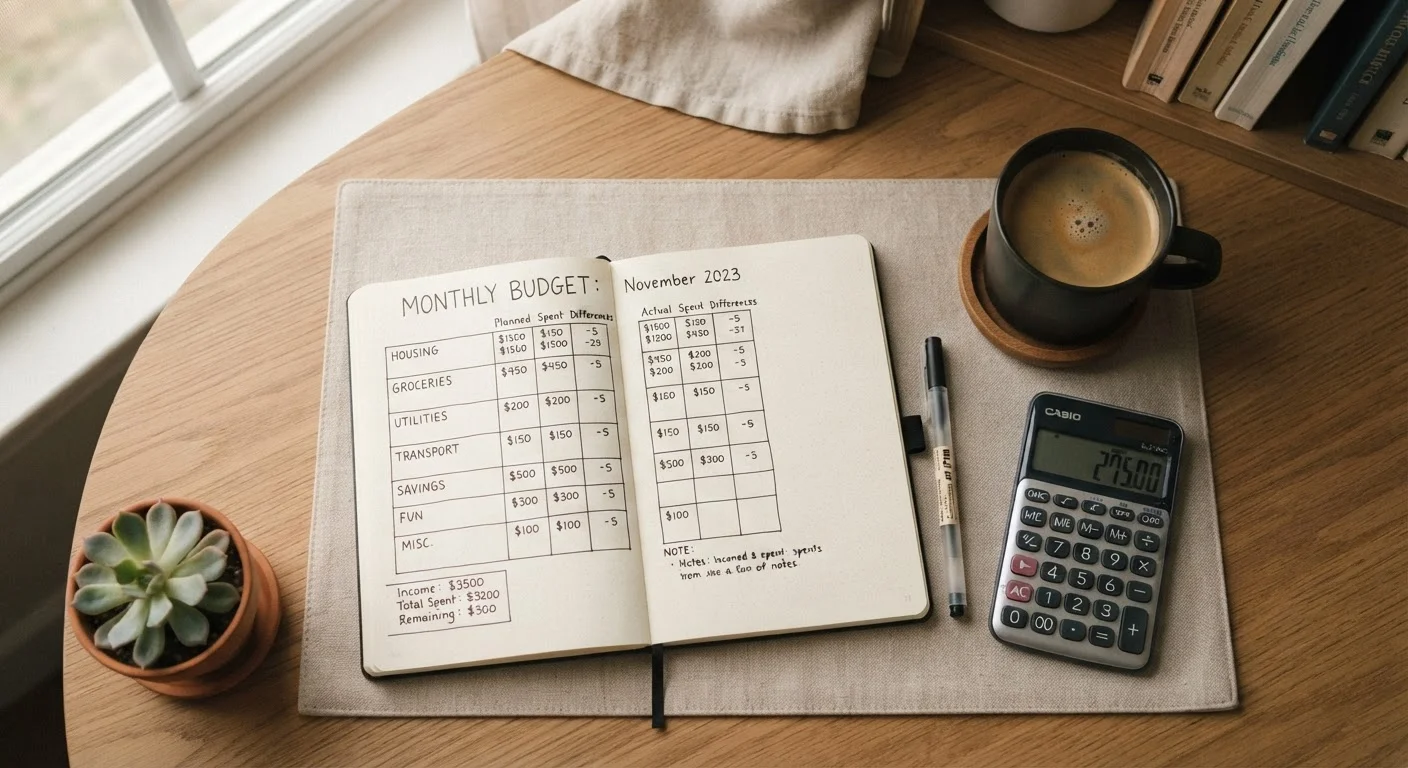
Photo: AscendWit.com | Explore Engaging Blogs. editorial
Key Takeaways
- No single budgeting method works for every household - matching the method to your habits matters most.
- Lesser-known approaches like pay-yourself-first and value-based budgeting can outperform popular frameworks for many people.
- Irregular earners, visual thinkers, and goal-focused savers each benefit from different structures.
- The best budget is one you review regularly and adjust as your life changes.
Why Go Beyond the Usual Methods?
Most budgeting conversations start and end with the 50/30/20 rule or zero-based budgeting. Both are legitimate frameworks - you can see how they compare for real households - but they don't fit everyone's life. A freelancer with lumpy income, a visual thinker who needs to see money physically, or someone whose spending is driven by values rather than categories may find those standard templates frustrating rather than freeing.
The methods below are less frequently discussed but grounded in sound personal finance principles. Each comes with an honest note on who it tends to suit - and where it may fall short. If you're new to budgeting vocabulary, our plain-language glossary is a useful companion before diving in.
Hybrid Approaches Are Common
Six Budgeting Approaches to Consider
Pay-Yourself-First Budgeting
Rather than saving whatever is left at month's end, this method moves a set amount into savings or an investment account immediately after each paycheck arrives. Day-to-day spending is funded by whatever remains. The logic is behavioral: money that never enters your checking account is money you're less likely to spend.
Best for: People who find it hard to save consistently but can manage their spending loosely once savings are secured. Works well alongside long-term financial goals like emergency funds or retirement contributions.
Limitation: Requires enough income cushion to cover variable expenses after the savings transfer. May need adjustment during months with irregular costs.
Money moved to savings first is money you're far less likely to spend.
Value-Based Budgeting
This approach asks you to rank your spending priorities by personal importance before assigning any dollars. Once you've identified what you genuinely value - travel, home cooking, education, experiences - you allocate generously there and cut aggressively in areas that don't reflect those values. It's less about categories and more about intentionality.
Best for: People who feel their spending doesn't reflect their actual priorities, or who are motivated by meaning rather than rules. It pairs naturally with addressing the myths that stop people from budgeting at all.
Limitation: Requires honest self-reflection and regular check-ins. Less structured than category-based systems, which can let spending drift.
Spending that reflects your actual values tends to feel less like sacrifice.
The Cash Envelope System
Physical cash is divided into labeled envelopes - groceries, dining, transportation, entertainment - at the start of each pay period. When an envelope is empty, that category is done for the month. The tangible nature of cash creates a psychological friction that digital spending often lacks.
Best for: People who overspend in specific categories and want a concrete, visual limit. Also useful for those who find app-based tracking abstract or easy to ignore. For those weighing digital versus manual tracking, tracking spending by hand vs. using an app covers that trade-off directly.
Limitation: Logistically awkward in an increasingly cashless economy; doesn't accommodate online purchases or automatic bill payments easily.
When the envelope is empty, the limit is undeniable - no creative accounting possible.
The Anti-Budget
A simplified cousin of pay-yourself-first: automate all savings and fixed bills, then spend freely from what's left without tracking categories. The idea is to eliminate the mental overhead of a traditional budget while still protecting savings and essential obligations.
Best for: Higher earners or those whose variable spending is naturally modest relative to income. Also suits people who find detailed tracking unsustainable over time.
Limitation: Demands reliable automation setup and enough income that free-spending the remainder doesn't create shortfalls. Not well-suited to tight income margins or active debt repayment situations.
Automating savings first removes the need for willpower every single month.
Reverse Budgeting by Goal
Start with a specific financial target - a down payment, debt payoff, or three-month emergency fund - then work backward to determine how much must be set aside per month to reach it on a defined timeline. Everything else in the budget is organized around that primary number.
Best for: Highly goal-oriented individuals who find abstract savings habits easier to maintain when tied to a concrete milestone. Works well alongside the complete household budgeting framework.
Limitation: Can feel deflating if progress is slow or a financial setback delays the goal. Requires periodic recalibration when life circumstances shift.
A concrete goal gives every dollar a sense of purpose and forward direction.
The Biweekly Budget
Instead of a monthly budget, income and expenses are planned on a two-week cycle aligned to paycheck frequency. Recurring bills are assigned to the paycheck that arrives closest to their due date, and discretionary spending is divided across both pay periods. This method is particularly useful when monthly budgeting creates cash-flow crunches mid-month.
Best for: Households paid biweekly - especially those who notice money running out before the next paycheck. Also a natural fit for anyone with irregular monthly rhythms.
Limitation: Requires careful mapping of bill due dates to pay periods and more frequent check-ins than a monthly review schedule.
Aligning your budget cycle to your paycheck removes unnecessary guesswork mid-month.
Try One Method for a Full Month
Choosing What Actually Works for You
The goal isn't to adopt the most sophisticated system - it's to build a habit you can sustain. Research in behavioral economics consistently shows that simplicity improves follow-through. If a method feels like punishment, it probably won't last long enough to produce results. See habits that help budgets hold up over time for practical ways to stay consistent once you've chosen a framework.
It also helps to understand your expense structure before you commit. Knowing which costs are fixed and which flex from month to month shapes how much tracking you actually need - a guide to fixed vs. variable expenses can clarify that quickly. And if your income varies, budgeting on an irregular income walks through strategies built specifically for unpredictable pay.
This article is for general informational and educational purposes only. It does not constitute personalized financial advice. For guidance tailored to your specific situation, consider consulting a licensed financial professional.
The content on this site is for informational purposes only and is not a substitute for professional advice. Always consult a qualified professional for guidance specific to your situation.