
Beauty Essentials

Before You Try a New Active Ingredient: A Practical Checklist

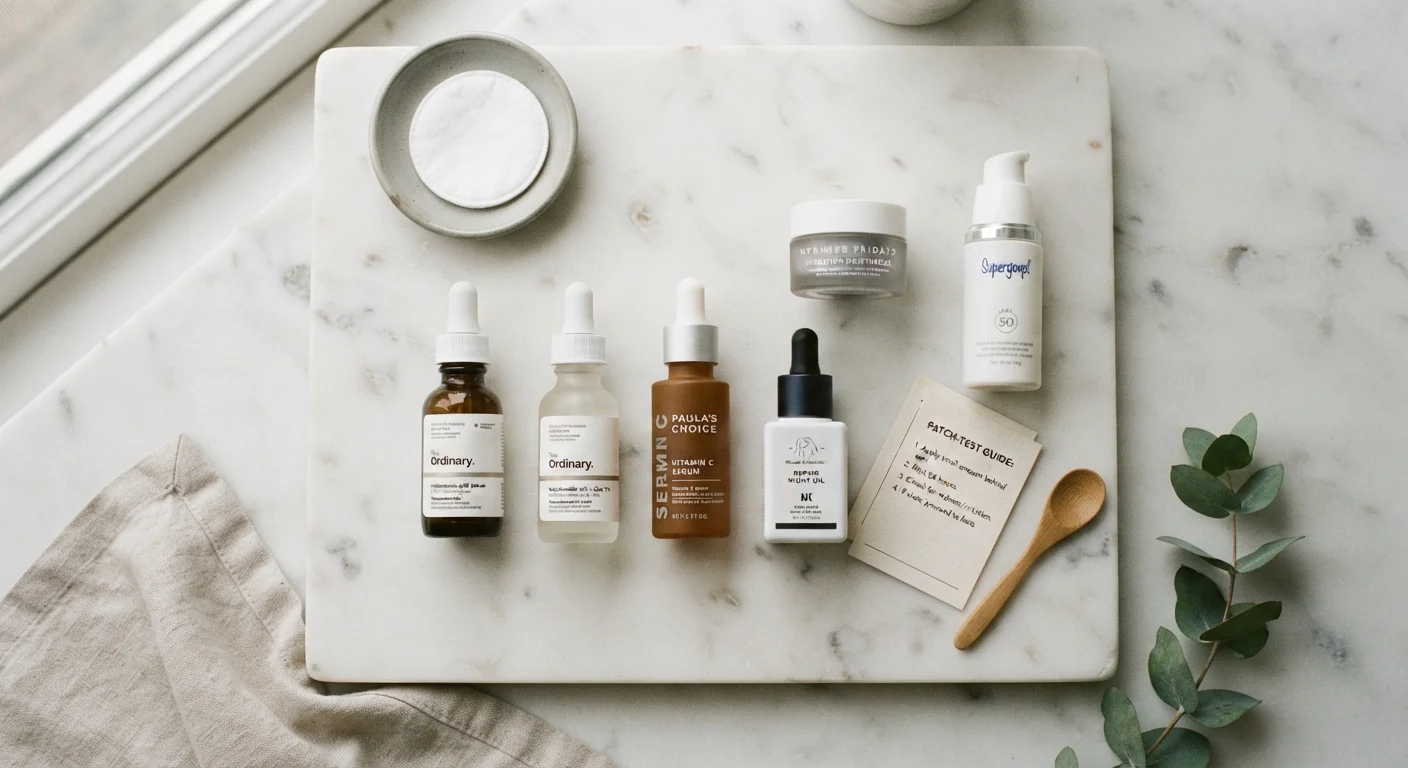
Before You Try a New Active Ingredient: A Practical Checklist

Photo: AscendWit.com | Explore Engaging Blogs. editorial

Retinoids, AHAs, vitamin C—actives can be transformative or irritating. Use this checklist to introduce them safely and track what's working.

Key Takeaways

  • Patch testing before full application helps identify reactions before they spread.
  • Introducing one new active at a time makes it easier to pinpoint what's causing a reaction.
  • Some actives—like retinoids and AHAs—require extra sun protection during use.
  • Keeping a simple skin log helps you track progress and catch issues early.
  • Certain ingredient combinations can cause irritation and are better kept separate.

Why a Checklist Makes Sense Here

Active ingredients—retinoids, AHAs (alpha-hydroxy acids), BHAs (beta-hydroxy acids), vitamin C, niacinamide, peptides—are the workhorses of modern skincare. They can address everything from uneven tone to fine lines and congested pores. But because they're potent, they're also the most common source of skin irritation, breakouts, and confusion about what's actually working.

The good news: most problems with actives are avoidable. A little preparation goes a long way. This checklist walks you through what to do before you open that new serum, how to introduce it carefully, and what to watch for afterward. Think of it as a practical framework you can return to each time you add something new to your routine.

If you're still figuring out the basics of a daily routine, our guide to what each skincare step actually does is a good place to start before layering in actives.

Don't Stack Multiple New Actives at Once

It can be tempting to overhaul your routine all at once, but adding several actives at the same time makes it nearly impossible to know what's helping or causing irritation. Give each new ingredient at least four weeks of solo use before adding another. Your skin—and your troubleshooting process—will thank you.

The Checklist

Work through these steps in order. Each group builds on the last, so skipping ahead can undermine results or increase the chance of a reaction.

Before You Buy or Open Anything

Research the active ingredient's primary purpose and whether it addresses your actual skin concern. Must
Check your current routine for ingredients that may conflict—for example, retinoids and AHAs used together can cause significant irritation for many people. Must
Confirm whether the ingredient requires extra sun protection during use, as many actives—especially retinoids and AHAs—increase photosensitivity. Must
Read the full ingredient list to check for any components you know you've reacted to previously. Should

Patch Testing

Apply a small amount of the product to an inconspicuous area—such as the inside of your wrist or behind your ear—for two to three days before using it on your face. Must
Wait at least 24 hours after each patch-test application before checking for redness, itching, swelling, or raised skin. Must
If no reaction appears after 48–72 hours on the test area, proceed with a small application to a limited area of your face. Must

Starting Your Routine

Introduce only one new active at a time so you can clearly identify the source of any reaction. Must
Begin with a lower frequency than the label suggests—two to three times per week is often a safer starting point than daily use. Must
Apply the active after cleansing and before heavier products like moisturizer, unless the product instructions specify otherwise. Should
Use a gentle, fragrance-free moisturizer immediately after to support your skin barrier, especially with drying actives like retinoids or AHAs. Should
Apply broad-spectrum SPF 30 or higher every morning whenever you're using photosensitizing actives, regardless of whether you plan to spend time outdoors. Must

Monitoring and Adjusting

Keep a brief skin log noting date of first use, frequency, and any changes in skin texture, tone, or comfort level. Should
Distinguish between purging—a temporary increase in breakouts in areas where you normally break out—and a reaction, which tends to involve redness, burning, or breakouts in new areas. Must
If significant redness, peeling, or burning occurs, pause use and allow your skin to recover before attempting reintroduction at a lower frequency. Must
Wait four to six weeks before evaluating results—actives rarely produce visible changes overnight. Should
Photograph your skin in consistent lighting once a week to track changes objectively rather than relying on daily impressions. Nice to have
Consult a dermatologist if you're uncertain whether a reaction is normal adjustment or something that warrants attention. Must

Once you've worked through the list, keep your notes somewhere accessible—a phone note or a small journal works well. Actives often take four to twelve weeks to show noticeable results, and it's easy to forget what you started and when. For a deeper look at how to read your skin's feedback, see how to interpret what your skin is telling you.

Tools That Make This Easier

You don't need anything elaborate—most of what helps is already in your bathroom or on your phone. Here's what to have on hand before you start.

Required

Broad-spectrum SPF 30+ sunscreen

Essential daily protection when using photosensitizing actives such as retinoids, AHAs, or vitamin C.

Required

Gentle, fragrance-free moisturizer

Helps support the skin barrier and reduce irritation when introducing drying or potent actives.

Required

Skin journal or notes app

Track start dates, frequency, and skin changes so you can accurately assess what is and isn't working.

Optional

Ingredient-checking app or resource

Helps you identify potential conflicts or allergens in a product's ingredient list before you apply it.

Optional

Phone camera

Take weekly comparison photos in consistent lighting to objectively track changes in your skin over time.

Applying actives in the right order also matters. Putting a serum on top of a thick moisturizer, for example, can block absorption and reduce effectiveness. Our article on layering products in the correct order explains where people commonly go wrong.

Some Combinations Can Harm Your Skin Barrier

Pairing certain actives—such as retinoids with AHAs or BHAs in the same application—can over-exfoliate and compromise your skin's protective barrier. This can lead to increased sensitivity, redness, and vulnerability to environmental irritants. If you want to use both types, consider alternating them on different evenings rather than layering them together. When in doubt, consult a dermatologist for guidance tailored to your skin.

This article is for general informational and educational purposes only and does not constitute medical or dermatological advice. If you experience persistent irritation, allergic reactions, or have a skin condition, consult a qualified dermatologist or healthcare professional before using active ingredients.

Beauty Editorial Team

AscendWit.com | Explore Engaging Blogs.

Beauty Editorial Team is the collective byline for our editorial team and contributor network. Articles published under this byline or an editorial pen name are researched, written, and reviewed according to our editorial standards for clarity, consistency, and independence before publication.

Fitness BasicsBeauty Essentials
View author profile

The content on this site is for informational purposes only and is not a substitute for professional advice. Always consult a qualified professional for guidance specific to your situation.