
What to Do Immediately After a Car Accident

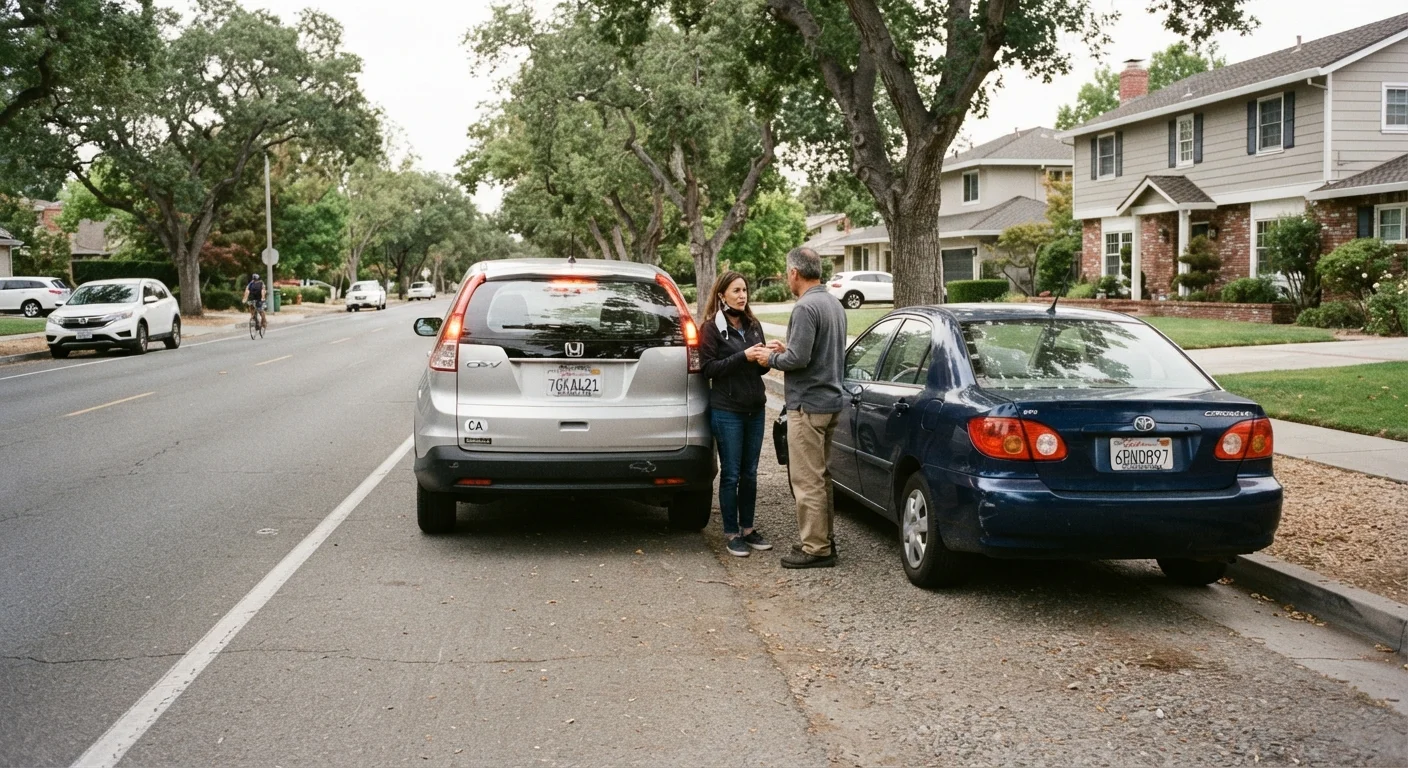
Photo: AscendWit.com | Explore Engaging Blogs. editorial
Key Takeaways
- Move to safety first - only exit the vehicle when it is safe to do so.
- Call 911 even for minor accidents; a police report strengthens insurance claims.
- Never admit fault at the scene - let investigators and insurers determine liability.
- Document everything: photos, driver info, witness contacts, and officer details.
- Notify your insurance company promptly, regardless of who appears to be at fault.
Why the First Few Minutes Matter
A collision is disorienting. Your heart rate spikes, details blur, and it's easy to make decisions you'll regret - or miss steps that turn out to be important. The actions you take in those first few minutes affect your physical safety, the validity of your insurance claim, and your legal standing if the situation becomes disputed.
Being prepared ahead of time is the most reliable way to stay composed. If you're new to vehicle ownership, our overview for first-time car owners covers the insurance and documentation basics you'll want in place before you ever need them.
What you will need
Step-by-Step: What to Do at the Scene
Follow these steps in order. If you're shaken, work through them one at a time - there's no rush once you're safe.
Check for safety and move if possible
Your first priority is people, not property. Check yourself and passengers for injuries. If the vehicles are drivable and it is safe to do so, move them to the shoulder or a nearby parking lot to clear traffic. Turn on your hazard lights immediately.
Call 911
Call emergency services regardless of how minor the crash seems. Report the location, whether anyone is injured, and whether vehicles are blocking traffic. Many states legally require you to report accidents above a certain damage threshold, and a police report is often required by insurers to process claims.
Exchange information with the other driver
Once it is safe, exchange the following with every driver involved:
- Full name and contact information
- Driver's license number and state
- License plate number
- Insurance company name and policy number
- Vehicle make, model, and color
Keep the conversation factual and brief.
Document the scene thoroughly
Use your phone to photograph all vehicles from multiple angles, close-up damage, license plates, the road layout, traffic signs, skid marks, and any visible injuries. If bystanders witnessed the crash, ask for their names and phone numbers - their accounts can be valuable later.
Get the police report details
When officers arrive, get the responding officer's name, badge number, and the case or report number. Ask how to obtain a copy of the official report once it's filed - this document is typically required when filing an insurance claim.
Notify your insurance company
Contact your insurer as soon as you are in a safe location, even if the other driver appears to be at fault. Most policies require prompt notification. Your insurer will guide you through the claims process. For more context on what your coverage actually covers in situations like this, see our guide to car insurance coverage types.
Seek medical evaluation
Some injuries - particularly whiplash, concussion, and internal soft-tissue damage - may not produce noticeable symptoms for hours or even days after a crash. See a healthcare provider promptly even if you feel fine. Keep records of every medical visit related to the accident.
Never Admit Fault at the Scene
Prepare Before an Accident Happens
After You Leave the Scene
Once you're away from the accident site, write down everything you remember while it's fresh: the sequence of events, road and weather conditions, and anything either driver said. This personal account can be useful if the claim is disputed.
Keep a dedicated folder - physical or digital - for all accident-related documents: photos, the police report, medical records, repair estimates, and your correspondence with the insurer. Organization now saves significant time later.
Don't Move Injured Persons Unless Necessary
If the accident involved unusual circumstances - a commercial vehicle, a hit-and-run, or a serious injury - consulting an attorney before providing a recorded statement to any insurer (including your own) is worth considering. An attorney can advise on your rights and obligations specific to your state.
Finally, consider what led to the crash in the first place. Safe driving habits reduce risk significantly. Our articles on safe following distance and lane change techniques are practical starting points for reducing the chance of another collision.
The content on this site is for informational purposes only and is not a substitute for professional advice. Always consult a qualified professional for guidance specific to your situation.