
Why New Car Owners Are Often Surprised by Depreciation

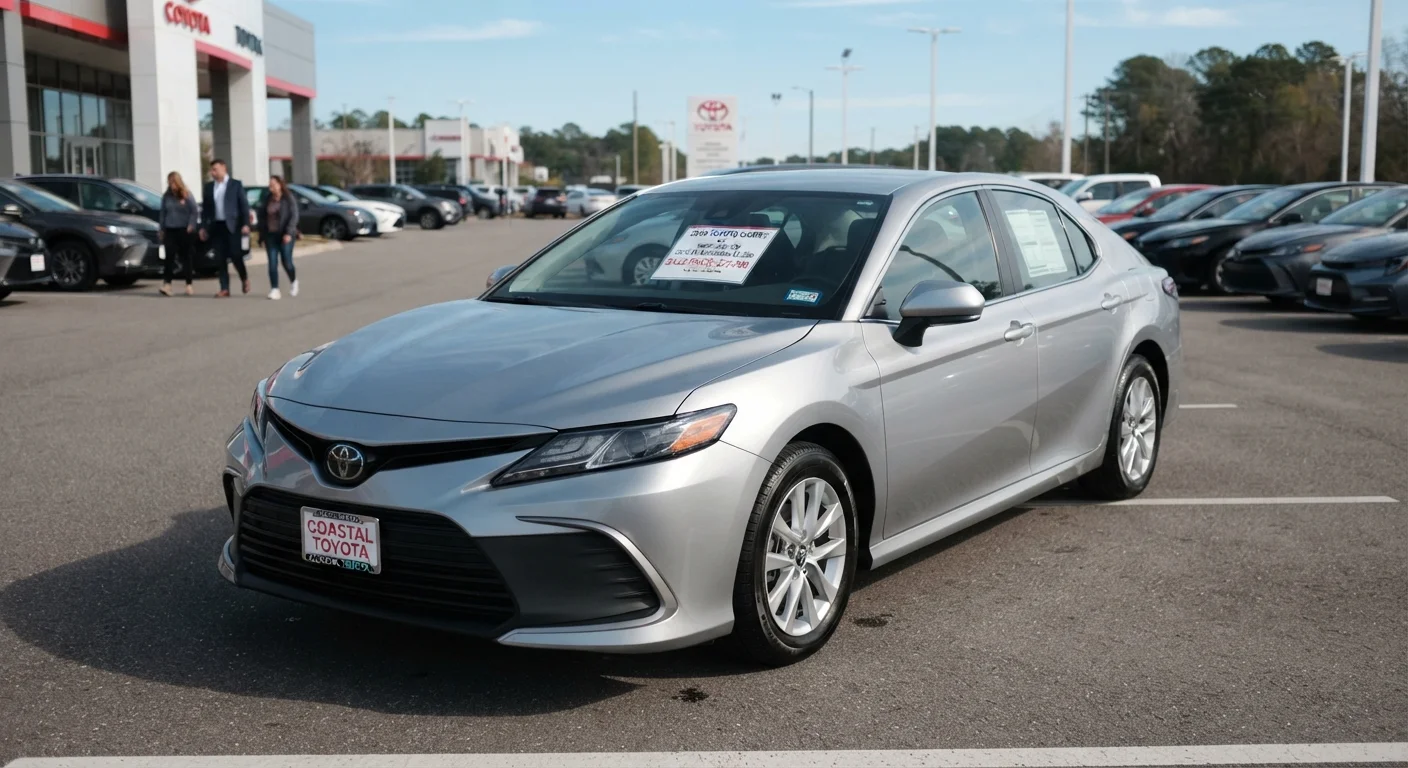
Photo: AscendWit.com | Explore Engaging Blogs. editorial
Key Takeaways
- New cars typically lose 15-25% of their value in the first year of ownership.
- Depreciation is often the single largest cost of owning a new vehicle over five years.
- Factors like mileage, condition, and market demand all affect how fast a car loses value.
- Understanding depreciation helps you make smarter decisions about buying, selling, or leasing.
- Keeping a vehicle long-term can reduce the financial impact of early depreciation.
The Moment the Value Starts Dropping
Most new car buyers focus on monthly payments and features. Few think carefully about what happens to the vehicle's value the moment they drive away. That shift - from showroom to road - marks the start of depreciation, and it moves faster than most people expect.
A vehicle is classified as 'used' the instant it leaves the dealership, regardless of how many miles are on it. That status change alone can reduce its market value noticeably. From there, the drop continues - typically steepest in years one through three, then gradually leveling off.
For context, industry data and automotive analysts generally estimate that new vehicles lose somewhere between 15% and 25% of their value within the first year. By the five-year mark, many vehicles have lost 40-60% of their original purchase price. These aren't worst-case scenarios - they reflect average patterns across the market.
15-25%
Typical value lost in first year
Automotive industry analysts broadly estimate new vehicles lose this share of their value within 12 months of purchase.
40-60%
Value lost over five years
Many new vehicles retain only 40-60% of their original price after five years, depending on model and market conditions.
~10%
Immediate loss when leaving the lot
The transition from 'new' to 'used' status at the moment of sale can reduce market value by roughly 10% instantly.
Why Depreciation Catches New Owners Off Guard
The sticker price feels like the big number - and it is upfront. But depreciation is a cost that doesn't show up on a monthly statement, which makes it easy to overlook. It only becomes visible when you go to sell, trade in, or refinance your vehicle and discover what it's actually worth at that point.
Many first-time owners are also surprised to learn how quickly depreciation can create negative equity - a situation where the remaining loan balance is higher than what the car is worth. This is sometimes called being 'upside down' on a loan. It's especially common when buyers put little money down, opt for long loan terms, or purchase vehicles with high initial depreciation rates.
Understanding this dynamic before you buy is part of seeing the full picture. See what ownership really costs beyond the purchase price for a broader look at where the money actually goes.
Track Your Vehicle's Value Over Time
What Affects How Fast a Vehicle Depreciates
Depreciation isn't a fixed formula - it varies based on several factors that owners can partially influence and partially anticipate.
- Mileage: Higher annual mileage generally accelerates value loss. Most depreciation estimates assume around 12,000-15,000 miles per year.
- Condition: A well-maintained vehicle with documented service records holds more value than one with visible wear or a spotty history.
- Market demand: Vehicles that hold consumer appeal - because of fuel efficiency, reliability reputation, or practical design - tend to depreciate more slowly.
- Vehicle type: Trucks and SUVs with strong demand sometimes hold value better than luxury sedans or vehicles in saturated market segments.
- Economic conditions: Fuel prices, interest rates, and used-car supply all influence resale values in ways individual owners can't control.
None of these factors give you full control over depreciation, but understanding them helps you make better decisions when buying and caring for a vehicle.
How to Factor Depreciation Into Your Ownership Decisions
Depreciation isn't a reason to avoid buying a new car - it's simply a cost to account for. A few practical approaches can help you manage its impact.
Consider the total ownership timeline. Depreciation hits hardest early. If you plan to drive a vehicle for eight or ten years, the annual cost of that early drop spreads across many more years, softening the blow. Owners who trade in every two or three years absorb the steepest part of the curve repeatedly.
Think about resale before you buy. Vehicle types, trims, and colors with broad appeal tend to retain more value. This is worth considering alongside your personal preferences, not instead of them.
Understand how it connects to leasing. Depreciation is central to how lease payments are calculated - you're essentially paying for the projected value the car loses during your lease term. Comparing buying and leasing side by side can clarify which structure fits your situation better.
If buying used, depreciation has already done some of its work. A vehicle that's two or three years old has absorbed its sharpest early losses, which is part of why used cars often represent a different value equation. Weighing new versus used is worth doing with depreciation as one of the variables on the table.
This article is for general informational purposes only and does not constitute financial or purchasing advice. Depreciation rates vary widely by vehicle, market conditions, and individual circumstances. Consult qualified professionals when making significant financial decisions.
Frequently Asked Questions
The content on this site is for informational purposes only and is not a substitute for professional advice. Always consult a qualified professional for guidance specific to your situation.