
Fuel Economy in the Real World: What MPG Ratings Actually Mean

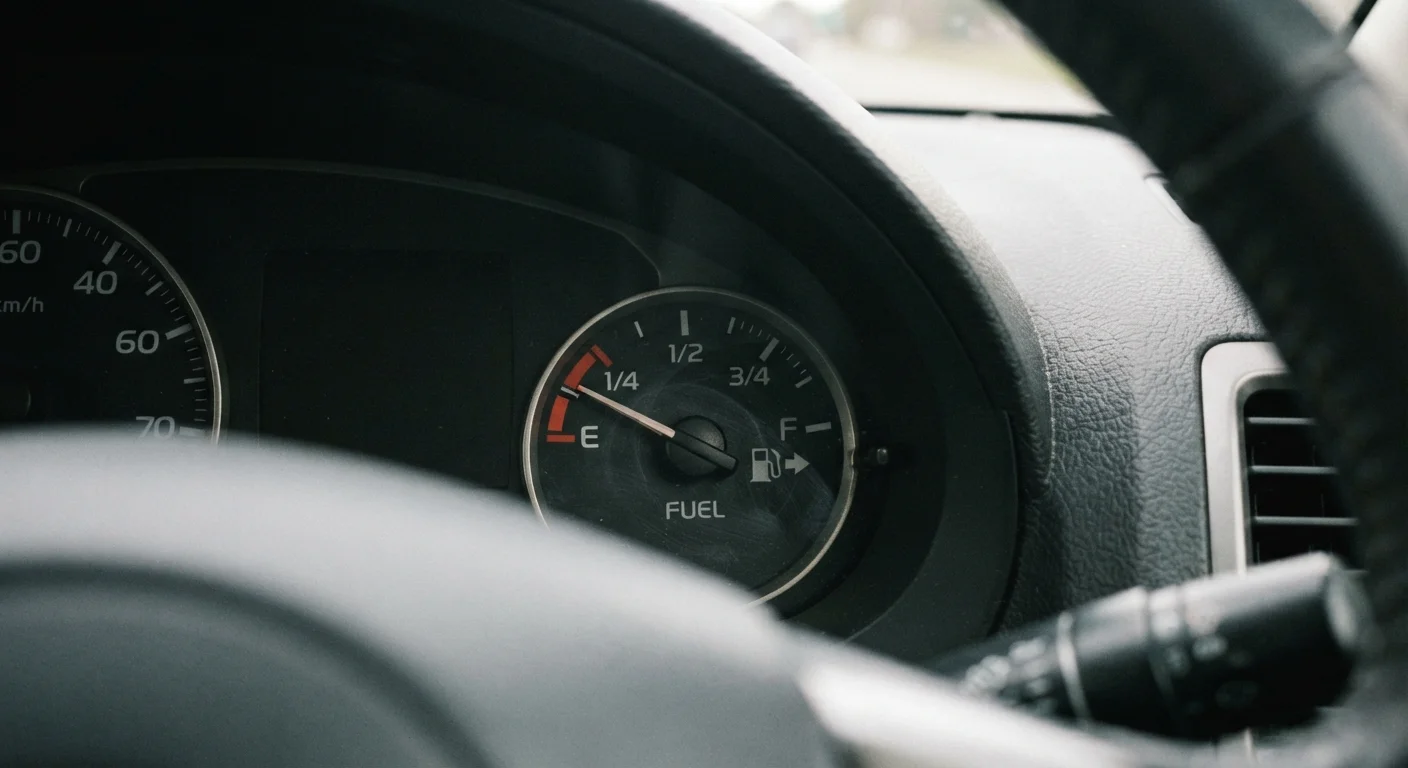
Photo: AscendWit.com | Explore Engaging Blogs. editorial
Key Takeaways
- EPA fuel economy ratings are lab-based estimates, not guarantees of real-world performance.
- Driving habits, temperature, load, and road conditions all affect how far a tank actually takes you.
- Highway MPG figures can be misleading for drivers who primarily navigate stop-and-go city traffic.
- Simple habits like smooth acceleration and proper tire inflation can meaningfully improve your fuel economy.
How the EPA Measures Fuel Economy
When you see an MPG figure on a window sticker, it comes from standardized laboratory tests conducted under protocols set by the U.S. Environmental Protection Agency (EPA). Vehicles are run on a dynamometer - essentially a treadmill for cars - while technicians simulate driving patterns. The results are then adjusted downward using correction factors meant to better reflect real-world conditions.
The EPA uses several test cycles. The city cycle simulates urban stop-and-go driving with an average speed around 21 mph. The highway cycle represents steadier, faster travel averaging about 48 mph. Additional tests account for high-speed driving, air conditioning use, and cold-weather starts. Each cycle produces a number, and the sticker shows a combined estimate weighted roughly 55% city and 45% highway.
Understanding this process matters because the test environment is controlled in ways your commute simply isn't. There's no wind resistance in a lab, no hills, and no one cutting you off at a merge. Those differences add up fast.
Common Fuel Economy Myths - Corrected
Misunderstandings about MPG ratings are widespread, and acting on bad information can leave you frustrated or making poor decisions. Here's what the evidence actually shows.
Myth
Highway MPG is always better than city MPG, so mostly highway driving means you'll hit the sticker number.
Fact
Highway ratings assume steady, moderate speeds - real highway driving at 75-80 mph uses significantly more fuel than the test cycle speed.
The EPA's highway test averages around 48 mph. Most US highway driving happens at 65-80 mph, and aerodynamic drag increases with the square of speed. Driving at 75 mph uses considerably more fuel per mile than driving at 48 mph, which is why many drivers who do lots of highway miles still fall short of the rated figure.
Myth
Premium fuel will improve your car's MPG if you use it in a vehicle designed for regular.
Fact
Using a higher octane fuel than your engine requires provides no fuel economy benefit and no performance gain.
Octane rating measures a fuel's resistance to premature ignition (knocking), not its energy content. Engines designed for regular-grade fuel are calibrated accordingly. Unless your owner's manual specifies premium as required - not just recommended - spending more at the pump on premium grades returns nothing measurable in mileage or performance.
Myth
A brand-new car should always achieve or exceed its EPA-rated MPG right off the lot.
Fact
New engines often need a break-in period of several hundred to a few thousand miles before reaching their most efficient operation.
Engine components - pistons, rings, and bearings - need time to seat properly. During this period, internal friction is slightly higher than it will be once everything is worn in smoothly. Fuel economy often improves modestly over the first several thousand miles as the drivetrain settles. This is one reason early ownership impressions can seem disappointing compared to the sticker.
Myth
Keeping your gas tank full at all times saves fuel because a heavier tank helps the engine run better.
Fact
A full tank adds weight, which slightly reduces fuel efficiency - there is no mechanical advantage to keeping the tank topped off.
Gasoline weighs roughly 6 pounds per gallon. A full 15-gallon tank adds about 90 pounds compared to a quarter tank. While the effect is small, extra weight always works against efficiency, not for it. The practical benefit of a fuller tank is simply reducing how often you stop - not improving combustion or engine performance in any way.
What Actually Drains Your Tank
Several real-world factors consistently push fuel economy below the sticker estimate:
- Aggressive driving: Hard acceleration and heavy braking can reduce fuel economy by 15-30% on the highway, according to EPA data. Smooth inputs make a measurable difference.
- Cold weather: Gasoline engines are less efficient when cold. Short trips in winter are especially costly because the engine never fully warms up. Fuel economy can drop significantly - sometimes 10-25% - in temperatures below 20°F versus 77°F conditions.
- Cargo and passengers: Extra weight means the engine works harder. Roof racks and cargo carriers add aerodynamic drag even when empty.
- Tire pressure: Under-inflated tires increase rolling resistance. Maintaining correct tire pressure is one of the simplest steps you can take to protect fuel economy and handling.
- Air conditioning: Running the AC, especially in city driving, can reduce MPG noticeably. The EPA's AC test captures some of this, but it varies widely based on climate and usage.
Don't Ignore Short-Trip Penalties in Winter
Using the right engine oil also plays a role. Choosing the oil viscosity your manufacturer recommends reduces internal engine friction, which contributes to efficiency over time.
Using MPG Ratings Wisely
EPA ratings are still useful - just not as a promise. Think of them as a standardized benchmark that lets you compare vehicles on equal footing. A vehicle rated at 35 MPG combined will almost certainly use less fuel than one rated at 24 MPG combined, even if neither hits its exact sticker number in your driveway.
For a closer prediction of your own experience, the EPA's fueleconomy.gov website publishes real-world data submitted by actual owners, broken down by driving conditions. Browsing those figures for a vehicle you're considering gives you a more grounded expectation than the sticker alone.
~20%
Typical real-world MPG shortfall vs. EPA estimate
EPA data and owner-reported figures on fueleconomy.gov consistently show most drivers achieve roughly 15-20% below their vehicle's combined sticker rating.
15-30%
Fuel economy reduction from aggressive driving
According to EPA guidance, aggressive acceleration and braking can cut highway fuel economy by 15-30% compared to smooth, steady driving.
If you're questioning other vehicle care assumptions, it's worth reading about car maintenance myths that could hurt your vehicle - some popular habits, like idling to warm up your engine, also affect fuel use in ways most drivers don't expect.
The bottom line: treat the MPG sticker as a starting point, not a finish line. Your habits behind the wheel will ultimately determine how far your fuel dollar goes.
The content on this site is for informational purposes only and is not a substitute for professional advice. Always consult a qualified professional for guidance specific to your situation.