
How to Keep Your Money and Devices Safe While Abroad

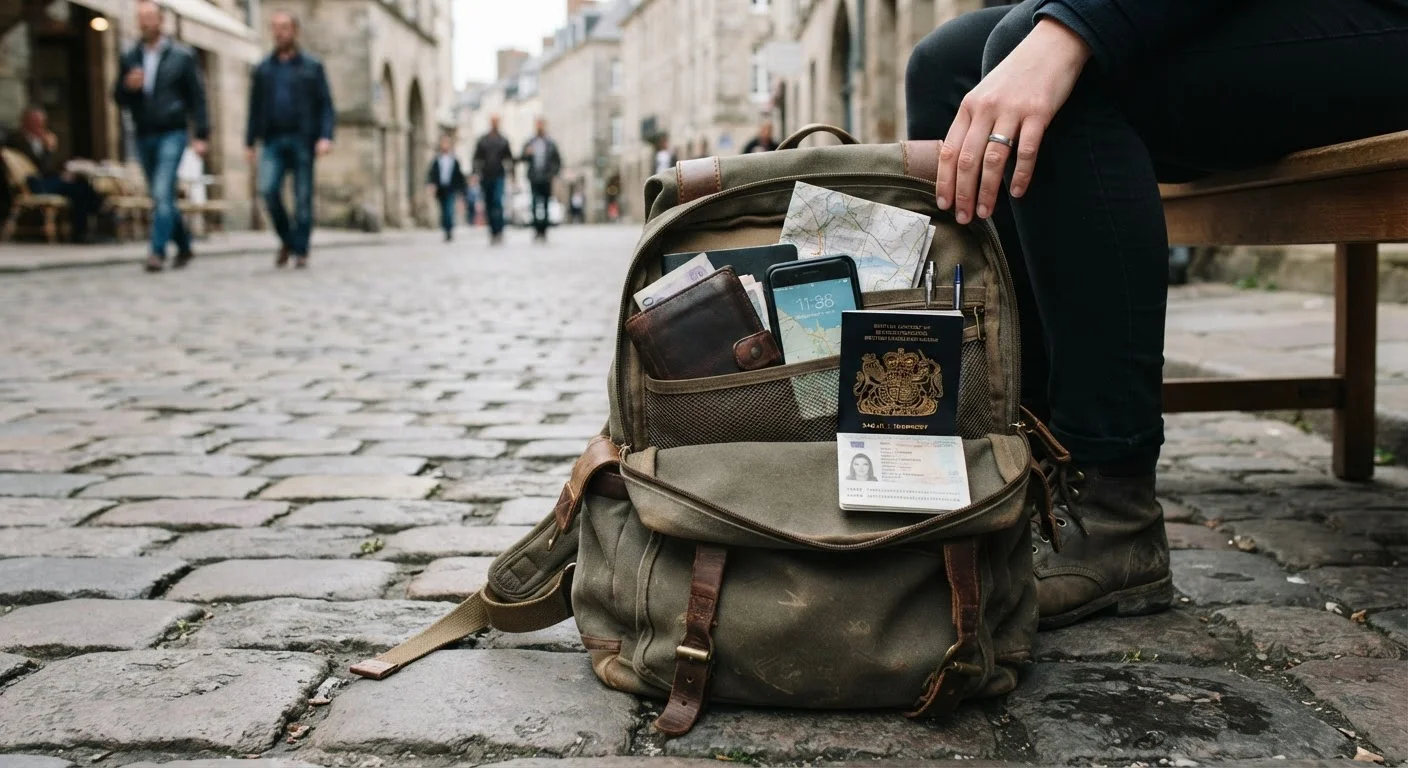
Photo: AscendWit.com | Explore Engaging Blogs. editorial
Key Takeaways
- Splitting cash and cards across multiple locations limits losses if one is stolen.
- Public Wi-Fi is a common attack vector; a VPN and mobile data are safer alternatives.
- Enabling remote wipe on your devices before departure is a critical and often skipped step.
- Notifying your bank before travel prevents your cards from being frozen at the worst moment.
- A money belt or hidden pouch dramatically reduces pickpocket risk in crowded areas.
- Low-profile behavior - avoiding flashy gear in public - is one of the simplest deterrents.
Why these risks are worth taking seriously
Petty theft and digital scams are among the most commonly reported travel disruptions for US tourists abroad. Neither requires sophisticated criminal networks - a skilled pickpocket works in seconds in a crowded street, and an unsecured Wi-Fi connection can expose login credentials in minutes. The financial and logistical fallout - cancelled cards, locked accounts, lost devices - can derail days of travel or worse.
The good news is that most of these risks are manageable with habits established before you board the plane. As our destination research guide covers, understanding local conditions in advance - including known scam patterns and neighborhood safety - is one of the highest-return investments you can make in a smooth trip. And for often-overlooked logistics that matter just as much, see things travelers forget to do before leaving home.
What you will need
What you'll need
Most of these measures require nothing more than your existing devices, a bit of time before departure, and a few inexpensive accessories. Here's what to have on hand:
VPN (Virtual Private Network) app
Encrypts your internet connection on public Wi-Fi networks, preventing eavesdropping.
Money belt or hidden travel pouch
Conceals cash and cards close to your body, reducing pickpocket exposure.
Padlock (TSA-approved for luggage)
Secures zippers on bags left in hotel rooms or stored in transit.
Offline maps app
Lets you navigate without exposing your location data on public networks.
Step-by-step: Building your travel security routine
Follow these steps in the days and hours before departure - most take only a few minutes and create protection that lasts the entire trip.
Notify your bank and set up account alerts
Contact your bank and credit card issuer before departure to flag your travel dates and destinations. Many issuers freeze accounts when foreign transactions appear without prior notice. While you're in the app or on the phone, enable real-time transaction alerts - most banks offer SMS or push notification options. This way, any unauthorized charge surfaces within seconds rather than weeks later when you're reviewing statements.
Split your money and cards across multiple places
Never carry all your cash, cards, and ID in one wallet or bag. A practical split: keep daily spending cash in an accessible pocket, your primary card in a money belt, and a backup card stored separately in your luggage at the accommodation. If your wallet is lost or stolen, you won't be stranded with no access to funds. Also photograph both sides of your cards and ID and store those images in a secure, encrypted cloud folder - not just in your phone's camera roll.
Secure your devices before you leave home
Set a strong PIN or passphrase on every device - fingerprint or face unlock alone isn't sufficient if a device is seized while unlocked. Enable full-disk encryption (standard on modern iOS and Android). Turn on remote-wipe capability: on iOS this is Find My iPhone; on Android, Find My Device. If a phone is stolen, you can erase it remotely before thieves access accounts or stored payment data. Back up everything to a secure location so a wiped device doesn't mean lost data.
For more overlooked settings worth activating, see smartphone security settings most people never touch.
Avoid public Wi-Fi or use a VPN
Hotel lobbies, airport lounges, and café networks are frequent targets for man-in-the-middle attacks - where an attacker intercepts traffic between your device and the internet. If public Wi-Fi is unavoidable, use a reputable VPN to encrypt your traffic before it leaves your device. Alternatively, use your phone's mobile data connection or enable a personal hotspot for other devices. Avoid logging into banking or email on networks you don't control.
Adopt low-profile habits in public spaces
Opportunistic theft tends to target distracted travelers displaying visible valuables. Keep your phone in a front pocket or inside a zipped bag rather than a back pocket or hanging from a hand. Use your phone or camera, then put it away - don't walk while staring at a screen. In crowded markets, transit hubs, or tourist sites, wear your bag in front of you. These habits don't require vigilance every second; they just need to become automatic.
Know exactly what to do if something goes wrong
Prepare a short emergency reference before you leave: the international phone numbers for your bank's lost/stolen card line, the address and phone number of the nearest US embassy or consulate, and the local emergency number (which varies by country - it's not always 911). Store this information somewhere accessible without your phone, such as a printed card in your luggage. Having a plan reduces panic and speeds up recovery if a card or device is lost.
Build the habit before you need it
Keeping your digital life secure on the road
Physical theft gets most of the attention, but digital exposure is increasingly common. Beyond public Wi-Fi, be cautious about charging your phone at public USB ports - a technique called "juice jacking" can theoretically transfer malware through charging cables connected to compromised ports. Carry your own charger and use wall outlets instead.
Limit the sensitive apps you use while abroad. If you don't need your banking app open every day, keep it logged out. Log out of email accounts on shared computers immediately after use and never save passwords in browser prompts on devices that aren't yours.
For a broader look at device security habits that apply both at home and while traveling, gadget security habits most people skip is a useful companion read.
Don't rely on travel insurance as a substitute
The content on this site is for informational purposes only and is not a substitute for professional advice. Always consult a qualified professional for guidance specific to your situation.