
Things Travelers Forget to Do Before Leaving Home

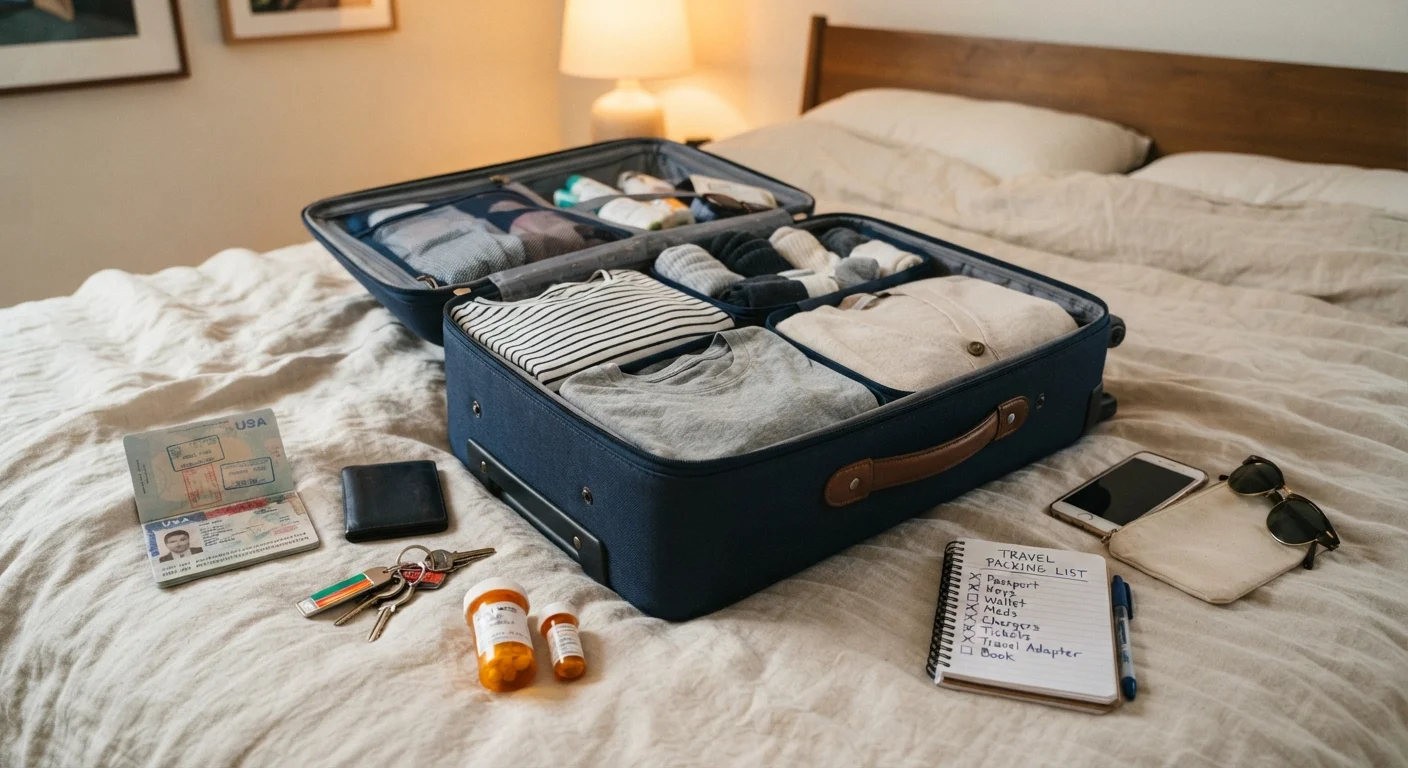
Photo: AscendWit.com | Explore Engaging Blogs. editorial
Key Takeaways
- Notifying your bank before departure prevents your card from being flagged and frozen abroad.
- Holding your mail and pausing deliveries stops visible signs that your home is unoccupied.
- Arranging pet care and plant watering in advance avoids last-minute scrambles before departure.
- Backing up devices and updating passwords protects your data if a phone or laptop goes missing.
- Checking visa and entry requirements well ahead of travel prevents costly surprises at the border.
The Oversights That Actually Derail Trips
Most travelers spend weeks obsessing over itineraries, accommodation, and packing lists - and still arrive at their destination with a frozen credit card, a flooded inbox of missed package alerts, or an anxious pet left without clear care instructions. The passport is rarely the problem. It's the quieter, less dramatic tasks that slip through.
This list focuses on the pre-departure steps that cause real disruption when skipped. None of them are complicated. Most take under ten minutes. But they're easy to skip because they don't feel urgent until something goes wrong. See our trip planning checklist for a broader framework to work from as you prepare.
Notify your bank and credit card issuers
Banks use automated fraud detection that flags unusual activity - including charges from foreign countries or cities you don't typically visit. Without a travel notice, your card can be declined at the worst possible moment: checking into a hotel, paying for a train, or grabbing an emergency taxi.
Contact your bank and any credit card issuers before you leave. Most now let you set travel alerts through their app. Note the dates and destinations you'll be visiting. Also confirm whether your card charges foreign transaction fees, so you're not surprised by small surcharges on every purchase. For more on protecting your finances while away, see how to keep your money and devices safe abroad.
A frozen card abroad is stressful and avoidable - one quick bank notification prevents it.
Put your mail on hold and pause deliveries
A stuffed mailbox or a row of uncollected packages on your front step is one of the clearest signals that a home is unoccupied. The US Postal Service offers a free mail hold service - you can request it online up to 30 days in advance and choose to have it delivered all at once when you return, or held at your local post office.
For packages, most major carriers offer delivery delay or hold options through their apps. If you're expecting anything time-sensitive, redirect it to a trusted neighbor or a secure locker location. These small steps reduce both security risk and the chaos of returning to a mountain of mail.
Piled-up mail signals an empty home - a simple hold request fixes that before you leave.
Arrange pet care with clear written instructions
Even travelers with pet sitters lined up often leave without giving that person everything they need. Verbal instructions are easy to forget or misremember. Before you go, write down feeding schedules, medication details (including dosages and timing), vet contact information, and any behavioral quirks that a caregiver should know about.
Include your accommodation contact details in case of an emergency, and confirm that your pet's vet records and vaccination history are accessible. If you're using a boarding facility, verify their requirements ahead of time - some require specific vaccinations or documentation that takes days to obtain.
Written care instructions for your pet remove guesswork and protect against emergencies.
Back up your devices and secure your accounts
Phones and laptops get lost, stolen, or damaged on trips. If your device isn't backed up before you leave, you could lose photos, contacts, work files, and app data permanently. Set your phone and laptop to back up to a cloud service or an external drive before departure.
It's also worth reviewing your account security: enable two-factor authentication on email and banking apps, and consider whether your passwords are strong enough if your device falls into the wrong hands. Our related guide on gadget security habits covers the settings most people overlook until it's too late.
A stolen phone with no backup is a double loss - data and memories both gone.
Verify entry requirements for your destination
Visa rules, passport validity requirements, and entry conditions change - sometimes with little public notice. Many countries require that your passport be valid for at least six months beyond your travel dates, even if your trip is only two weeks long. Others require visas that must be applied for weeks in advance.
Check the U.S. Department of State's travel website and your destination country's official immigration portal before finalizing plans. This is especially important if you've recently renewed your passport or are visiting multiple countries with different entry rules. First-time international travelers should also review common surprises for first-time international travelers to avoid other entry-related blind spots.
Passport validity rules catch travelers off guard - check requirements well before departure.
Make arrangements for plants, utilities, and your home's security
Plants are easy to forget and hard to replace. Ask a neighbor, friend, or building manager to water them on a schedule - leave clear written instructions rather than assuming they'll know what to do. For longer trips, self-watering spikes or reservoirs can extend the time between waterings.
For your home itself: set lights on timers to create the appearance of occupancy, lower your thermostat to a safe but energy-efficient setting, and ensure all windows and doors are locked. Unplug non-essential appliances to reduce the risk of electrical issues while you're away. If someone trustworthy has a spare key, confirm they know how to reach you in an emergency.
A home that looks lived-in and is energy-safe gives you genuine peace of mind while traveling.
Make These Habits, Not Last-Minute Scrambles
The travelers who feel least stressed on departure day aren't necessarily more organized by nature - they've just built these steps into their routine early enough to handle them calmly. Running through this list a week before you leave (rather than the night before) gives you time to troubleshoot anything that doesn't go smoothly.
Build Your Pre-Departure Checklist Early
If you're heading abroad for the first time, these home-front tasks are just one piece of the puzzle. Our guide for first-time international travelers walks through the bigger picture - documents, currency, customs, and more - in a structured, stress-free way.
The content on this site is for informational purposes only and is not a substitute for professional advice. Always consult a qualified professional for guidance specific to your situation.