
The Pacific Northwest for First-Time Visitors: What to Expect Beyond Seattle

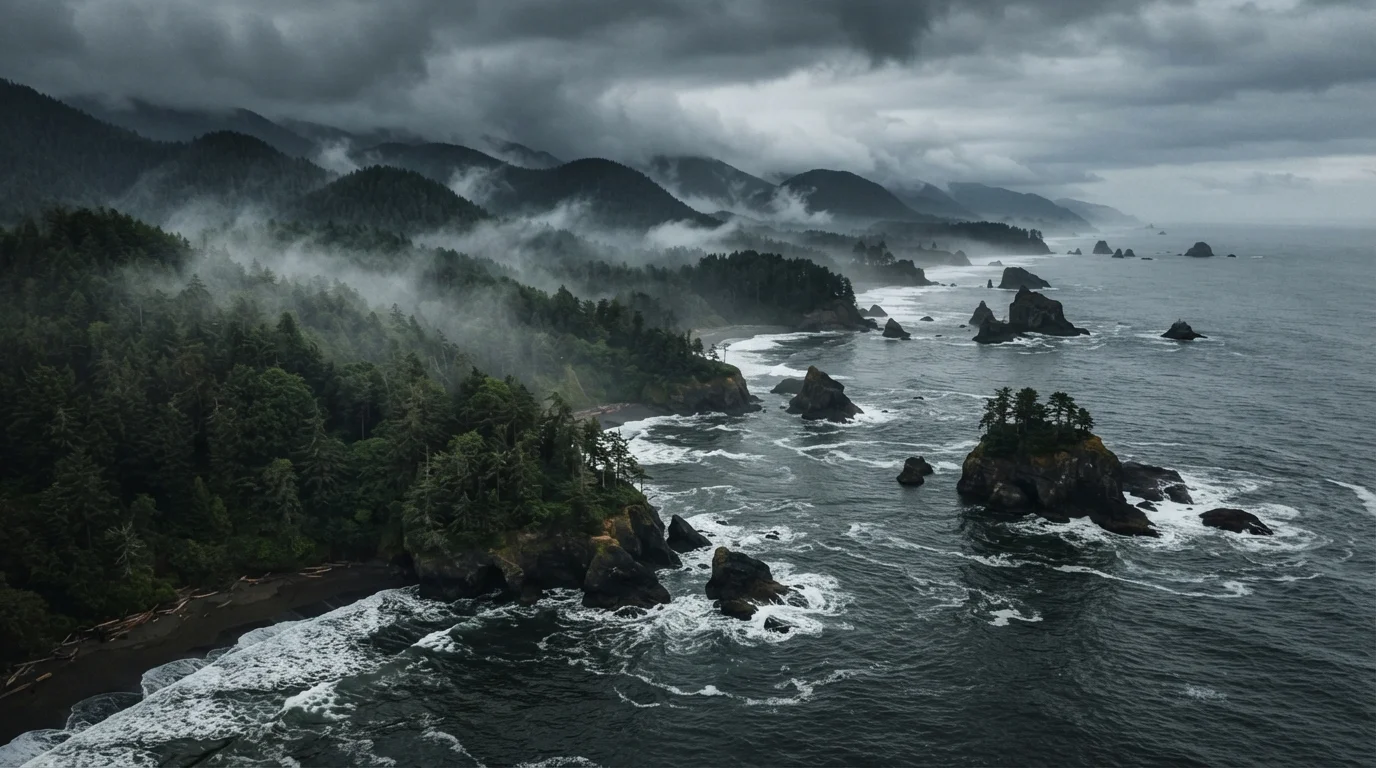
Photo: AscendWit.com | Explore Engaging Blogs. editorial
Key Takeaways
- The Pacific Northwest spans two states and includes rainforests, volcanoes, high desert, and 400+ miles of coastline.
- Olympic National Park offers three distinct ecosystems within a single park - rare anywhere in the world.
- Oregon's entire coastline is public land, making beach access universally free and straightforward.
- Summer is peak season; shoulder seasons (May and October) offer fewer crowds with manageable weather.
- A car is nearly essential for exploring beyond Seattle - public transit options are limited outside cities.
What the Pacific Northwest Actually Covers
When most travelers think of the Pacific Northwest, Seattle comes to mind first. But the region spans far more: roughly defined as Washington and Oregon (and sometimes extending into Idaho), it encompasses temperate rainforests, active volcanoes, high desert plateaus, and over 400 miles of Pacific coastline. Understanding its geographic range helps you set realistic expectations before you plan.
Temperate rainforest
A forest in a mild, coastal climate that receives very high annual rainfall - resulting in dense vegetation, mossy trees, and year-round green. The Hoh Rain Forest in Olympic National Park is a well-known example.
Cascade Range
A chain of volcanic mountains running north-south through Washington and Oregon, including peaks like Mount Rainier and Mount Hood. This range divides the wet, forested western side of both states from the drier eastern interior.
Caldera
A large volcanic crater formed when a volcano collapses inward after an eruption. Crater Lake in Oregon sits inside a caldera and is the deepest lake in the United States.
Shoulder season
The travel periods just before and after peak season - typically spring and fall - when crowds are lighter and prices may be lower, but conditions are generally still manageable.
Discover Pass
A Washington State permit required for vehicle access to many state recreation lands, including trailheads and day-use areas. It is separate from national park entry fees.
Seattle is an excellent base, but it's a gateway - not the destination. From the city, visitors can reach Olympic National Park in about two to three hours, the Cascade Range in under two, and the Oregon border in about three. If your trip is longer than a long weekend, building in at least one excursion beyond the city pays off significantly. For broader trip-planning foundations, see this comprehensive guide to planning your first big trip.
Olympic National Park and the Washington Coast
Olympic National Park, located on Washington's Olympic Peninsula, is one of the few places in the world where you can walk from a temperate rainforest to an alpine meadow to a wild ocean beach - all within a single park. The Hoh Rain Forest, with its moss-draped maple trees, gets the most attention, but Hurricane Ridge (accessible by road) offers panoramic mountain views that require very little hiking to reach.
The Washington coast south of Olympic - particularly around Westport and Long Beach - is quieter and less-visited than the Oregon coast, which works in its favor. Before planning a park visit, it's worth understanding how national and state parks differ in access, fees, and amenities.
Arrive Early at Popular Trailheads
The Oregon Coast and Willamette Valley
Oregon's coastline is one of its most distinctive assets: every beach is legally public land, from Astoria in the north to Brookings near the California border. Travelers never have to worry about private beach restrictions. The scenery shifts as you move south - from wide tidal estuaries and forested headlands near Cannon Beach to the dramatic sea stacks of Samuel H. Boardman State Scenic Corridor in the far south.
Inland from the coast, the Willamette Valley runs south from Portland through Eugene. It's one of the country's recognized wine-growing regions and is also home to college towns, farmstands, and accessible day-hike terrain. Travelers interested in regional food and agricultural landscapes tend to find it rewarding. If you're comparing Pacific Northwest travel with other overlooked US regions, the Great Lakes region offers a useful contrast in landscape and character.
Oregon Beach Access Is State Law
Inland Destinations Worth Knowing
East of the Cascades, the Pacific Northwest shifts dramatically. Central Oregon - anchored by Bend - sits in high desert terrain that surprises many first-timers expecting only rain and evergreens. Smith Rock State Park offers striking volcanic formations and is popular with rock climbers and hikers. The area around Crater Lake National Park, Oregon's only national park, features a caldera lake of exceptional depth and color.
In Washington, the Cascade Range includes Mount Rainier National Park (one of the most glaciated peaks in the lower 48) and North Cascades National Park, which is notably less crowded. Eastern Washington's Palouse region - rolling agricultural hills photographed extensively in golden harvest season - is a genuine hidden gem for scenic drives.
Planning Your Trip: Practical Considerations
A few logistics shape how Pacific Northwest trips work in practice:
- Transportation: A rental car is nearly essential outside cities. Even well-known parks like Olympic have minimal shuttle infrastructure, and many scenic coastal and inland routes have no meaningful public transit.
- Seasonality: Summer (July-September) brings the driest, warmest conditions but also peak crowds at popular trailheads and parks. May and October offer a useful middle ground. Winter travel is rewarding for skiing near Mount Hood or in the Washington Cascades, but coastal and mountain roads can be challenging.
- Pacing: The region rewards slower travel. A week is enough to combine Seattle, the Olympic Peninsula, and a stretch of Oregon coast - but rushing all three leaves little time to actually experience any of them.
- Permits and passes: Some Washington trailheads require a Discover Pass; national parks charge separate entry fees. Check current requirements on official park service and state recreation websites before finalizing plans.
If you're newer to domestic trip planning overall, the Trip Planning hub has practical guidance on building itineraries, setting budgets, and booking accommodations. And if a longer journey eventually leads you to consider crossing borders, this guide for first-time international travelers covers the essentials in a similarly structured way.
Frequently Asked Questions
The content on this site is for informational purposes only and is not a substitute for professional advice. Always consult a qualified professional for guidance specific to your situation.