
Locked vs. Unlocked Phones: What the Difference Means for You

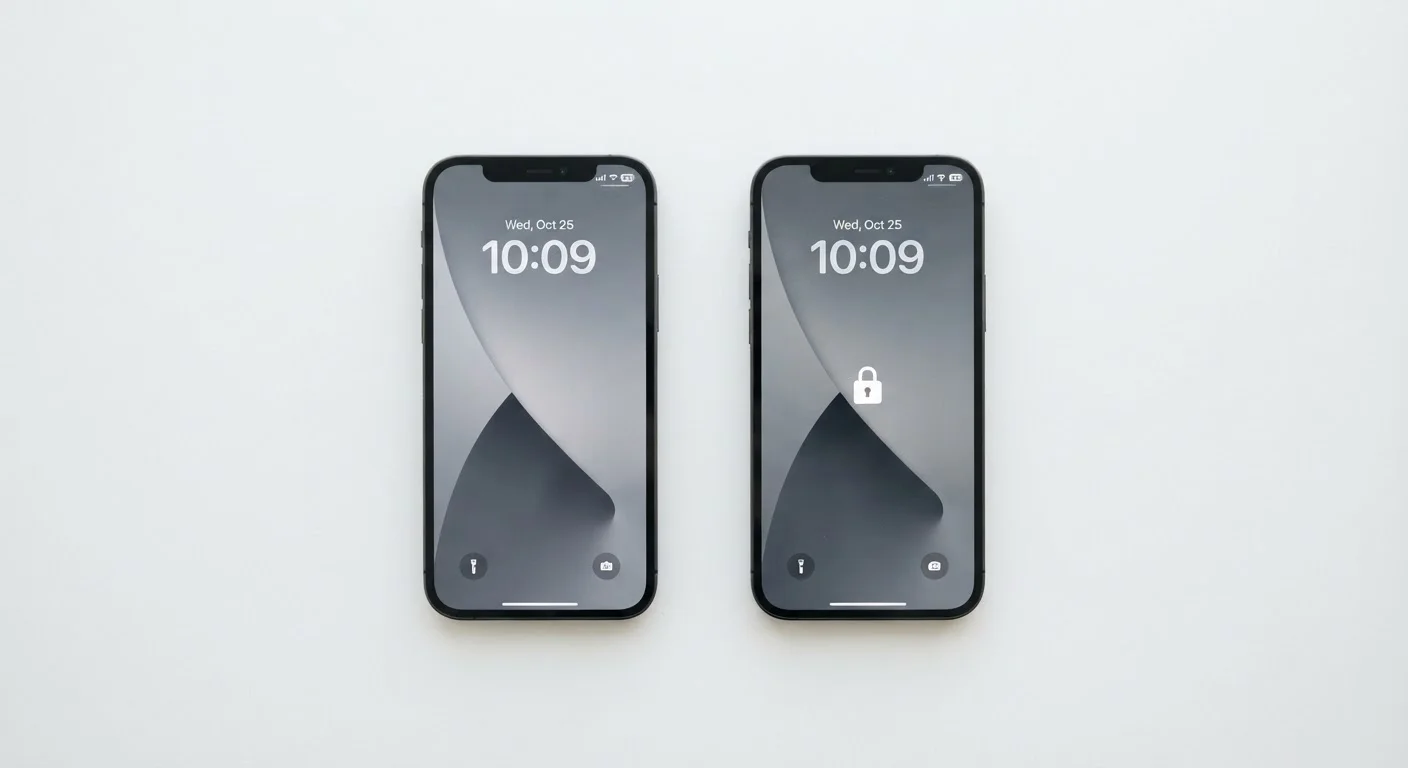
Photo: AscendWit.com | Explore Engaging Blogs. editorial
Key Takeaways
- A locked phone only works on the carrier that sold it; an unlocked phone works with any compatible network.
- Locked phones are often sold at a discount or on installment plans tied to a specific carrier contract.
- You can usually request an unlock from your carrier after meeting their eligibility requirements.
- Unlocked phones offer more flexibility to switch carriers or use local SIM cards when traveling abroad.
- Both locked and unlocked phones can offer the same hardware features and performance.
The Core Difference, Simply Explained
When you buy a phone from a wireless carrier, that carrier often installs a software restriction that prevents the device from connecting to any other network. That restriction is the "lock." An unlocked phone has no such restriction - it can connect to any carrier whose network is technically compatible with the device.
Think of it like a car key that only starts one specific car model. The phone itself - its camera, screen, processor - is identical whether it's locked or unlocked. What changes is which networks it will accept. For more context on how this fits into the broader landscape of smartphone ownership, see the complete guide to smartphone ownership.
The Lock Is Software, Not Hardware
Why Carriers Lock Phones in the First Place
Carriers offer locked phones because it protects their business model. When a carrier subsidizes a phone - selling it at a reduced price or through monthly installments - they need assurance that you'll stay on their network long enough to recover that cost. The lock is essentially a financial safeguard baked into software.
This arrangement can work in your favor when you want a lower upfront cost. It becomes a constraint when your circumstances change - you move to a different coverage area, find a better plan elsewhere, or travel internationally and want to use a local SIM. This trade-off between short-term savings and long-term flexibility is a familiar one, not unlike decisions covered in our article on buying vs. leasing a car.
~40%
US adults who have switched carriers
Pew Research Center surveys have consistently found that a significant share of US smartphone owners have switched wireless carriers at least once.
24-36 months
Typical carrier installment plan length
Most major US carriers offer device installment programs spanning two to three years, during which the device typically remains locked.
When Each Option Makes Practical Sense
A locked phone is often the practical choice if you're happy with your current carrier, plan to stay with them for the foreseeable future, and want to minimize what you pay upfront. Installment programs on locked devices can spread a flagship phone's cost across 24 or 36 months with no interest.
An unlocked phone makes more sense if you travel internationally and want the flexibility to use local SIM cards, if you frequently switch carriers to chase better rates, or if you simply prefer owning your device outright with no strings attached. It can also make software updates less complicated, since unlocked phones typically receive manufacturer updates faster - without a carrier layer of approval in between.
Check Before You Buy a Used Phone
Performance, camera quality, and features are unaffected by lock status. If you're weighing hardware decisions alongside this, our explainer on storage vs. RAM covers the internal specs that actually shape day-to-day experience.
How to Get a Locked Phone Unlocked
US carriers are generally required to unlock devices once you meet their eligibility requirements. While specific policies vary by carrier, the common conditions include: paying off any remaining device installment balance, completing a minimum period of active service, and having an account in good standing. Once eligible, you can contact your carrier - by phone, in-store, or through their website - and request the unlock.
After your carrier processes the request, you may need to restart the phone or follow a brief setup step. Third-party unlocking services also exist, but they carry more risk and may not be necessary given that carrier unlocking is widely available. If you're evaluating a used phone, ask the seller to confirm its lock status before you buy.
“Consumers should know they have the right to unlock their devices. The ability to switch carriers freely is a fundamental part of a competitive wireless market.”
— FCC Consumer Advisory, Federal Communications Commission, consumer guidance on mobile device unlocking
Frequently Asked Questions
The content on this site is for informational purposes only and is not a substitute for professional advice. Always consult a qualified professional for guidance specific to your situation.