
Home Internet Plans Explained: What You're Actually Paying For

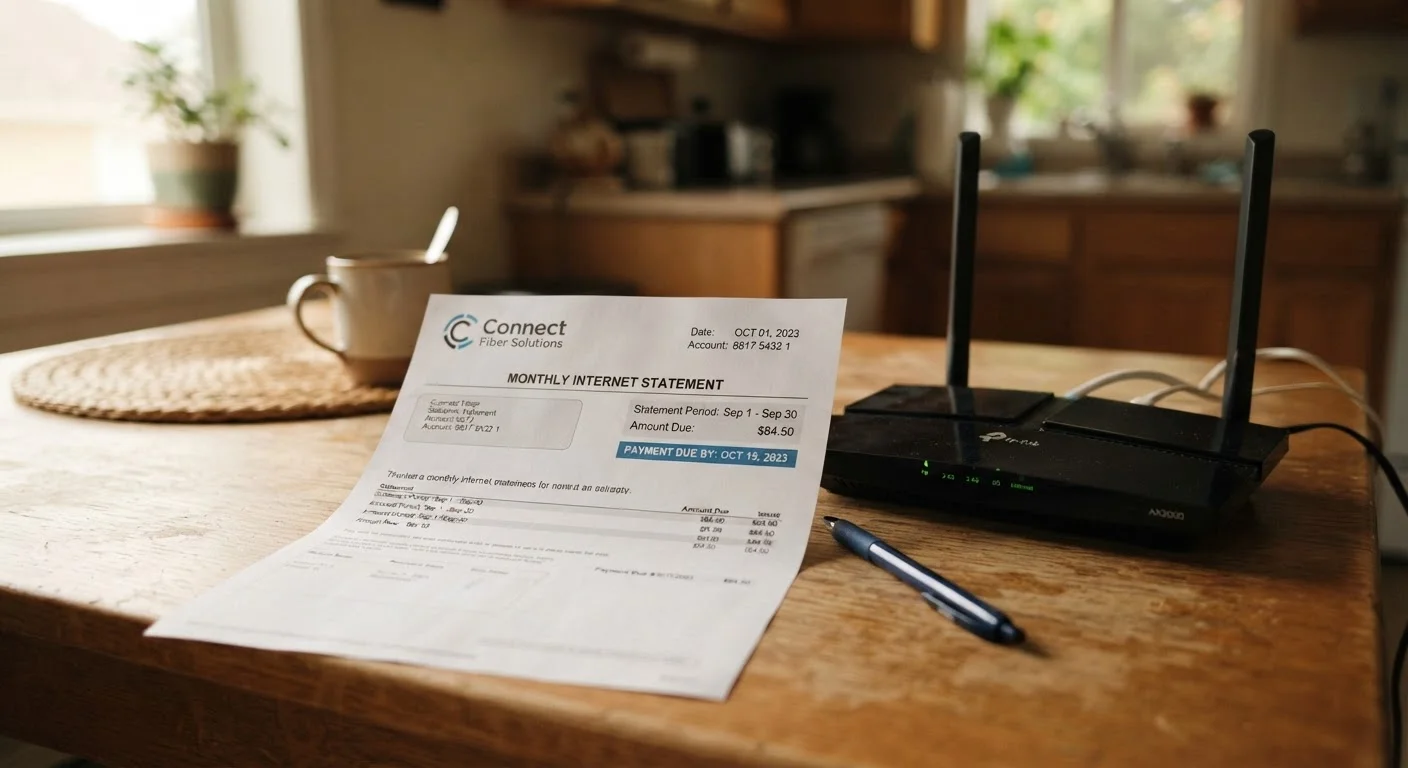
Photo: AscendWit.com | Explore Engaging Blogs. editorial
Key Takeaways
- Advertised speeds are maximums - your actual speed depends on your equipment and network conditions.
- Data caps limit how much you can download or stream each month before speeds are throttled or fees apply.
- Equipment rental fees can add $10-$20 per month to your bill even if the plan price looks low.
- Month-to-month plans offer flexibility; annual contracts often come with lower monthly rates but early termination fees.
- Most households with moderate streaming and remote work needs are well-served by plans in the 100-300 Mbps range.
The Speed Tier: What You're Actually Paying For First
When you sign up for an internet plan, the first number you see is the speed - something like "200 Mbps" or "1 Gig." This is your download speed, which measures how quickly data moves from the internet to your devices. Streaming a movie, loading a webpage, or joining a video call all draw on download speed.
Providers also advertise upload speed, which matters when you're sending data - think video calls, cloud backups, or uploading large files. Upload speeds are usually much lower than download speeds on cable and DSL plans, but more balanced on fiber connections. For a plain-language breakdown of what these numbers mean, see our guide to internet speed terms.
The key thing to know: advertised speeds are maximums, not guarantees. Your actual speed depends on your router's age and placement, the number of connected devices, and how busy your provider's network is at a given time.
1 TB
Typical monthly data cap on cable plans
Many major cable providers set a 1 terabyte monthly data threshold before overage charges or throttling applies.
$15/mo
Average modem or gateway rental fee
Provider equipment rental fees commonly range from $10 to $20 per month, adding up to $120-$240 per year on top of the plan price.
100-300 Mbps
Speed range sufficient for most households
The FCC's broadband guidance and industry usage studies generally indicate this range supports concurrent HD streaming, video calls, and general browsing for typical families.
Data Caps, Throttling, and Overage Fees
Many plans include a data cap - a monthly ceiling on how much data you can use. Once you cross that threshold, providers typically respond in one of two ways: they charge an overage fee for each additional block of data, or they throttle (slow down) your connection for the rest of the month.
Caps commonly range from 1 terabyte (TB) per month to unlimited. A household that streams video in HD, works from home, and has a few smart devices can use between 300 gigabytes (GB) and over 1 TB per month. If your plan has a 1 TB cap, you may be fine - but if you stream 4K content regularly on multiple screens, you could approach that limit. Understanding data caps in more detail can help you gauge your real risk.
Check Your Usage Before Switching Plans
Equipment Costs: The Hidden Line on Your Bill
Your plan's advertised price rarely tells the whole story. Most providers charge a separate monthly fee - typically $10 to $20 - to rent a modem, a router, or a combined gateway device. Over a two-year contract, that rental adds up to $240-$480 on top of your plan cost.
Buying your own compatible modem and router can eliminate this fee entirely. Before you do, confirm that the equipment is approved for use with your provider and supports the speed tier you've subscribed to. An older modem, for instance, may not be capable of passing through speeds above a certain threshold, effectively bottlenecking the plan you're paying for.
Modem Compatibility Matters
Contract Terms, Promotional Pricing, and What Happens After Month 12
Internet plans frequently come in two flavors: term contracts (usually 12 or 24 months) and month-to-month agreements. Term contracts often feature lower introductory rates - but those rates commonly increase significantly after the promotional period ends, sometimes by $20-$40 per month, without any change in the service you receive.
Month-to-month plans offer flexibility to switch providers or cancel without penalty, but the base rate may be higher from day one. Whichever structure you choose, read the terms for early termination fees (ETFs) before signing. ETFs can offset any savings you expected from a promotional rate if your circumstances change.
The underlying technology - fiber, cable, DSL, or fixed wireless - also affects reliability, speed consistency, and availability in your area. Learn how each connection type reaches your home to understand what's realistically available where you live. For a direct comparison of the two most widely available options, see fiber vs. cable internet.
Finally, watch for fees that aren't part of the plan itself: installation charges, service call fees, and taxes can add meaningfully to your first bill. Asking for a complete fee breakdown before activating service is a straightforward way to avoid surprises - and common internet misconceptions are often what prevent households from questioning those charges in the first place.
Frequently Asked Questions
The content on this site is for informational purposes only and is not a substitute for professional advice. Always consult a qualified professional for guidance specific to your situation.