
Closing Costs Explained: What Buyers Pay Beyond the Purchase Price

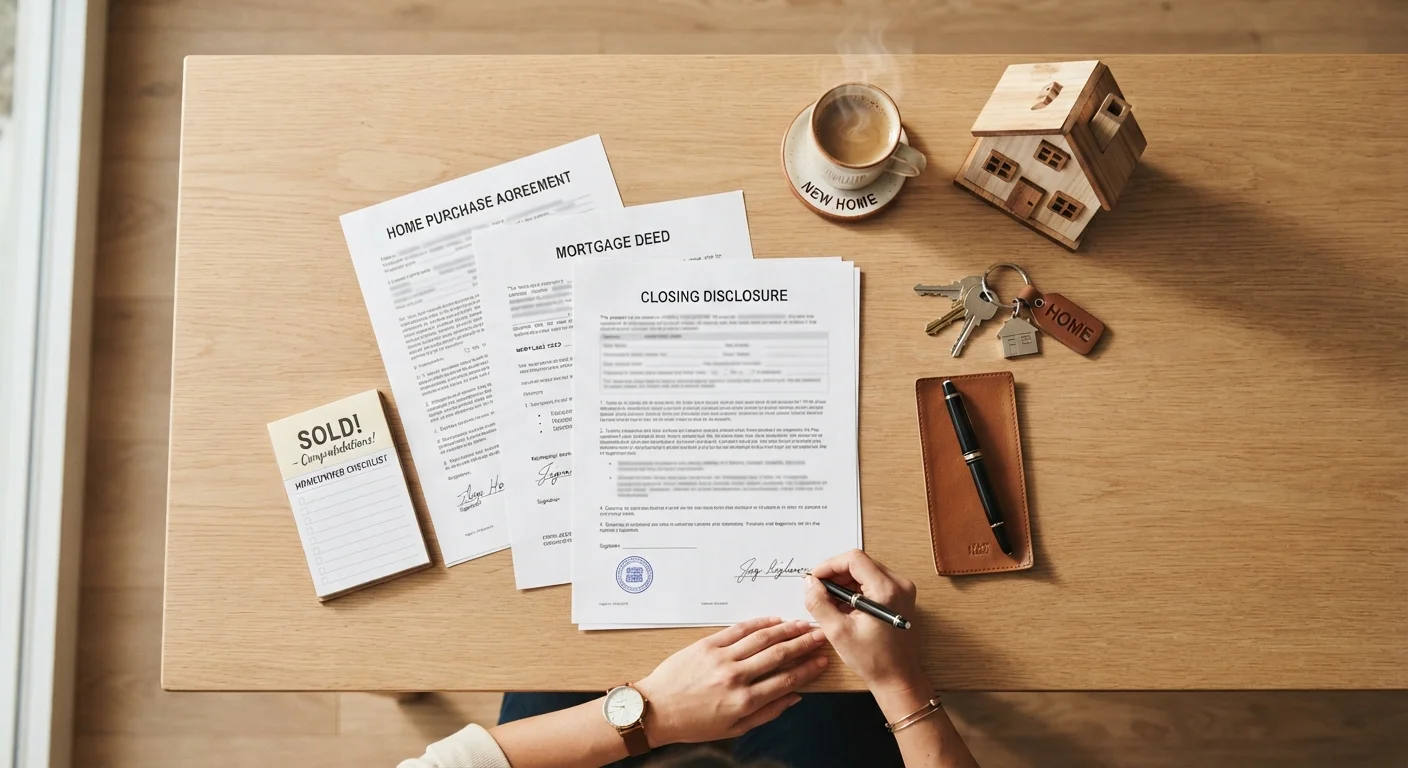
Photo: AscendWit.com | Explore Engaging Blogs. editorial
Key Takeaways
- Closing costs typically range from 2% to 5% of the home's purchase price.
- They are separate from your down payment and must usually be paid upfront at closing.
- Closing costs include lender fees, third-party service fees, and government charges.
- Some closing costs are negotiable or can be rolled into the loan in certain situations.
- Federal law requires lenders to give you a written estimate before closing.
Why Closing Costs Exist
When you purchase a home, the transaction involves far more than a handshake and a check. Multiple parties - lenders, attorneys, title companies, government agencies, and inspectors - each perform a specific service to make the transfer of property legal, secure, and properly recorded. Closing costs are how those services get paid for.
Understanding this is important because many first-time buyers are caught off guard by the total amount due at closing. If you're already weighing the broader financial picture, our guide on renting vs. buying a home can help you put these costs in context. And much like the sticker price on a car, the listed price of a home tells only part of the financial story - a pattern explored in the true cost of car ownership.
2%-5%
Typical closing cost range as share of purchase price
This commonly cited range is used by mortgage lenders and housing educators to help buyers estimate upfront costs; actual amounts vary by loan type, location, and transaction specifics.
3 days
Time lender has to deliver your Loan Estimate
Under federal TRID rules, lenders must provide a Loan Estimate within three business days of receiving a completed loan application, giving buyers time to review and compare.
$6,000-$15,000
Estimated closing costs on a $300,000 home
Applying the 2%-5% guideline to a $300,000 purchase illustrates how significant these costs can be - underscoring the need to budget for them separately from the down payment.
The Main Categories of Closing Costs
Closing costs fall into three broad categories: lender fees, third-party service fees, and prepaid items or escrow deposits.
Lender Fees
These are charges from your mortgage lender for processing and underwriting your loan. Common examples include:
- Origination fee: A charge for creating the loan, sometimes expressed as a percentage of the loan amount.
- Discount points: Optional prepaid interest that can lower your mortgage rate. Each point equals 1% of the loan amount.
- Application and underwriting fees: Administrative costs for reviewing and approving your loan file.
Third-Party Service Fees
These cover services performed by companies other than your lender:
- Title search and title insurance: Ensures the seller has legal ownership and protects you against future ownership disputes.
- Appraisal fee: Pays for an independent assessment of the home's market value, required by most lenders.
- Home inspection fee: Covers a professional inspection of the property's condition (sometimes paid before closing).
- Settlement or closing fee: Paid to the title company or attorney managing the closing.
- Survey fee: Verifies the property's boundaries, required in some states or situations.
Prepaid Items and Escrow Deposits
These aren't fees in the traditional sense - they're amounts collected upfront to cover future costs:
- Homeowners insurance premium: Often paid one year in advance at closing.
- Property tax deposits: Your lender may collect several months of taxes to fund your escrow account.
- Prepaid mortgage interest: Interest owed from the closing date through the end of that month.
Compare Loan Estimates Before Committing
Government Taxes and Recording Fees
Beyond lender and service fees, buyers also pay government-mandated charges. These vary significantly by state and county:
- Transfer taxes: A tax on the transfer of property ownership from seller to buyer. Some states charge this to the seller, some to the buyer, and some split it.
- Recording fees: Charged by the local government to officially record the new deed and mortgage documents in the public record.
These costs are generally non-negotiable because they are set by law. Researching your specific state and county rules - or asking your real estate agent - will give you a clearer picture of what to expect. For a broader look at the financial responsibilities that come with homeownership, see the hidden costs of owning vs. renting.
How to Prepare and What to Review
Once you apply for a mortgage, your lender is required to send a Loan Estimate - a standardized three-page document listing all projected closing costs. Review every line item carefully and ask your lender to explain anything that is unclear.
At least three business days before closing, you'll receive a Closing Disclosure, which shows the final, confirmed figures. Compare it against your Loan Estimate and flag any unexpected changes.
A few practical steps can help you prepare:
- Ask your lender early on for a realistic estimate of total closing costs for your loan type and purchase price.
- Shop for certain third-party services - such as title insurance and settlement fees - where permitted, since prices can vary.
- Ask your real estate agent whether requesting seller concessions (where the seller covers some closing costs) is reasonable in your market.
- Keep closing cost funds in a liquid, accessible account well before the closing date.
For a full walkthrough of the home-buying process from search to closing, see navigating your first home purchase.
This article is for general informational and educational purposes only and does not constitute financial, legal, or real estate advice. Consult a licensed mortgage professional, real estate attorney, or financial adviser for guidance specific to your situation.
Frequently Asked Questions
The content on this site is for informational purposes only and is not a substitute for professional advice. Always consult a qualified professional for guidance specific to your situation.