
Gutters: How They Work, Why They Fail, and How to Keep Them Clear

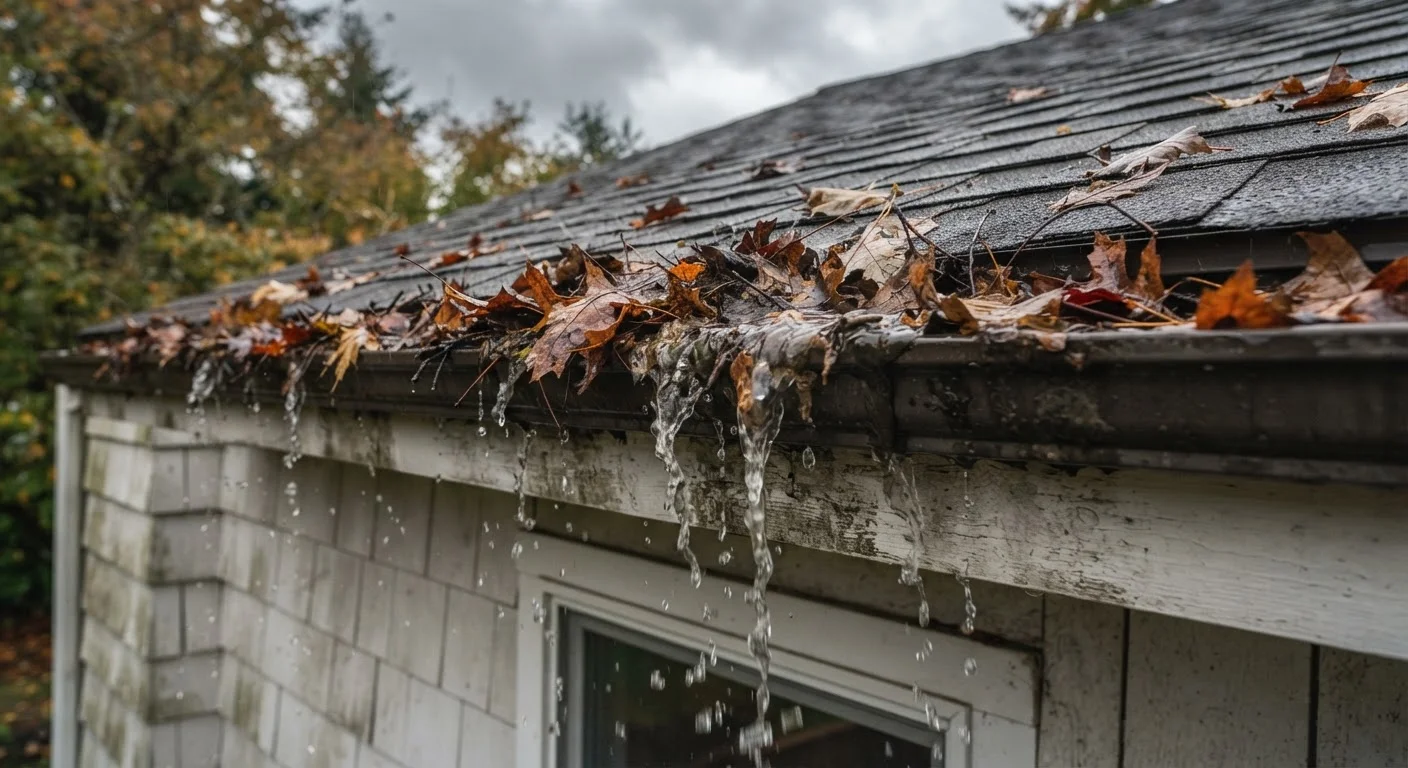
Photo: AscendWit.com | Explore Engaging Blogs. editorial
Key Takeaways
- Gutters channel rainwater away from your foundation, siding, and landscaping.
- Clogs, improper slope, and failing seams are the three most common gutter problems.
- Most gutters should be cleaned at least twice a year - more in heavy-tree areas.
- Working at height on a ladder carries real risk; know when to hire a professional.
- Catching gutter problems early prevents far more expensive repairs downstream.
What Gutters Actually Do
Gutters are horizontal troughs attached along the roofline that collect rainwater and snowmelt as it runs off your roof. Downspouts then carry that water vertically down the side of the house and discharge it away from the foundation. Without this system, every rainstorm would send sheets of water cascading directly against your siding, pooling against your foundation, and saturating the soil immediately around your home.
The consequences of that uncontrolled runoff can be serious: foundation cracks and settling, basement flooding, rotting fascia boards (the wooden boards gutters attach to), eroded landscaping, and staining or damage to siding. Gutters are, in short, a first line of defense for the structural integrity of your home - which is why keeping them functional matters more than most homeowners realize.
For a broader look at which home systems deserve regular attention, see our guide for first-time owners.
$10,000+
Potential cost of foundation water damage
Foundation repairs from chronic water intrusion - often linked to failed gutters - can range from moderate to very costly depending on severity and region.
2x/year
Minimum recommended gutter cleaning frequency
Most home maintenance professionals recommend cleaning gutters at least twice annually, with more frequent cleaning for heavily wooded properties.
¼ inch
Recommended slope per 10 feet of gutter run
This is the commonly cited pitch standard for ensuring water flows toward downspouts rather than pooling in the trough.
Common Gutter Failure Points
Gutters fail in predictable ways. Understanding the failure modes helps you spot problems before they escalate.
- Clogs: Leaves, seedpods, shingle granules, and debris accumulate in the trough and block water flow. Water backs up, overflows, or sits stagnant - eventually rotting the fascia or seeping under roofing material.
- Improper slope (pitch): Gutters must slope slightly toward downspouts - typically about a quarter inch of drop per 10 feet of run. If gutters sag or were installed level, water pools rather than drains.
- Failing seams and joints: Sectional gutters (those made of joined pieces) develop leaks at the seams over time as sealant ages or metal expands and contracts. These drips can silently rot the fascia behind them.
- Loose hangers: The metal brackets or spikes holding gutters to the fascia can pull away, causing gutters to sag, separate from the roofline, or pull fascia boards with them.
- Downspout blockages: Even clean gutters fail if downspouts are clogged. Water backs up into the gutter trough, accelerating every other problem.
- Undersized system: A gutter system that wasn't sized for the roof area or local rainfall intensity will overflow in heavy rain regardless of how clean it is.
Overflowing Gutters Are Not Always Clogged
How to Inspect Your Gutters
A gutter inspection doesn't require climbing a ladder every time. Start from the ground during or immediately after a rainstorm: watch whether water flows freely out of downspouts, and look for water spilling over the front edge of the gutter - a clear sign of a clog or pitch problem.
When conditions are dry and safe, a closer inspection from a ladder adds important detail. Look for:
- Visible debris accumulation in the trough
- Standing water or water stains indicating poor pitch
- Rust, cracks, or holes in metal gutters
- Sealant failures at seams (look for dried, cracked, or missing caulk)
- Fascia boards that feel soft or look discolored - signs of rot from prolonged moisture exposure
- Hangers that are loose, bent, or missing
Also check the ground around downspout outlets: if soil is heavily eroded or water pools close to the foundation, your discharge point may need a splash block or downspout extension to move water further away.
Water intrusion around your home's exterior often affects interior wet areas too. Our article on maintaining grout and sealant in wet areas covers the interior side of moisture protection.
After flushing gutters with a hose, stand back and watch the downspout outlet for a full 30 seconds - slow trickle rather than steady flow often signals a partial blockage still inside the downspout.
If you find yourself resealing the same seam every year, consider having that section replaced with a seamless gutter section - the long-term cost is often lower than repeated repairs.
Safe Gutter Cleaning Practices
Cleaning gutters is one of the most common DIY home maintenance tasks - and one of the most common causes of fall injuries. Ladder safety is not optional.
- Use a stable, properly rated ladder. A four-legged stepladder or an extension ladder with a ladder standoff (also called a ladder stabilizer) that holds the ladder away from the gutter is safest. Never lean a ladder directly against the gutter itself - it can bend or pull away.
- Work with a helper. Have someone hold the base of the ladder and hand up tools if needed.
- Scoop debris by hand or with a gutter scoop. Wear waterproof gloves - debris in gutters can harbor mold, bacteria, and sharp shingle granules. Drop debris into a bucket rather than onto landscaping or the roof.
- Flush with water. After removing solid debris, run a garden hose from the end farthest from the downspout toward the downspout. This confirms flow and reveals any remaining blockages.
- Clear downspouts. If water backs up at the downspout opening, use a plumber's snake or direct the hose nozzle into the downspout with pressure to dislodge the clog.
- Reseal any open seams. Use gutter-specific sealant (available at hardware stores) applied to clean, dry metal on the inside of the joint.
Consider Gutter Guards - With Realistic Expectations
When to Call a Professional
Not every gutter job is suitable for DIY. Call a licensed professional when:
- Your roofline is more than one story high, or the terrain around your home makes safe ladder placement difficult.
- Fascia boards are rotted and need replacement - this is carpentry work that can affect roof edge integrity.
- You suspect the gutters are undersized or improperly pitched and need repositioning or replacement.
- You notice water intrusion in your attic or basement that may be related to gutter overflow - this warrants a fuller assessment.
When evaluating contractors, ask for written estimates from more than one company, verify they are licensed and insured in your state, and ask specifically what the work includes (cleaning only, resealing, rehinging, full replacement). Our related article on common home maintenance myths addresses how DIY shortcuts can sometimes create larger problems.
Falls From Ladders Are a Leading Cause of Injury
Gutter Maintenance Schedule
The right cleaning frequency depends on your environment, but a general framework applies to most homes:
| Frequency | Situation |
|---|---|
| Twice per year | Most homes - once in late spring, once in late fall after leaves drop |
| Three to four times per year | Homes surrounded by pine trees or heavy deciduous canopy |
| After major storms | Any home after heavy wind events that deposit large debris loads |
Beyond cleaning, inspect hangers and seams annually. Even gutters that drain well can have developing joint failures that a quick visual check will catch early. Pair gutter upkeep with other annual checks - including attic and crawl space inspections - to build a complete picture of your home's moisture management.
Budgeting for professional cleaning or repairs is worth factoring into your overall home maintenance plan. For guidance on how to think about setting money aside, see our piece on building a home maintenance fund.
“The gutter is the most ignored component of a home until it fails - and by then, the damage is usually to something far more expensive than the gutter itself.”
— National Association of Home Inspectors, Professional organization representing certified home inspectors across the United States
The content on this site is for informational purposes only and is not a substitute for professional advice. Always consult a qualified professional for guidance specific to your situation.