
Micronutrients at a Glance: A Plain-English Reference to Vitamins and Minerals

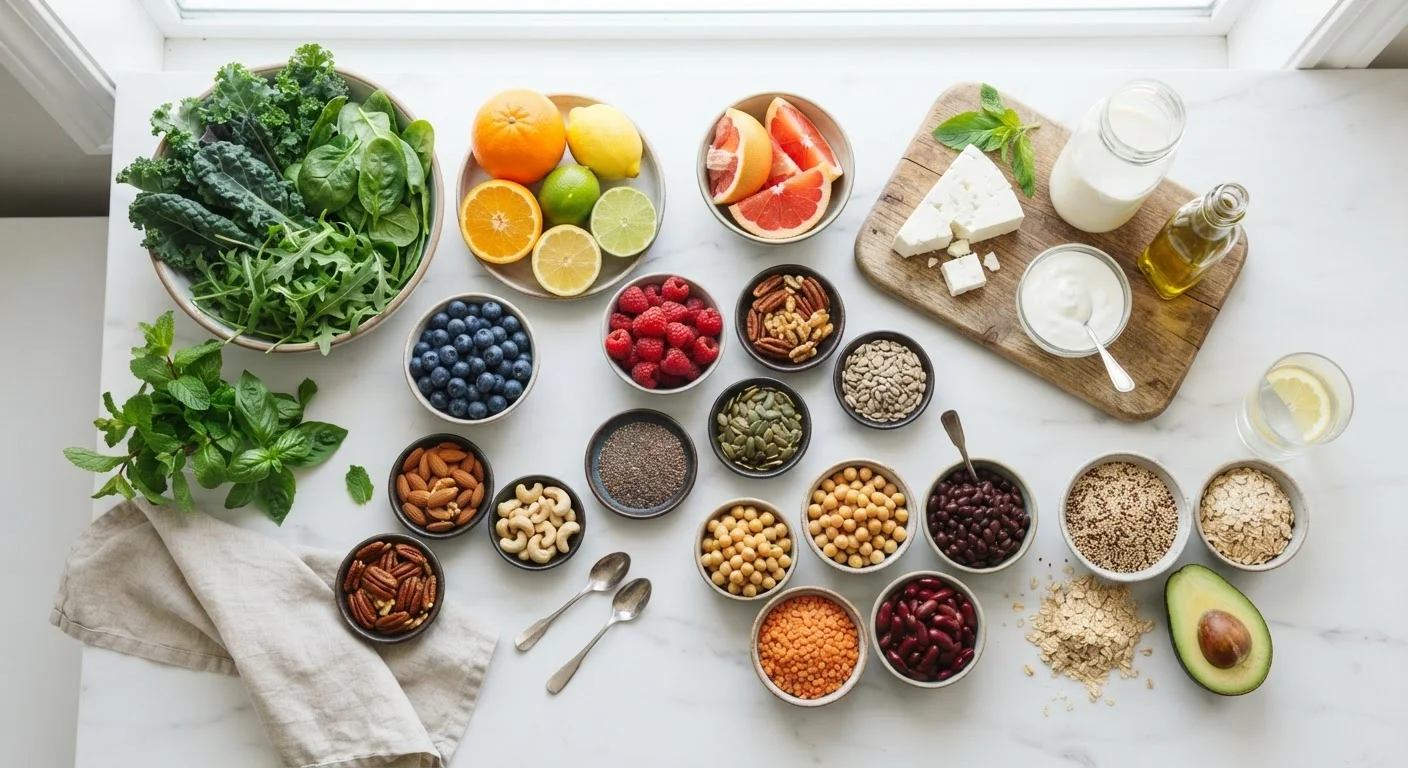
Photo: AscendWit.com | Explore Engaging Blogs. editorial
What Are Micronutrients-and Why Do They Matter?
Micronutrients are vitamins and minerals your body needs in relatively small amounts but cannot function without. Unlike macronutrients like carbs, protein, and fat, micronutrients don't supply calories. Instead, they act as essential regulators-enabling enzyme reactions, supporting immunity, building bone, and keeping nerves firing correctly.
The human body can synthesize a handful of micronutrients on its own (vitamin D from sunlight, for example), but most must come from food. Falling short of even one over time can quietly affect how you feel and function, often long before a clinical deficiency is diagnosed.
This reference covers the micronutrients most relevant to everyday American adults, organized by their primary roles. It is general nutrition education, not personalized medical advice. Always consult a qualified healthcare professional about your specific nutritional needs.
| Total essential vitamins | 13 (National Institutes of Health Office of Dietary Supplements) |
| Fat-soluble vitamins | A, D, E, K |
| Water-soluble vitamins | 8 B vitamins + Vitamin C |
| Most common deficiency in the US | Vitamin D (NHANES data, CDC) |
| Most common global deficiency | Iron (iron-deficiency anemia) (World Health Organization) |
| Mineral most abundant in the body | Calcium (~99% stored in bones and teeth) (National Institutes of Health) |
Fat-Soluble Vitamins: A, D, E, and K
Fat-soluble vitamins are stored in body fat and the liver, meaning they accumulate over time. This is useful during periods of low intake-but it also means excessive supplementation carries a risk of toxicity that water-soluble vitamins generally do not.
Fat-soluble vitamin
A vitamin (A, D, E, or K) that dissolves in fat and is stored in the body's fatty tissue and liver. Because these vitamins accumulate, excessive intake from supplements can lead to toxicity.
Water-soluble vitamin
A vitamin (B vitamins and vitamin C) that dissolves in water and is generally not stored in the body in significant quantities. Excess amounts are typically excreted through urine.
Heme iron
The form of iron found in animal products such as meat, poultry, and fish. It is absorbed more efficiently by the body than non-heme iron from plant sources.
Recommended Dietary Allowance (RDA)
The average daily intake level of a nutrient sufficient to meet the requirements of nearly all (97-98%) healthy individuals in a particular life stage and sex group, as established by the National Academies of Sciences.
Bioavailability
The proportion of a nutrient that is actually absorbed and used by the body. Bioavailability varies by food source, preparation method, and individual factors like gut health and age.
Deficiency
A state in which the body has an insufficient amount of a particular nutrient to carry out normal functions. Deficiencies can be subclinical (no obvious symptoms) or clinical (causing measurable health effects).
- Vitamin A - Supports vision (especially in low light), skin cell turnover, and immune defense. Found in liver, dairy, eggs, and as beta-carotene in orange and leafy-green vegetables. Deficiency is rare in the US but remains a leading cause of preventable blindness globally.
- Vitamin D - Critical for calcium absorption, bone density, and immune modulation. Synthesized through sun exposure; dietary sources include fatty fish, egg yolks, and fortified foods. Deficiency is common in northern latitudes and among people who spend limited time outdoors.
- Vitamin E - Acts as an antioxidant protecting cell membranes from oxidative damage. Found in nuts, seeds, vegetable oils, and leafy greens. Outright deficiency is uncommon in healthy adults.
- Vitamin K - Essential for blood clotting (K1) and bone metabolism (K2). Leafy greens are the richest dietary source of K1; K2 is found in fermented foods and some animal products. People on certain blood-thinning medications should discuss vitamin K intake with their doctor.
Water-Soluble Vitamins: The B Complex and Vitamin C
Water-soluble vitamins dissolve in water and are not stored in significant amounts, so consistent daily intake matters. Excess is generally excreted in urine, which lowers toxicity risk-but does not eliminate it at very high supplemental doses.
- B1 (Thiamin) - Converts carbohydrates to energy; supports nerve function. Found in whole grains, legumes, and pork.
- B2 (Riboflavin) - Energy metabolism and antioxidant activity. Found in dairy, eggs, lean meats, and fortified cereals.
- B3 (Niacin) - DNA repair, energy production, and skin health. Found in poultry, fish, peanuts, and fortified grains.
- B6 (Pyridoxine) - Amino acid metabolism, neurotransmitter synthesis, and immune function. Found in poultry, fish, potatoes, and bananas.
- B9 (Folate / Folic Acid) - DNA synthesis and cell division; critical during early pregnancy for neural tube development. Found in leafy greens, legumes, and fortified grains. Folic acid is the synthetic form used in supplements and fortified foods.
- B12 (Cobalamin) - Nerve health, red blood cell formation, and DNA synthesis. Found almost exclusively in animal products; a concern for vegans and older adults whose absorption declines with age.
- Vitamin C - Collagen synthesis, antioxidant defense, and iron absorption enhancement. Found in citrus, bell peppers, strawberries, and broccoli. Scurvy-the classic deficiency disease-is rare today but remains a benchmark for why vitamin C matters.
You can learn more about how these appear on food packaging in our guide to reading a Nutrition Facts label.
Supplements Are Not a Substitute for Food
Key Minerals: Calcium, Iron, Magnesium, Potassium, and Zinc
Minerals are inorganic elements sourced from soil and water that find their way into food. Like vitamins, they support a remarkable range of body functions.
42%
US adults with vitamin D insufficiency
Analysis of NHANES data published in Nutrition Research estimated that roughly 42% of American adults have insufficient vitamin D levels.
~10%
US women with iron deficiency
The CDC estimates approximately 10% of US women of childbearing age are iron deficient, making it one of the most prevalent micronutrient gaps domestically.
48%
Americans under-consuming magnesium
According to USDA dietary survey data, nearly half of Americans do not meet the estimated average requirement for magnesium from food alone.
- Calcium - The most abundant mineral in the body, primarily in bones and teeth. Also involved in muscle contraction and nerve signaling. Dairy, fortified plant milks, tofu made with calcium sulfate, and leafy greens are dietary sources.
- Iron - Carries oxygen in red blood cells (as part of hemoglobin). Found in red meat, poultry, fish (heme iron, more readily absorbed) and legumes, tofu, and fortified cereals (non-heme iron). Pairing non-heme iron sources with vitamin C improves absorption. Iron-deficiency anemia is one of the most common nutritional deficiencies worldwide.
- Magnesium - Involved in over 300 enzymatic reactions, including energy production, protein synthesis, and blood pressure regulation. Found in nuts, seeds, whole grains, and dark leafy greens. Many Americans fall short of the recommended intake.
- Potassium - Regulates fluid balance, muscle contractions, and nerve signals; helps counteract sodium's effect on blood pressure. Found in bananas, potatoes, beans, and dairy.
- Zinc - Immune function, wound healing, protein synthesis, and taste/smell perception. Found in shellfish, red meat, poultry, beans, nuts, and fortified cereals. Vegetarians may need to pay closer attention to zinc intake due to absorption-inhibiting compounds in plant foods.
For a broader picture of how nutrients fit together in your daily diet, see our comprehensive nutrition guide.
This article is for general informational and educational purposes only and does not constitute medical or nutritional advice. Speak with a licensed healthcare provider or registered dietitian regarding your individual health needs and before making significant dietary changes.
The content on this site is for informational purposes only and is not a substitute for professional advice. Always consult a qualified professional for guidance specific to your situation.