
The Building Blocks of a Balanced Weekly Exercise Routine

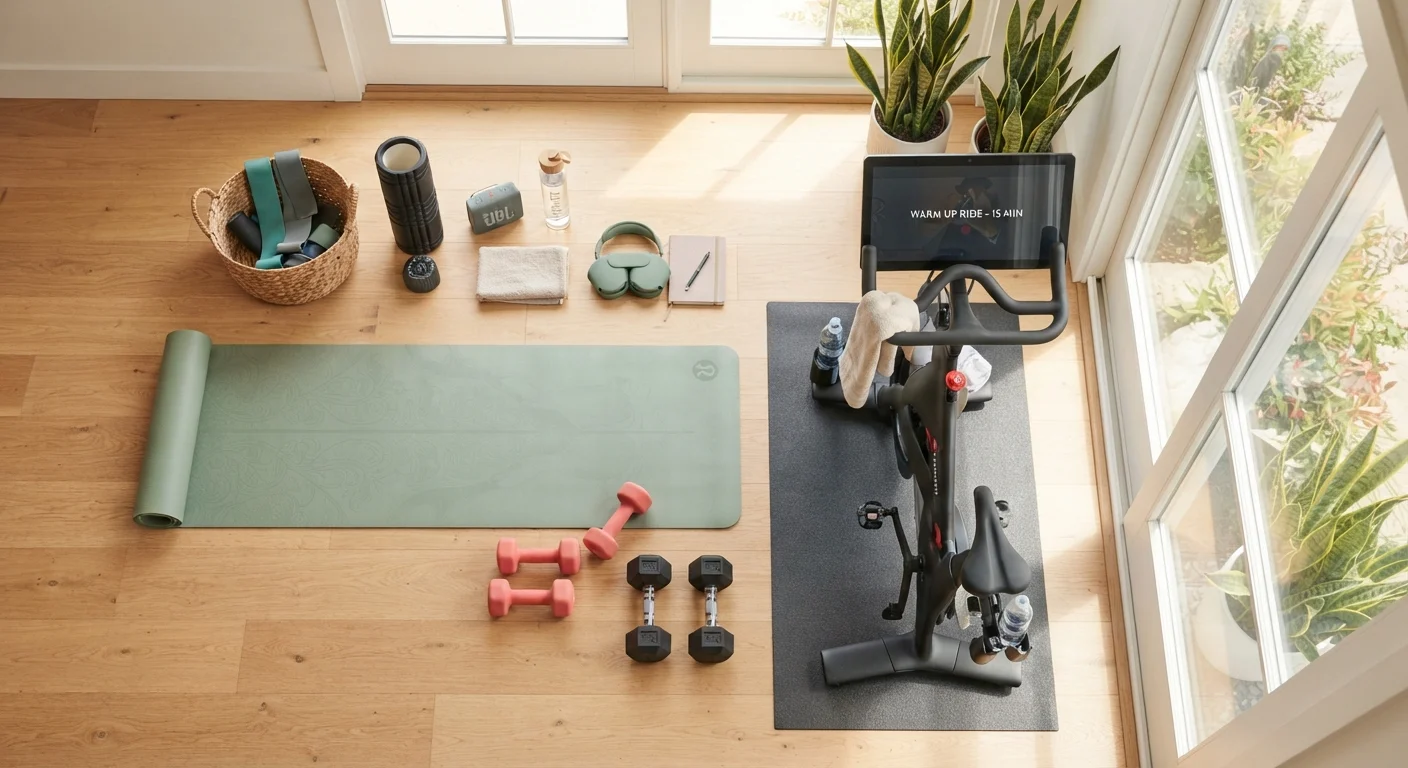
Photo: AscendWit.com | Explore Engaging Blogs. editorial
Key Takeaways
- A balanced routine combines cardio, strength, flexibility, and intentional rest.
- Current guidelines recommend at least 150 minutes of moderate aerobic activity weekly for most adults.
- Strength training at least two days per week supports muscle health, bone density, and metabolism.
- Flexibility and mobility work reduces injury risk and improves how you move daily.
- Rest days are not optional - they are when your body adapts and grows stronger.
- Variety across workout types helps prevent plateaus and keeps motivation high.
Why Balance Matters in a Weekly Routine
Most people think of exercise as a single category - you either work out or you don't. But a truly effective weekly plan draws from multiple types of movement, each serving a distinct purpose in your overall health. Focusing exclusively on one mode, like running every day or only lifting weights, can lead to imbalances, overuse injuries, and stalled progress.
The science behind exercise variety confirms that rotating movement types challenges your body in different ways, supporting broader fitness adaptations. Think of the four pillars - cardiovascular endurance, muscular strength, flexibility, and recovery - as building blocks that reinforce each other. A gap in any one of them can limit the effectiveness of the others.
Start Simple, Then Layer Complexity
Cardiovascular Exercise: The Heart of the Plan
Cardio, or aerobic exercise, is any sustained activity that raises your heart rate and challenges your cardiovascular system. Walking briskly, cycling, swimming, dancing, and jogging all count. The U.S. Department of Health and Human Services recommends that most adults aim for at least 150 minutes of moderate-intensity or 75 minutes of vigorous-intensity aerobic activity per week.
Those minutes don't need to happen in one long session. Breaking them into 20-30 minute blocks spread across the week is equally effective and often more sustainable for beginners. If you have a desk-bound lifestyle, even short bouts of movement throughout your day can support this goal - see our article on movement strategies for sedentary workers for practical ideas.
150 min
Weekly moderate cardio recommended for adults
Per the U.S. Department of Health and Human Services Physical Activity Guidelines for Americans.
2×/week
Minimum strength training sessions recommended
Major health authorities, including the CDC, recommend muscle-strengthening activity on at least two days per week.
~80%
Adults not meeting both cardio and strength guidelines
According to CDC data, most American adults fall short of meeting the full aerobic and muscle-strengthening recommendations.
Strength Training: Building a Resilient Body
Resistance or strength training involves working your muscles against force - using free weights, resistance bands, machines, or your own bodyweight. Major health organizations recommend strength-focused sessions at least two days per week, targeting all major muscle groups: legs, hips, back, core, shoulders, and arms.
Beyond building muscle, consistent strength training supports bone density, improves posture, boosts metabolic rate, and reduces the risk of injury during everyday activities. Beginners can start with bodyweight movements like squats, push-ups, and lunges before progressing to added resistance. Quality of movement always takes priority over the amount of weight lifted.
When starting strength training, focus on compound movements - exercises that work multiple muscle groups at once, like squats, rows, and push-ups - before isolating individual muscles. You'll build functional strength faster.
Schedule your workouts the same way you schedule appointments. Block the time on your calendar and treat it with the same level of commitment.
Flexibility and Mobility: The Overlooked Pillars
Flexibility refers to how far a muscle can lengthen, while mobility describes the functional range of motion in a joint. Both decline without regular attention and are among the most overlooked components of fitness.
Incorporating stretching - whether static after workouts or dynamic before them - helps maintain joint health, reduce muscle tension, and support better movement patterns. Yoga, Pilates, and dedicated mobility routines are all effective approaches. Even 10 minutes of targeted stretching after a cardio or strength session can yield meaningful improvements over time.
Dynamic vs. Static Stretching
Rest and Recovery: Why Doing Less Is Part of the Plan
Rest days are often treated as a sign of weakness or laziness, but the opposite is true. Physical adaptation - getting stronger, faster, or more flexible - happens during recovery, not during the workout itself. Exercise creates microscopic stress on muscle fibers; rest allows your body to repair and build them back up stronger.
Most adults benefit from one to two intentional rest days per week, especially when strength training is involved. Rest doesn't have to mean complete inactivity - gentle walking, light stretching, or a short yoga session qualifies as active recovery. Prioritizing sleep and adequate nutrition during these windows amplifies the benefits. A well-structured weekly routine is also closely linked to mental well-being, which you can explore through our guide to building a daily mental wellness routine.
Overtraining Is a Real Risk
Putting It All Together: A Sample Weekly Framework
No single schedule works for everyone, but a general structure for a balanced five-day active week might look like this:
- Day 1: Moderate cardio (30 minutes brisk walking, cycling, or swimming)
- Day 2: Full-body strength training (bodyweight or light resistance)
- Day 3: Active recovery (gentle yoga or stretching)
- Day 4: Cardio with some intensity variation (intervals or a longer walk)
- Day 5: Strength training, emphasizing different muscle groups than Day 2
- Days 6-7: Rest or light movement as needed
This framework aligns with current public health recommendations and is flexible enough to adapt to your schedule. For step-by-step guidance on making this kind of plan stick long term, our article on building a weekly exercise schedule that actually sticks offers practical scheduling strategies. The Fitness Basics hub is also a helpful starting point for newcomers to structured exercise.
This article is for general informational and educational purposes only and does not constitute medical or professional fitness advice. Consult a qualified healthcare provider or certified fitness professional before starting a new exercise program, especially if you have an existing health condition or injury.
The content on this site is for informational purposes only and is not a substitute for professional advice. Always consult a qualified professional for guidance specific to your situation.