
Building a Weekly Exercise Schedule That Actually Sticks

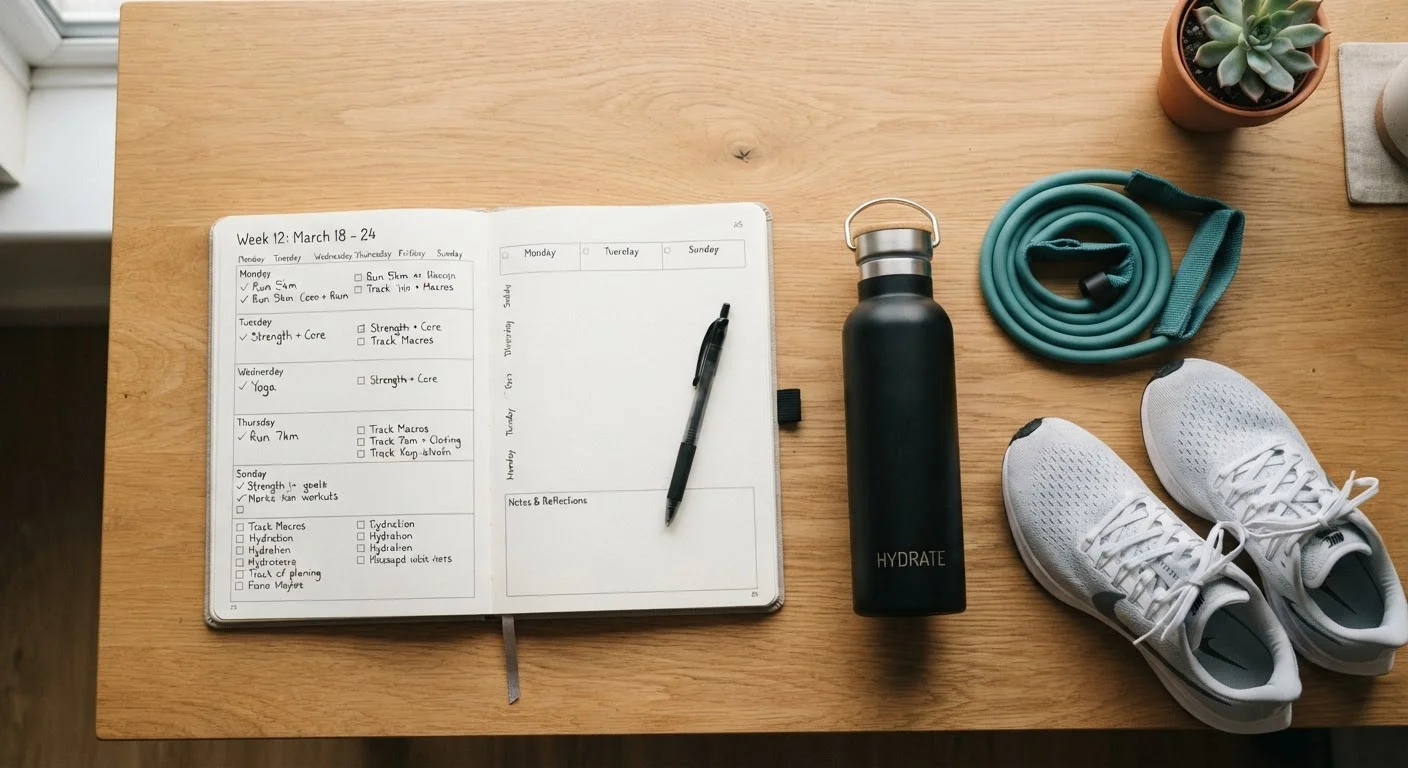
Photo: AscendWit.com | Explore Engaging Blogs. editorial
Key Takeaways
- Consistency matters more than intensity - a moderate schedule you follow beats an aggressive one you abandon.
- A balanced weekly plan includes cardio, strength, flexibility, and intentional rest days.
- Scheduling workouts like appointments dramatically improves follow-through.
- Starting with two to three sessions per week is sustainable for most beginners.
- Recovery days are not wasted days - they are essential to long-term progress.
Why Most Exercise Schedules Fail Before Week Three
Most people who set out to exercise regularly hit a wall within the first few weeks - not because they lack willpower, but because their plan was never designed to fit their actual life. A schedule built around what you think you should do, rather than what you can realistically sustain, tends to collapse under the weight of ordinary life events: a late meeting, a poor night's sleep, or simply running out of energy.
If this sounds familiar, you are not alone - and the fix is structural, not motivational. The behavioral principles behind lasting exercise habits show that environment design and realistic expectations consistently outperform sheer determination. Building a schedule that sticks means starting with honesty about your time, your current fitness level, and what kinds of movement you can tolerate - and ideally enjoy.
If you are starting completely from scratch, our guide on starting a fitness routine when you've never really exercised is a useful read before diving into scheduling.
What you will need
What a Balanced Week Actually Looks Like
A well-structured week does not mean working out every day. For most people - especially beginners - two to four intentional sessions per week is both sufficient and sustainable. What matters is that those sessions cover different physical demands.
General movement guidance from health authorities suggests that adults benefit from a mix of moderate aerobic activity, muscle-strengthening work, and mobility or flexibility practice across the week. This does not require a gym membership or specialized equipment. A brisk walk counts as cardio. Bodyweight squats count as strength training. A ten-minute stretch before bed counts as flexibility work.
The building blocks of a balanced weekly routine - cardio, strength, flexibility, and rest - each serve a distinct purpose. Skipping any one of them consistently can create imbalances or slow your progress over time.
Start Smaller Than You Think You Should
Rest days deserve deliberate placement in your schedule, not just the spaces left over. Active recovery - light walking, gentle stretching, or yoga - on rest days supports muscle repair without adding stress to the body. If you work a desk job, consider pairing recovery days with strategies from our article on movement strategies for desk-bound workdays to keep circulation going without overloading tired muscles.
Audit your week before you schedule anything
Look at a typical week and identify when you genuinely have 20-45 minutes available - not in theory, but in practice. Consider commute times, work hours, family responsibilities, and energy patterns. Are you a morning person or do you consistently feel most alert in the evenings? Scheduling workouts when your energy naturally peaks improves follow-through significantly.
Choose a session frequency you can commit to this month
Resist the urge to plan five days per week if two or three is more honest. Starting with fewer sessions and building gradually is far more effective than overcommitting and burning out. A reasonable starting framework for beginners is two strength-focused sessions and one cardio session per week, with the remaining days as rest or light activity.
Assign session types to specific days
Once you know how many days you will work out, decide what type of movement happens on each day. Avoid scheduling two intense strength sessions back-to-back - the same major muscle groups need 48 hours to recover. A simple structure might look like: strength on Monday and Thursday, cardio on Wednesday, and flexibility or light movement on the weekend.
Block workout time as a non-negotiable appointment
Add your sessions to your calendar exactly as you would a meeting or medical appointment. Give each block a specific start time, duration, and location (home, gym, park). Vague intentions like "I'll work out sometime Tuesday" rarely survive contact with a busy day. Specificity removes the decision-making burden in the moment.
Build in a weekly review and adjust as needed
At the end of each week, spend five minutes reviewing what happened. Did you complete all sessions? If not, why? Were any sessions too long, too intense, or poorly timed? Use this information to fine-tune the following week's plan. A schedule that evolves with your life is far more durable than one set in stone on day one.
Keeping Momentum After the First Month
The first few weeks carry novelty and motivation. Weeks four through eight are where most routines quietly unravel. Two strategies help bridge this gap: variety and self-monitoring.
Doing the exact same workout every session feels efficient but can actually stall progress and breed boredom. Rotating movements and intensity levels keeps the body adapting and the mind engaged. This does not mean reinventing your plan weekly - swapping one cardio style for another, or alternating between upper- and lower-body strength days, is enough.
Self-monitoring - even something as simple as checking off completed sessions in a paper calendar - creates a visual record of effort that reinforces continued behavior. If you notice your progress has plateaued despite showing up consistently, there may be less obvious factors at play; our article on underestimated reasons fitness progress stalls explores those gaps in detail.
Watch for the All-or-Nothing Trap
This article is for general informational purposes only and is not a substitute for personalized advice from a qualified healthcare or fitness professional. If you have any health conditions or have been inactive for an extended period, consult a healthcare provider before beginning a new exercise program.
The content on this site is for informational purposes only and is not a substitute for professional advice. Always consult a qualified professional for guidance specific to your situation.