
Debt Consolidation: What It Is and How It Generally Works

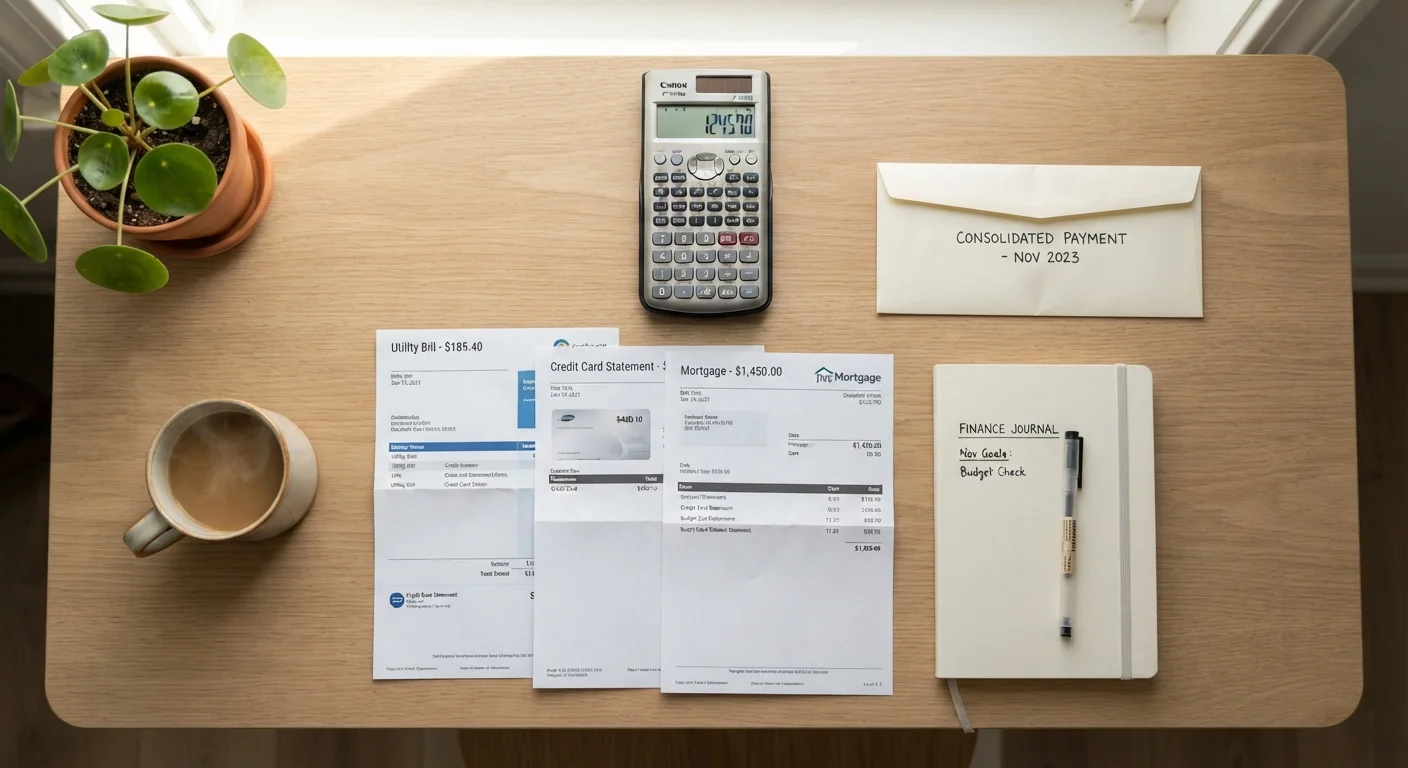
Photo: AscendWit.com | Explore Engaging Blogs. editorial
Key Takeaways
- Debt consolidation combines multiple debts into one payment but does not reduce the total amount owed.
- A lower interest rate is one of the main potential benefits, but it depends on your credit profile.
- Some consolidation methods use secured collateral (like a home), which increases risk if payments are missed.
- Consolidation works best alongside a plan to avoid accumulating new debt.
- Consulting a nonprofit credit counselor can help you evaluate options without a sales bias.
The Core Idea Behind Consolidation
If you are juggling several monthly debt payments - a credit card here, a medical bill there, a store card somewhere else - debt consolidation offers a way to pull those obligations together. Instead of tracking multiple due dates, interest rates, and minimums, you make a single payment toward one debt.
The financial logic is straightforward: if that single new debt carries a lower interest rate than the average across your existing balances, you may pay less in interest over time. However, the actual savings depend heavily on the rate you qualify for, the repayment term, and whether you continue to use credit responsibly after consolidating.
For foundational context on managing debt and savings together, see our introduction to savings and debt basics.
~$1.13T
U.S. revolving consumer credit outstanding
According to Federal Reserve data, Americans carry well over a trillion dollars in revolving credit - mostly credit card balances - underscoring how common multi-debt situations are.
20%+
Average credit card interest rate
Federal Reserve data has shown average credit card interest rates exceeding 20%, making the potential rate reduction from consolidation meaningful for qualifying borrowers.
3-5 years
Typical debt management plan duration
Nonprofit credit counseling agencies typically structure debt management plans to be completed within three to five years, providing a clear payoff horizon.
Common Consolidation Methods
There is no single way to consolidate debt. The right approach depends on how much you owe, your credit history, and what assets or income you have available.
- Personal loan: You borrow a fixed amount from a bank, credit union, or online lender and use the funds to pay off existing debts. You then repay the personal loan in fixed monthly installments. For a closer look at this path, see the pros and cons of using a personal loan for credit card debt.
- Balance transfer credit card: Some cards offer a low or 0% introductory APR for a set period (often 12-21 months). You transfer existing balances onto the new card and work to pay them down before the promotional rate expires.
- Home equity loan or HELOC: Homeowners can borrow against the equity in their home, typically at a lower rate. The significant risk: your home becomes collateral, and missed payments could lead to foreclosure.
- Debt management plan (DMP): A nonprofit credit counseling agency negotiates with creditors on your behalf to reduce interest rates, then you make one monthly payment to the agency, which distributes funds to creditors. DMPs usually take three to five years.
Consider a Nonprofit Credit Counselor First
Potential Benefits and Real Trade-Offs
Consolidation is not a solution by itself - it is a tool. Understanding both sides clearly helps you decide whether it makes sense for your situation.
Potential benefits:
- Simplified repayment with one due date and one payment
- Possible interest savings if you secure a meaningfully lower rate
- A predictable payoff timeline, especially with a fixed-rate personal loan
- Reduced risk of missed payments from juggling too many accounts
Trade-offs to weigh:
- Extending your repayment term can lower monthly payments but increase total interest paid overall
- Origination fees, balance transfer fees, or closing costs can offset interest savings
- Secured options (home equity) put assets at risk
- Consolidating without changing spending habits can lead to re-accumulating debt
Your debt-to-income ratio is also worth reviewing, since lenders typically assess it when you apply for a consolidation loan.
“Consolidation can be a useful tool, but it only works if you address the underlying habits that led to the debt. Otherwise you risk finishing the loan with a fresh pile of balances on top of it.”
— National Foundation for Credit Counseling, Nonprofit consumer credit counseling organization
Consolidation vs. Other Repayment Strategies
Debt consolidation is one path among several. For people who prefer to stay with their existing debts and tackle them systematically, structured repayment methods can work well without taking on new credit. The debt avalanche and debt snowball methods are two well-known approaches: the avalanche prioritizes the highest-interest debt first to minimize total interest; the snowball focuses on the smallest balances first to build momentum.
Consolidation may complement these strategies or replace them depending on your circumstances. What matters most is that you have a clear repayment plan and are not simply deferring the problem.
It is also worth considering how debt repayment interacts with saving. Paying off high-interest debt often delivers a guaranteed effective return equal to the interest rate avoided - but maintaining some savings simultaneously can prevent new debt from forming when unexpected expenses arise. Explore that balance further in saving vs. paying off debt: understanding the trade-offs.
Consolidation Does Not Erase Debt
This article is for general informational purposes only and does not constitute personalized financial or legal advice. Consult a qualified financial professional before making decisions about your debt.
Frequently Asked Questions
The content on this site is for informational purposes only and is not a substitute for professional advice. Always consult a qualified professional for guidance specific to your situation.