
Why Budgets Fall Apart Mid-Month-and What Actually Fixes It

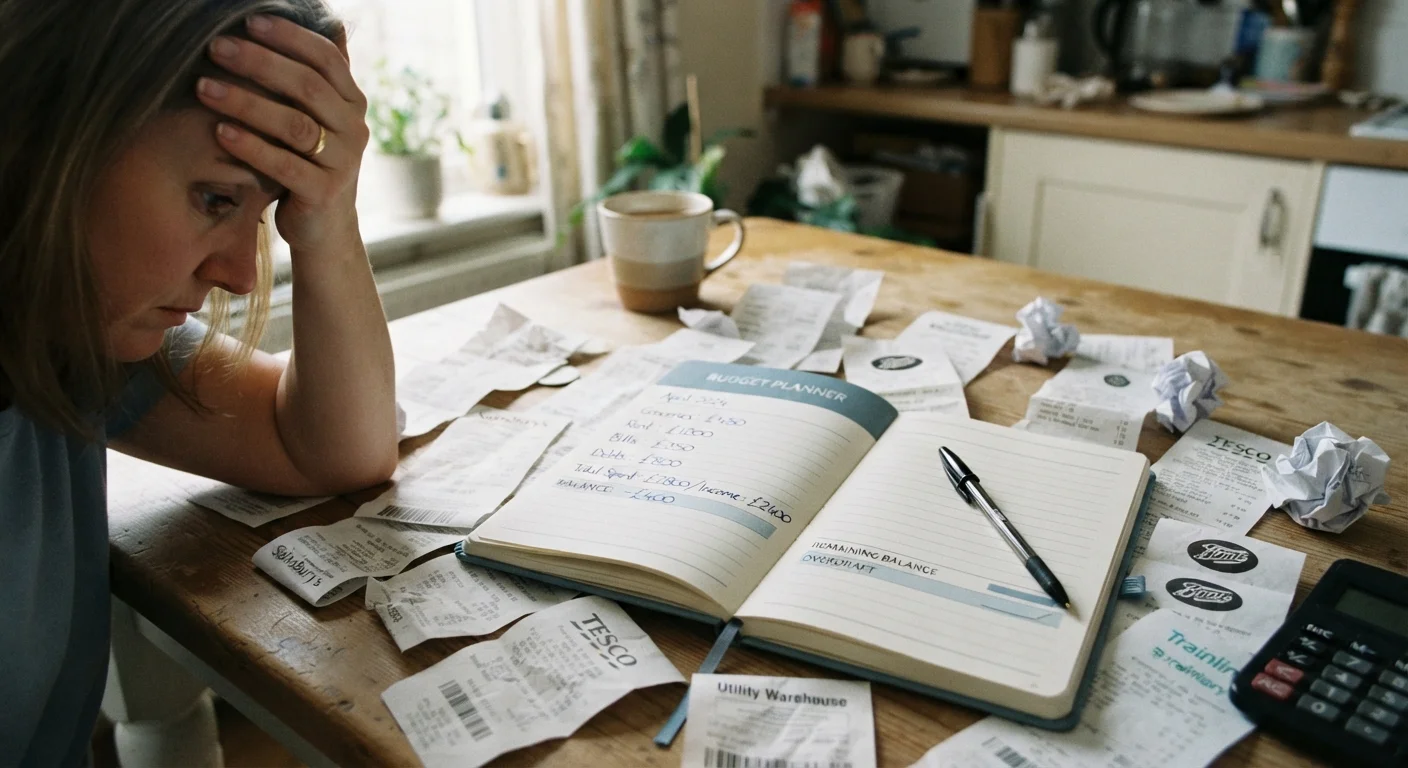
Photo: AscendWit.com | Explore Engaging Blogs. editorial
Key Takeaways
- Most mid-month budget failures stem from structural planning errors, not willpower.
- Irregular expenses like car repairs or medical bills derail budgets that only plan for monthly regulars.
- Tracking spending in real time - not at month's end - catches overage before it compounds.
- A budget that allows no flexibility tends to collapse under normal, everyday pressure.
- Small adjustments to how you categorize and review spending can dramatically improve consistency.
The Real Reason Budgets Break Down Mid-Month
If your budget looks solid on the first of the month but feels impossible by the fifteenth, you're not alone - and you're probably not the problem. Most household budget failures trace back to how the budget was built, not how much discipline someone has.
The most common culprit is a plan that only accounts for predictable, recurring bills. Rent, utilities, car payments - these are easy to budget because they're consistent. What breaks budgets are the expenses that are real but irregular: the dentist visit, the registration renewal, the birthday gift you forgot was coming. These don't appear on a monthly template, so they get left out - until they show up in your bank account.
If you've ever felt like you're starting over every month, it may be worth exploring some of the common misconceptions that stop people from building a working budget. Understanding what budgeting actually requires - rather than what people assume it requires - is often the first step toward a plan that holds.
Building a budget around fixed monthly bills only, ignoring irregular expenses.
Setting spending limits without tracking actual spending during the month.
Creating a budget with no buffer or flexibility category.
Underestimating how much you actually spend in variable categories like groceries and dining.
Treating a budget slip as a failure and abandoning the whole plan.
Practical Fixes That Actually Stick
The adjustments that make the biggest difference aren't dramatic overhauls - they're small structural changes that better reflect how money actually flows through a household.
~$400
Average unexpected expense households face
The Federal Reserve's Report on the Economic Well-Being of U.S. Households has consistently found that many adults would struggle to cover an unexpected $400 expense without borrowing or selling something.
1 in 3
US adults without a monthly budget
Surveys by the National Foundation for Credit Counseling have found that a significant share of American adults do not maintain a detailed household budget.
A mid-month spending check is one of the simplest and most effective habits you can adopt. Rather than waiting until the 30th to see what happened, a quick ten-minute review around the 15th lets you redirect before overage becomes unmanageable. A structured approach to this is covered in our end-of-month budget review checklist, which you can adapt to fit a mid-cycle check-in as well.
For households looking to go deeper, the complete household budgeting framework walks through cash flow analysis, category setup, and adjusting your plan as life changes - a solid foundation if you want to rebuild from scratch. And if consistency has been your challenge, research-backed habits that support long-term budgeting can help you stay on track month after month rather than relying on motivation alone.
Budgeting Is General Education, Not Personal Advice
This article is for general informational and educational purposes only and does not constitute personalized financial advice. Consult a qualified financial professional for guidance specific to your situation.
The content on this site is for informational purposes only and is not a substitute for professional advice. Always consult a qualified professional for guidance specific to your situation.