
Monthly Budget Review: What to Check Before the Month Ends

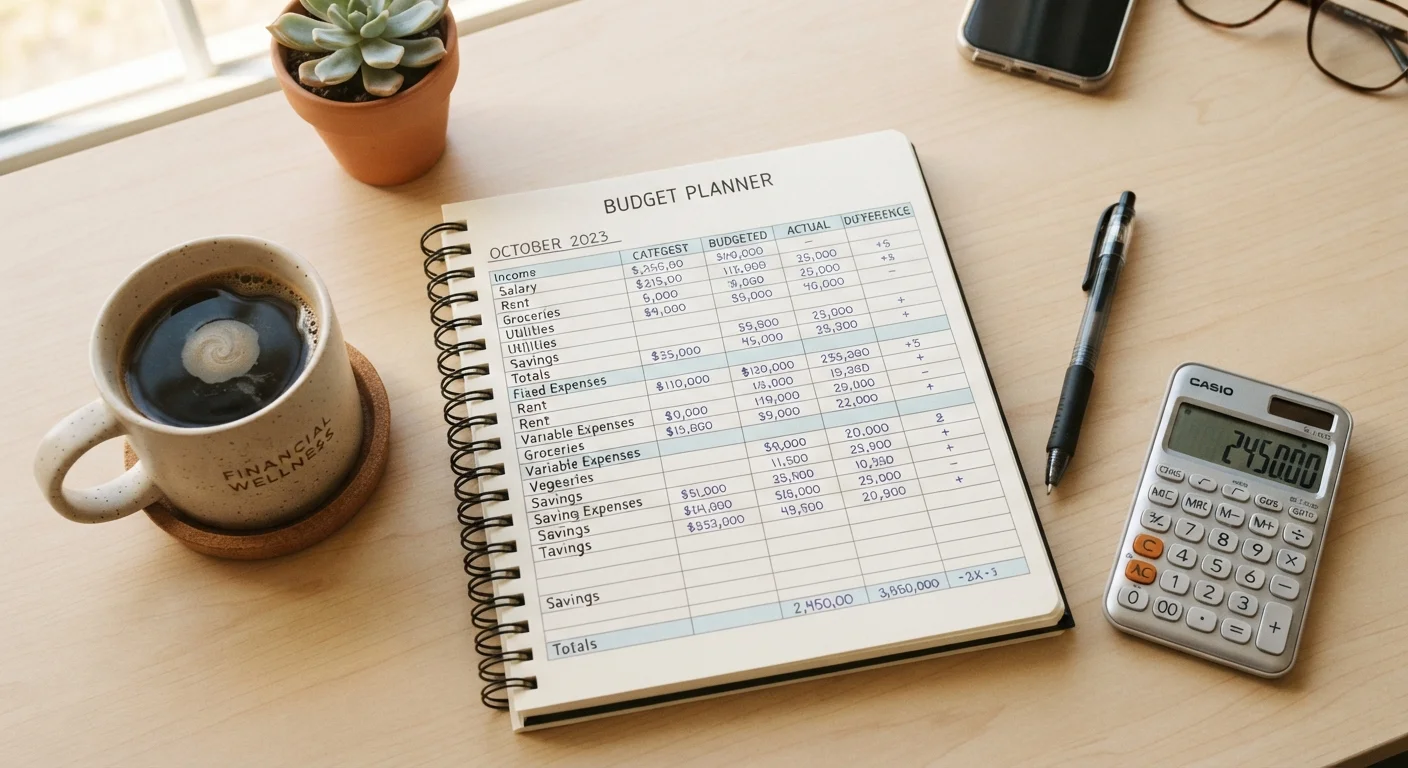
Photo: AscendWit.com | Explore Engaging Blogs. editorial
Key Takeaways
- Comparing actual spending to planned spending reveals where your budget needs adjusting.
- Irregular expenses like annual fees can surprise you - tracking them monthly prevents shortfalls.
- Small category tweaks each month compound into lasting financial stability over time.
- Reviewing your savings progress monthly keeps long-term goals from drifting off course.
- Noting what worked and what didn't builds better habits for the next budget cycle.
Why a Monthly Budget Review Matters
A budget isn't a set-it-and-forget-it document. Life shifts - an unexpected car repair, a higher utility bill, a spontaneous dinner out - and your spending rarely matches your plan exactly. That's normal. What separates households that stay on track from those that fall behind is the habit of looking back before moving forward.
A structured end-of-month review takes less than an hour and gives you clear data to work with. Instead of guessing why your account balance is lower than expected, you can see exactly which categories ran over, where you had room to spare, and what to adjust next month. Think of it as a financial debrief - not a moment for guilt, but a practical opportunity to recalibrate.
If you've struggled with budgets slipping mid-cycle, you're not alone. Understanding the root causes can help; see why budgets fall apart mid-month for a deeper look at what's really happening. This checklist is designed to work alongside that kind of insight - turning self-awareness into concrete monthly action.
One Review Won't Fix Everything - Consistency Does
What You'll Need Before You Start
Gather these resources before working through the checklist so the review stays efficient and uninterrupted.
Bank and credit card statements
Provides a complete record of every transaction from the past month for accurate reconciliation.
Your written budget (spreadsheet, notebook, or app)
Shows your planned category amounts so you can compare them against what you actually spent.
Budgeting app or spreadsheet with category totals
Speeds up the comparison step by automatically summing spending by category.
List of recurring bills and due dates
Helps you spot irregular expenses coming up in the next 30-60 days before they catch you off guard.
Savings account balance summary
Lets you verify progress toward your emergency fund and other savings goals in one step.
Your End-of-Month Checklist
Work through these groups in order. Each one builds on the last - starting with what actually happened this month, then adjusting your plan, and finally setting yourself up for success going forward.
Reconcile Your Actual Spending
Review Irregular and Upcoming Expenses
Adjust Category Allocations
Check Progress on Savings and Debt Goals
Set Intentions for Next Month
Avoid Skipping Months After a Hard One
Once you've completed a few monthly reviews, you'll start to notice patterns - recurring overspends in the same categories, savings that consistently fall short, or a surplus you haven't been putting to work. Those patterns are valuable. Let them guide your adjustments rather than reacting to each month in isolation. For a broader view of how consistent habits reinforce good budgeting, explore habits that make budgets work over time.
This monthly review pairs naturally with the broader structure in the complete household budgeting framework, and when you're ready to zoom out further, consider doing an annual savings and debt check-in once a year.
This article is for general informational and educational purposes only. It does not constitute personalised financial, tax, or legal advice. For guidance specific to your situation, consult a qualified financial adviser or other licensed professional.
The content on this site is for informational purposes only and is not a substitute for professional advice. Always consult a qualified professional for guidance specific to your situation.