
What a Household Budget Actually Is (and Why Most People Misunderstand It)

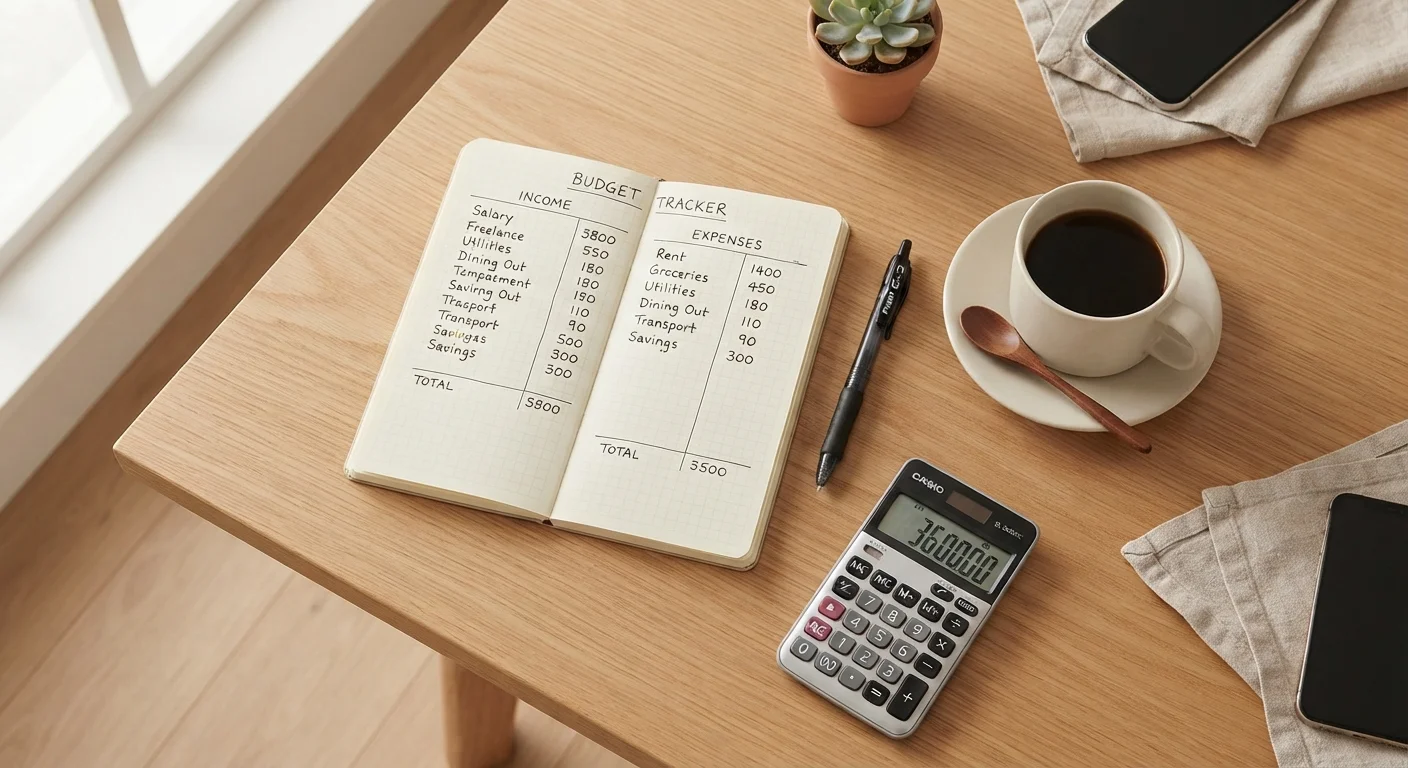
Photo: AscendWit.com | Explore Engaging Blogs. editorial
Key Takeaways
- A budget is a forward-looking plan, not a record of past spending.
- Income minus planned expenses - not willpower - is the core mechanic of any budget.
- Most households already have a budget; they just haven't written it down yet.
- Irregular expenses are the most common reason budgets feel inaccurate.
- A budget that fits your life will look different from someone else's - there is no single correct format.
The Core Idea: A Plan, Not a Prison
When most people hear the word "budget," they picture a spreadsheet full of restrictions - no dining out, no subscriptions canceled, no fun allowed. That mental image is one of the most persistent and damaging misunderstandings in personal finance.
A household budget is simply a plan for your money made before you spend it. You estimate how much income will arrive in a given month, list the expenses you expect to pay, and reconcile the two. If income exceeds expenses, you decide where that surplus goes - savings, debt repayment, or discretionary spending. If expenses exceed income, you find where to adjust before the shortfall becomes a problem.
That forward-looking quality is what separates a budget from merely tracking spending. Tracking tells you what happened. A budget tells you what you intend to happen. Both matter, but the budget is the steering wheel - tracking is the rearview mirror.
Start With What You Already Spend
What Most People Get Wrong About Budgets
The biggest misconception is that budgets are for people in financial trouble, or for people so disciplined they seem barely human. Neither is true. A budget is a neutral tool - like a calendar for your money - and it works precisely because it removes the guesswork that leads to financial stress.
A second widespread misunderstanding: many households assume they don't have a budget. In reality, every household operates on a de facto budget - you simply have a certain amount of money and certain obligations. The question isn't whether a budget exists, but whether it's been written down and examined. An unexamined budget can't be improved.
A third confusion involves confusing a budget with a fixed constraint. A well-built budget is meant to be adjusted. Life changes month to month - an annual car insurance payment, a medical bill, a school supply run - and a realistic budget accounts for those irregular expenses rather than pretending every month looks the same. To learn more about common misconceptions that prevent people from starting, see budget myths worth examining.
32%
Americans with a written monthly budget
According to a Gallup survey, fewer than one in three U.S. adults maintains a detailed household budget, despite widespread agreement that budgeting is important.
~$1,000
Median emergency fund savings gap
Federal Reserve data has consistently shown that a significant share of U.S. households would struggle to cover an unexpected $400-$1,000 expense without borrowing - a gap that planned saving within a budget can help close over time.
The Basic Structure of Any Household Budget
Regardless of the method you use - envelope system, 50/30/20 framework, zero-based budgeting - every household budget shares the same skeleton:
- Total net income: All money coming in after taxes - wages, freelance income, benefits, or any other reliable source.
- Fixed expenses: Bills that are the same every month, like rent or a mortgage payment, loan minimums, and subscriptions.
- Variable expenses: Costs that fluctuate - groceries, utilities, fuel, and dining.
- Irregular expenses: Annual or occasional costs like car registration, medical copays, or holiday gifts. These are often the biggest budget-busters because people forget to plan for them.
- Savings and debt repayment goals: Treated as expenses in the budget, not leftovers - this is the distinction that separates intentional saving from accidental saving.
Once these categories are filled in, the math is straightforward: income minus all planned expenses should equal zero (in a zero-based budget) or leave a deliberate surplus. If the number is negative, the plan needs to be revised before the month starts - not mid-crisis.
For a complete walkthrough of building this structure for your household, the complete household budgeting framework covers each step in detail.
Why Getting the Concept Right Matters
Understanding what a budget actually is - a map, not a cage - changes how you use it. People who view budgeting as deprivation tend to abandon it the first time an unplanned expense appears. People who view it as a planning tool treat those surprises as signals to update the plan, not proof that budgeting doesn't work.
Research in behavioral economics consistently finds that households with written spending plans tend to feel more in control of their finances, regardless of income level. The act of writing down intentions shifts financial decision-making from reactive to deliberate.
“A budget is telling your money where to go instead of wondering where it went.”
— John C. Maxwell, Author and leadership speaker, widely cited in personal finance education
If you're concerned your budget might be too rigid to survive real life, it's worth understanding why budgets slip mid-month and what fixes it. And building the right habits around your budget - not just the plan itself - is what creates lasting results, as explored in habits that make budgets work over time.
This article is for general informational purposes only and does not constitute personalized financial advice. For guidance specific to your situation, consider consulting a qualified financial professional.
Frequently Asked Questions
The content on this site is for informational purposes only and is not a substitute for professional advice. Always consult a qualified professional for guidance specific to your situation.