
Home Workouts vs. the Gym: What's Worth Knowing Before You Choose

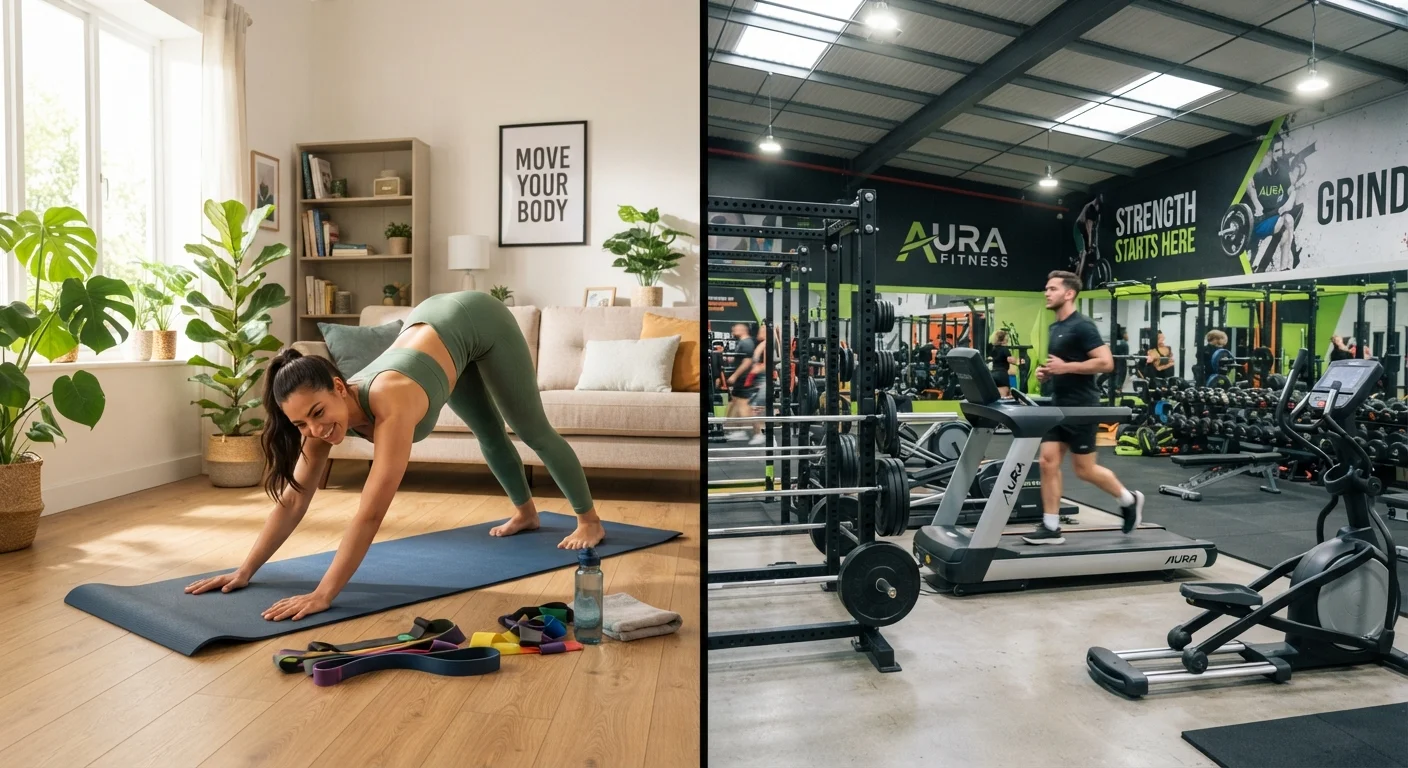
Photo: AscendWit.com | Explore Engaging Blogs. editorial
Key Takeaways
- Home workouts cost less upfront and remove commute barriers, but equipment access is limited.
- Gyms offer a wider variety of equipment and structured environments that can support motivation.
- Consistency matters more than location - the best setting is the one you'll actually use regularly.
- Many people find a hybrid approach, mixing both settings, works well long-term.
- Your goals, budget, and schedule should drive the decision, not trends or social pressure.
Why the Setting Question Actually Matters
When you decide to get more active, one of the first practical questions is where you'll actually do it. The location shapes your routine more than most people expect - it affects how often you show up, what exercises you can perform, and how much money leaves your wallet each month.
This isn't about which option is objectively better. Research consistently shows that exercise adherence (sticking with it over time) is more predictive of fitness outcomes than any specific training method or environment. If you're building a fitness habit from scratch, understanding the practical trade-offs between home and gym settings before you commit can save real time and frustration.
It's also worth knowing that these two options aren't mutually exclusive. Many people settle into a rhythm that blends both - strength sessions at the gym, morning stretches or cardio at home. Keep that flexibility in mind as you read through the comparisons below.
The Real Differences Between Home and Gym Training
Breaking this down across the factors that matter most to everyday exercisers:
| Home Workouts | Gym Membership | |
|---|---|---|
| Upfront cost | Low to moderate (optional equipment) | Low (joining fee varies) |
| Ongoing cost | None after setup | Monthly membership fee |
| Equipment access | Limited to what you own | Wide variety available |
| Commute required | None | Yes - travel time each session |
| Schedule flexibility | Anytime, fully flexible | Limited to facility hours |
| Social/motivational environment | Minimal external cues | Built-in fitness atmosphere |
| Space needed | Some floor space required | Provided by facility |
| Expert guidance access | Self-directed or via apps/video | Trainers available on-site |
A few of these rows deserve extra context. Equipment access is the biggest functional gap: gyms offer cable machines, free weights across a wide range, specialized cardio equipment, and more. At home, you're generally working with bodyweight, resistance bands, a set of dumbbells, or whatever space allows. For understanding how bodyweight and weighted exercises compare in practice, see our guide to bodyweight vs. free weights.
Cost is more nuanced than it first appears. Gym memberships have recurring monthly fees, while a home setup has a higher one-time cost for any equipment - but no ongoing payments after that. Over several years, a modest home setup can cost less than a mid-range gym membership.
Motivation, Accountability, and Environment
One of the most underestimated factors is the psychological dimension of your workout environment. Gyms provide a dedicated space where the sole purpose is exercise - this separation from everyday life helps some people mentally "switch on." The presence of others working out can also provide informal motivation, even among strangers.
Home workouts remove that cue entirely. Your living room carries associations with relaxing, watching TV, or working. Some people find it genuinely harder to push themselves in that context. Others, however, find the gym socially intimidating, especially when starting out - and the absence of that pressure at home actually helps them be more consistent.
Try Before You Commit
There's no universal answer here, which is why it helps to reflect honestly on your own patterns. Have you started gym memberships before and stopped going? Or do you have a track record of abandoning home routines because other household activities take over? Past behavior is a reliable predictor.
If motivation is a concern in either direction, common fitness misconceptions - like the idea that you need to feel motivated before you start - are worth examining before you pick a setting.
How to Match the Setting to Your Actual Goals
Your fitness goals should influence your setting choice more than convenience alone. Consider these scenarios:
- General movement and cardiovascular health: Both settings work well. Bodyweight circuits, walking, and resistance band training at home can support heart health effectively. For a fuller picture of what different exercise types do, our explainer on aerobic and anaerobic exercise is a useful starting point.
- Building significant muscle or strength: Progressive overload - gradually increasing resistance over time - is central to this goal. Gyms make it easier to access incrementally heavier weights, though home setups with adjustable dumbbells or bands can support meaningful progress too.
- Joint-friendly, low-impact movement: Either setting works, but a gym with a pool or dedicated low-impact equipment may offer more options. See our overview of low-impact exercise options for more detail.
- Tight schedule: Removing commute time strongly favors home training. Even a consistent 20-minute home session beats a 60-minute gym trip you skip three times a week.
This article is for general informational and educational purposes only and is not a substitute for advice from a qualified healthcare or fitness professional. Consult a professional before beginning any new exercise program, particularly if you have existing health conditions or injuries.
The content on this site is for informational purposes only and is not a substitute for professional advice. Always consult a qualified professional for guidance specific to your situation.