
Low-Impact Exercise Options for People Who Want to Protect Their Joints

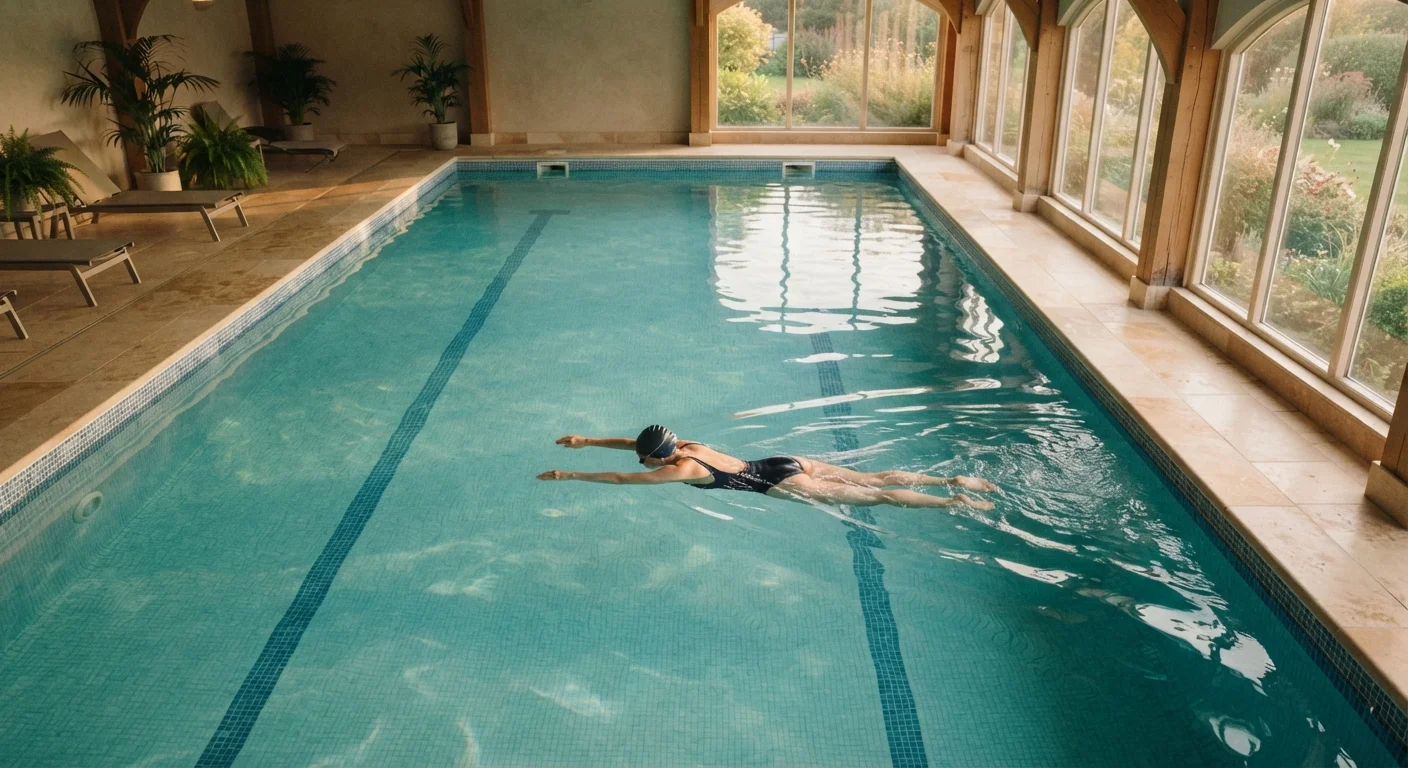
Photo: AscendWit.com | Explore Engaging Blogs. editorial
Key Takeaways
- Low-impact exercise reduces stress on joints while still building cardiovascular fitness and strength.
- Options like swimming, cycling, and yoga can suit a wide range of fitness levels and physical conditions.
- Consistency over intensity is the key principle behind long-term joint-friendly fitness.
- Always consult a qualified healthcare professional before starting any new exercise routine, especially with existing joint conditions.
Why joint-friendly movement still delivers real fitness results
High-impact workouts - running, jumping, plyometrics - aren't the only path to meaningful fitness. Low-impact exercise simply means activities where at least one foot remains in contact with the ground or the body is otherwise supported, reducing the peak forces that travel through joints. That doesn't mean these workouts are easy or ineffective.
For people dealing with joint sensitivity, recovering from injury, managing a chronic condition, or simply looking for sustainable long-term movement habits, low-impact options offer a genuine path to cardiovascular health, strength, and mobility. Many are also easier to maintain consistently - which matters more for long-term results than any single workout's intensity. You can also explore often-overlooked forms of physical activity that round out a joint-friendly approach to staying active.
A note on joint conditions and exercise
Six low-impact exercise options worth exploring
Start slower than you think you need to
Swimming and water-based exercise
Water is one of the most forgiving environments for movement. Buoyancy significantly reduces the load placed on hips, knees, and ankles - meaning you can work your cardiovascular system and build muscular endurance with far less joint stress than on land. Swimming laps, water aerobics, and even gentle pool walking all fall into this category.
Water also provides natural resistance, which helps build strength without needing weights. Because water cools the body efficiently, many people find longer sessions more comfortable. Pools are widely available at community recreation centers, making this an accessible option for many adults.
Buoyancy reduces joint load while water resistance still builds real strength and endurance.
Cycling - stationary or outdoors
Cycling keeps your feet in a fixed, circular path rather than striking a hard surface, which dramatically lowers the impact transmitted through the legs and spine. Stationary bikes allow you to control resistance and intensity precisely, making them useful for beginners and those managing specific joint concerns. Outdoor cycling adds balance challenge and varied terrain.
Seat height matters: a saddle set too low can increase knee strain, while one set correctly allows a slight bend at the bottom of each pedal stroke. If you're new to cycling or returning after an injury, starting with shorter, moderate sessions and gradually building duration is a sensible approach.
Proper saddle height is a small adjustment that makes a meaningful difference in knee comfort during cycling.
Walking on forgiving surfaces
Walking is perhaps the most accessible form of low-impact movement available. While it does involve ground contact, the forces involved are considerably lower than running. Choosing softer surfaces - grass, packed dirt trails, or rubberized tracks - reduces impact further compared to pavement or concrete.
Footwear matters too: shoes with adequate cushioning and arch support can make walking noticeably more comfortable for those with joint sensitivity. For a deeper look at what walking does and doesn't offer as exercise, see what walking can and cannot do for your health.
Surface choice and supportive footwear can significantly change how joints feel during a walking routine.
Yoga and gentle stretching practices
Yoga improves flexibility, balance, and muscular stability - all of which support joint health over time. Many styles, particularly restorative and Hatha yoga, move slowly through poses that gently load and mobilize the joints through a full range of motion. This can help maintain cartilage health and reduce stiffness associated with sedentary habits.
Props like blocks, straps, and bolsters allow poses to be adapted for different ranges of motion and physical limitations. If you have a specific joint condition, look for classes described as gentle or therapeutic, and inform the instructor before the session begins.
Yoga builds joint stability and range of motion - both of which help protect against future injury.
Resistance training with controlled movement
Strength training is often mistakenly seen as high-impact, but when performed with controlled technique and appropriate load, it places joints through safe, predictable movement patterns. Building the muscles around a joint - particularly the quadriceps around the knee and the rotator cuff around the shoulder - provides structural support that reduces day-to-day joint stress.
Machines, resistance bands, and bodyweight exercises can all be adapted for low-impact strength work. Slow, deliberate repetitions with a focus on form rather than maximum weight are generally more joint-friendly than heavy, fast lifting. This type of training fits well within a balanced weekly exercise routine.
Stronger muscles surrounding a joint act as natural shock absorbers during everyday movement.
Elliptical and low-impact cardio machines
Elliptical trainers mimic a walking or running stride without the foot ever leaving the pedal, eliminating the repetitive ground-strike impact that characterizes running. Most users report minimal knee and hip discomfort even at moderate-to-vigorous intensities. Rowing machines offer a similar benefit - smooth, guided movement that builds cardiovascular fitness and engages the whole body with low joint loading.
These machines are common in gym settings, but compact home versions exist for those who prefer to exercise at home. For a practical comparison of gym and home setups, comparing home workouts and gym training walks through the key trade-offs.
Elliptical machines deliver cardiovascular challenge with none of the repetitive ground-strike impact of running.
Building a routine that works for your body
No single low-impact activity needs to cover everything. Combining two or three options - for example, walking on most days, cycling twice a week, and a weekly yoga session - creates variety that works different muscle groups and keeps motivation higher over time. If your days are largely desk-bound, movement strategies for sedentary workdays offers practical ways to build activity into your schedule without a dedicated gym block.
The goal is consistency across weeks and months, not perfection within any single session. Low-impact doesn't mean low-effort - it means smarter effort that your joints can sustain.
This article is for general informational purposes only and does not constitute medical advice. Always consult a qualified healthcare professional before starting a new exercise program, particularly if you have an existing health condition or joint concern.
The content on this site is for informational purposes only and is not a substitute for professional advice. Always consult a qualified professional for guidance specific to your situation.