
Fitness Basics

Before Your First Workout: A Readiness Checklist

Before Your First Workout: A Readiness Checklist

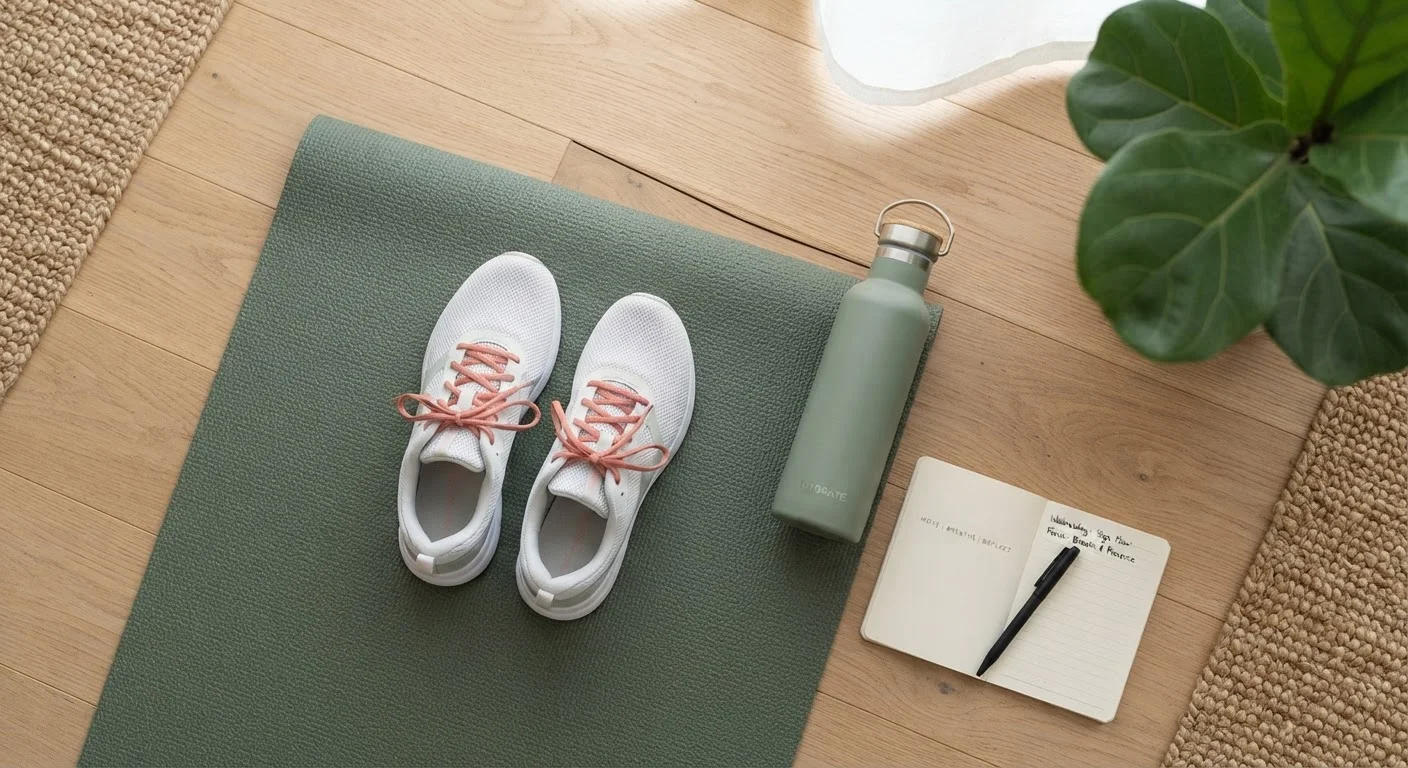
Photo: AscendWit.com | Explore Engaging Blogs. editorial

Use this practical checklist to make sure you're set up safely and realistically before you start a new exercise routine.

Key Takeaways

  • Checking in with a doctor before starting is especially important if you have any existing health conditions.
  • Having the right gear and a clear space to move reduces injury risk from the very first session.
  • Setting a realistic, specific goal makes it far more likely you'll stay consistent beyond week one.
  • Understanding basic exercise form before you begin prevents the habits that lead to injury later.
  • Rest and recovery are part of the plan — not optional extras.

Why a Readiness Check Matters Before Day One

Starting a new exercise routine is genuinely exciting — and it's also the moment when many people either set themselves up for long-term success or quietly set the stage for a setback. Jumping straight into a workout without a few basic checks can mean sore muscles that derail motivation, minor injuries from poor form, or simply the frustration of realizing halfway through that you don't have the right shoes or a safe space to move.

This checklist is designed to help anyone — regardless of fitness level or age — get grounded before that first session. It's not about perfection. It's about covering the essentials so you can focus on moving, not troubleshooting. For a broader look at staying consistent once you've started, see our guide to building a weekly exercise schedule.

See a Doctor First If You Have Health Concerns

If you have a diagnosed condition, a history of cardiovascular issues, joint problems, or haven't been physically active for an extended period, speak with your healthcare provider before beginning any new exercise routine. This checklist is general educational information — it is not medical advice and does not replace a professional assessment of your individual health situation.

What You'll Need Before You Begin

Before working through the checklist, gather a few basic items. None of these need to be expensive — the goal is function, not aesthetics.

Required

Supportive Athletic Footwear

Proper shoes reduce impact on joints and improve stability during movement — different activities call for different sole designs.

Required

Water Bottle

Staying hydrated during exercise supports performance and helps prevent dizziness and fatigue.

Optional

Exercise Mat

Provides cushioning and grip for floor-based movements like stretching, core work, or bodyweight exercises.

Optional

Notebook or Notes App

Logging your goal, planned sessions, and how you felt after each workout helps track progress and spot patterns.

Optional

Timer or Fitness App

Helps you structure intervals, warm-up duration, and rest periods without guessing.

If you're returning to exercise after a significant break rather than starting completely fresh, our realistic re-entry plan for returning exercisers offers additional guidance tailored to that situation.

Your Pre-Workout Readiness Checklist

Work through each group below before your first session. Items marked must are non-negotiable for safety. Should items are strongly recommended, and nice-to-have items will make the experience smoother but aren't blockers.

Health & Medical Clearance

Consult your doctor or a qualified healthcare provider before starting if you have a chronic condition, recent injury, joint pain, cardiovascular concerns, or haven't been active in over a year. Must
Know any movement restrictions or contraindications your provider has given you and write them down somewhere accessible. Must
If you're pregnant, postpartum, or managing a condition like diabetes or osteoporosis, seek exercise guidance specific to your situation from a qualified professional rather than general advice. Must

Goal Setting & Mindset

Write down one specific, realistic goal for the next four weeks — for example, "complete three 20-minute walks per week" rather than "get fit." Must
Identify your primary reason for exercising (energy, stress relief, strength, mobility) so you can choose activities that genuinely match your motivation. Should
Set an expectation that progress takes time — commit to consistency over intensity, especially in the first month. Should

Gear & Environment

Choose supportive footwear appropriate for your chosen activity — running shoes for cardio, flat-soled shoes for strength work. Must
Wear breathable, non-restrictive clothing that allows a full range of motion. Must
Clear and check your workout space for trip hazards, low ceilings, or slippery surfaces before you begin. Must
Have a full water bottle within reach before you start moving. Should
Consider a basic exercise mat if you plan to do any floor-based movements. Nice to have

Knowledge & Form Basics

Before your first session, watch or read an explanation of the primary movements you'll be doing (squats, hinges, planks, etc.) from a credible source. Must
Learn what a warm-up and cool-down involve and plan to include at least five minutes of each around every session. Must
Understand the difference between muscle fatigue (normal) and sharp or joint pain (stop and reassess) before you start. Must
Start at a lower intensity than you think you need — you can always increase next session. Should

Recovery Planning

Schedule at least one to two rest days per week into your plan from the very beginning — recovery is when adaptation happens. Must
Prioritize sleep in the days around your first sessions; aim for a consistent sleep window rather than chasing a specific number. Should
Plan a simple post-workout meal or snack that includes some protein to support muscle repair. Nice to have

Don't Skip the Warm-Up

One of the most common beginner mistakes is jumping straight into the main workout without warming up. Even five minutes of light movement — gentle marching, arm circles, or slow walking — raises muscle temperature and reduces the risk of strains. Skipping it regularly is one of the most reliable ways to accumulate small injuries that add up over time.

Once you've ticked these boxes, you're in a strong position to move with confidence. For session-by-session prep habits — like hydration, sleep, and warm-up timing — see our pre-workout readiness checklist for each individual session. You can also explore more foundational guidance at the Fitness & Movement hub.

This article is for general informational and educational purposes only. It is not a substitute for professional medical advice, diagnosis, or treatment. If you have any health conditions, injuries, or concerns, consult a qualified healthcare provider before beginning any new exercise program.

Beauty Editorial Team

AscendWit.com | Explore Engaging Blogs.

Beauty Editorial Team is the collective byline for our editorial team and contributor network. Articles published under this byline or an editorial pen name are researched, written, and reviewed according to our editorial standards for clarity, consistency, and independence before publication.

Fitness BasicsBeauty Essentials
View author profile

The content on this site is for informational purposes only and is not a substitute for professional advice. Always consult a qualified professional for guidance specific to your situation.