
Before You Head Out: A Pre-Workout Readiness Checklist

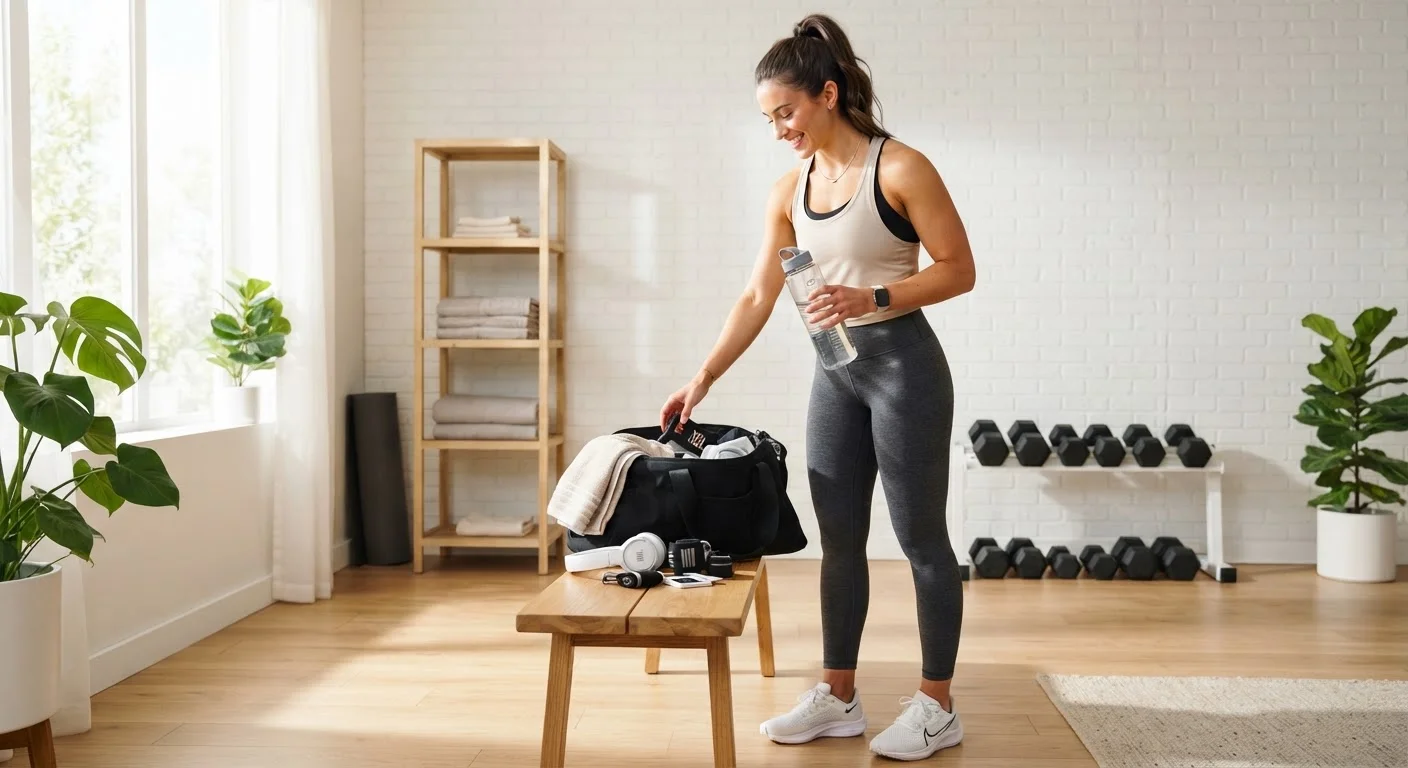
Photo: AscendWit.com | Explore Engaging Blogs. editorial
Key Takeaways
- Sleep quality the night before significantly affects workout performance and injury risk.
- Hydration should begin well before your workout, not just during it.
- A proper warm-up reduces injury risk and prepares your cardiovascular system.
- Wearing appropriate footwear and clothing for your activity type matters more than most people realize.
- Listening to your body before you start is just as important as pushing through during exercise.
Why a Pre-Workout Checklist Actually Matters
Most workout injuries and subpar sessions aren't caused by bad programming or weak effort - they stem from preventable oversights. Skipping a meal, ignoring a tight muscle, or heading out dehydrated can derail even the best fitness plan. A consistent pre-workout routine acts as a simple quality check that takes minutes but pays dividends every time you exercise.
If you're newer to regular exercise, you may also want to review our guide to starting a fitness routine for the broader foundational principles before diving in here. And once you've covered preparation, understanding what a warm-up actually does for your body is worth your time - see our companion piece on warming up and cooling down.
Think of this checklist like a quick pre-departure scan - similar in spirit to how a careful driver reviews their vehicle before a long trip. The goal isn't to create anxiety; it's to build confident, sustainable habits.
This Checklist Is Not Medical Clearance
What You Need Before You Begin
Having the right gear and supplies on hand removes friction and helps you stay focused once your session starts. You don't need expensive equipment, but a few essentials make a real difference.
Water bottle
Essential for staying hydrated before, during, and after your workout.
Activity-appropriate footwear
Proper shoes reduce injury risk and support the specific movement demands of your workout type.
Moisture-wicking athletic clothing
Helps regulate body temperature and reduces chafing during sustained movement.
Foam roller or mobility tool
Useful for pre-session mobility work to address tight areas before loading them.
Fitness tracker or timer
Helps you monitor session duration, rest periods, and effort level.
Small pre-workout snack
A balanced snack consumed 1-3 hours before exercise provides fuel for energy and performance.
Your Pre-Workout Readiness Checklist
Work through each category before every session. "Must" items are non-negotiable for safety and basic effectiveness. "Should" items are strongly recommended. "Nice to have" items are optional upgrades worth building toward.
Recovery & Sleep
Hydration & Nutrition
Gear & Environment
Warm-Up & Mindset
Don't Ignore Signs Something Is Wrong
Using This Checklist to Build a Consistent Habit
The first few times you run through this list, it may feel like a lot. Within a week or two, most of these checks will happen automatically - part of a pre-workout ritual that signals your brain and body that it's time to perform. Research in behavioral science consistently shows that environmental cues and routines reduce the mental effort required to get started, which means you're more likely to actually show up.
If you're still determining whether you're physically ready to begin a new exercise program, our pre-workout readiness checklist for beginners covers medical and lifestyle considerations specific to that first step.
Above all, treat this checklist as a living tool. As your fitness level grows, your preparation needs will shift. Revisit and adjust - that's the sign of a thoughtful, evolving athlete.
This article is for general informational and educational purposes only and is not a substitute for professional medical advice. Always consult a qualified healthcare provider before starting a new exercise program, especially if you have a medical condition, injury history, or other health concerns.
The content on this site is for informational purposes only and is not a substitute for professional advice. Always consult a qualified professional for guidance specific to your situation.