
Understanding a Mechanic's Estimate: Terms, Line Items, and Questions to Ask

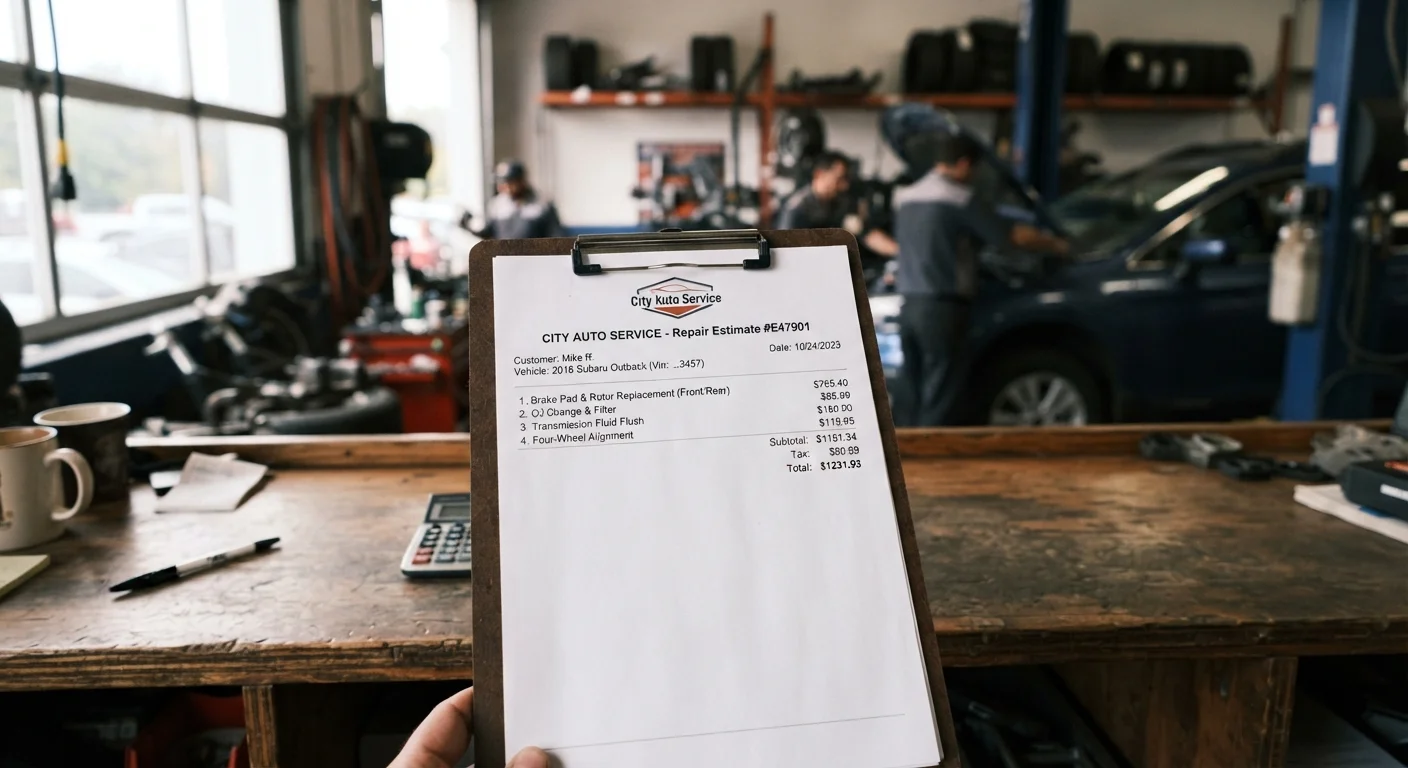
Photo: AscendWit.com | Explore Engaging Blogs. editorial
Key Takeaways
- An estimate breaks down into three main cost categories: parts, labor, and shop fees.
- Labor is typically billed by a flat-rate hour, not necessarily the actual time a mechanic spends on the job.
- You have the right to ask for a written estimate and to approve any additional costs before work proceeds.
- OEM and aftermarket parts differ in origin and price - asking which one is quoted is a reasonable question.
- A second opinion is always acceptable before authorizing major or expensive repairs.
The Three Main Cost Categories
Nearly every repair estimate is organized around three core line items. Understanding each one helps you evaluate whether a quote is reasonable before you sign anything.
- Parts: The physical components that need to be replaced or installed. Parts may be listed with a part number, a description, and a unit price. Ask whether the shop is quoting OEM (original equipment manufacturer) parts or aftermarket alternatives - both can be appropriate, but the distinction affects price and warranty coverage.
- Labor: The charge for the technician's time. Most shops use a flat-rate system based on industry time guides, meaning a specific job has a set hour value regardless of how quickly the work is finished. Labor rates are expressed as a dollar-per-hour charge multiplied by the flat-rate hours assigned to that repair.
- Shop fees: A line sometimes labeled "shop supplies" or "miscellaneous fees" that covers consumable materials - fluids, rags, cleaning chemicals - used during the repair. This is a standard industry charge, though the amount varies by shop.
If any category feels unclear, ask the service advisor to walk through it line by line. You're entitled to a full explanation before authorizing work.
Always Get the Estimate in Writing
Key Terms You'll See on the Paperwork
Estimates come with their own shorthand. Here are the terms most likely to appear and what they mean in plain language:
- RO (Repair Order)
- The official work order number that tracks your vehicle's job through the shop. Keep this number - it's your reference if questions arise later.
- Diagnostic fee
- A charge for the time a technician spent identifying what's wrong. This fee is sometimes applied toward the cost of the repair if you proceed; ask whether that's the case.
- Sublet
- Work the shop sends to an outside specialist - for example, a transmission rebuild or wheel alignment. The shop bills you, but a third party does the work. It's fair to ask who the sublet vendor is.
- Warranty / Guarantee
- Many shops offer a parts-and-labor warranty on completed repairs. Clarify the length (miles and/or months) and what voids it before authorizing work.
Seeing these terms on paper before the repair gives you a clearer picture of the total scope of work. For a broader look at ownership costs that often appear without warning, see The Hidden Costs That Catch Car Owners Off Guard.
Diagnostic Fees Vary Widely
Questions Worth Asking Before You Authorize
A well-run shop will welcome straightforward questions. Here are the ones that give you the most useful information:
- Is this estimate a firm quote or an approximation? Some jobs - particularly those involving disassembly - may carry conditions. Knowing upfront whether the price could change, and under what circumstances, helps you plan.
- Which parts are OEM and which are aftermarket? If cost is a concern, ask whether an aftermarket part is available and what the trade-off would be.
- What does the labor rate include? Understanding the flat-rate hours for each task lets you spot unusually high labor estimates on simple jobs.
- Is the diagnostic fee credited toward the repair? Not all shops do this. The answer affects your total cost if you proceed.
- What warranty covers this repair? Get the terms in writing.
- If additional problems are found during repair, will you call me before proceeding? A reputable shop will always pause and get authorization before expanding the scope of work.
If you're weighing whether to handle a maintenance task yourself or bring it to a professional, DIY Car Maintenance vs. Taking It to a Shop offers a practical framework for making that call.
~38%
Drivers who feel confused by repair estimates
A consumer survey by AAA found that roughly 1 in 3 vehicle owners feel uncertain about what they're paying for when they receive a repair bill.
$0
Cost of requesting a written estimate
Many states legally require shops to provide a written estimate at no charge before beginning any repair work above a threshold dollar amount.
Frequently Asked Questions
The content on this site is for informational purposes only and is not a substitute for professional advice. Always consult a qualified professional for guidance specific to your situation.