
Hawaii Island Hopping: How the Six Main Islands Differ

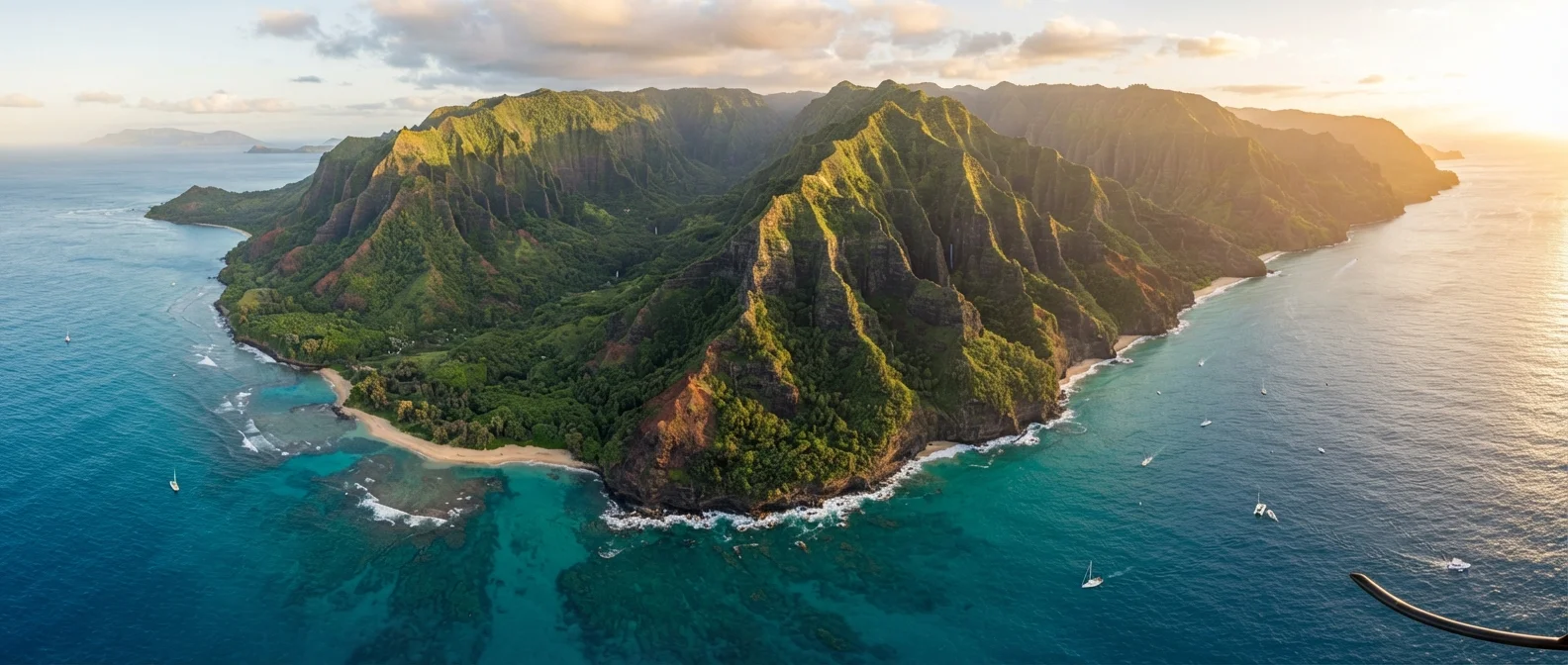
Photo: AscendWit.com | Explore Engaging Blogs. editorial
Key Takeaways
- Oahu balances urban amenities with beach culture, making it ideal for first-time visitors and those who want variety.
- Maui suits travelers seeking a mix of luxury resorts, snorkeling, and scenic road trips like the Road to Hana.
- Kauai's dramatic cliffs and remote valleys appeal to outdoor adventurers and nature lovers.
- The Big Island offers the most geographic diversity, from active volcanoes to snow-capped peaks.
- Molokai and Lanai are uncrowded alternatives for travelers who prioritize quiet and authenticity over amenities.
- Inter-island flights are the primary way to island-hop; plan travel time and costs into your itinerary.
Why Each Hawaiian Island Feels Like a Different Destination
Hawaii's six main islands - Oahu, Maui, Kauai, the Big Island (Hawaii Island), Molokai, and Lanai - share a climate and cultural heritage, but diverge sharply in terrain, infrastructure, and atmosphere. A week on one island can feel nothing like a week on another. Understanding those differences before you book flights is the most practical thing you can do for your trip.
Inter-island travel is almost exclusively done by air. Several carriers operate short flights between the islands, typically ranging from 20 to 50 minutes. Factor airfare, airport time, and luggage logistics into any multi-island itinerary - island hopping is rewarding but requires real planning.
Plan Inter-Island Flights Early
Island by Island: What Each One Offers
Oahu is the most visited and most developed island. Honolulu, the state capital, sits here along with Waikiki Beach, Pearl Harbor, and a dense network of restaurants, museums, and nightlife. It suits travelers who want beach time alongside urban conveniences. Traffic and crowds are real trade-offs.
Maui is known for the Road to Hana, the Haleakalā volcanic crater, and the resort corridor along its western shore. It draws a wide range of visitors - families, honeymooners, and snorkelers - and has a more relaxed pace than Oahu while still offering strong hospitality infrastructure. Whale watching (humpbacks visit seasonally) is a notable draw.
Kauai, the oldest of the main islands geologically, is defined by the Nā Pali Coast's towering sea cliffs and the lush Waimea Canyon. It has far fewer large resorts and draws travelers specifically for hiking, kayaking, and photography. Rain is more frequent here, particularly on the northern and eastern sides - something to plan for.
The Big Island is larger than all other Hawaiian islands combined. It contains active lava flows within Hawaiʻi Volcanoes National Park, coffee farms in Kona, black and green sand beaches, and even snow on Mauna Kea. It rewards travelers who enjoy covering ground and experiencing geographic contrasts in a single destination.
Molokai has intentionally resisted large-scale tourism development. It has no traffic lights, no chain hotels, and a population that largely prefers it that way. Visitors who choose Molokai tend to seek cultural immersion, the Kalaupapa National Historical Park, and solitude.
Lanai is the smallest and most private of the six. It has two high-end resorts and is accessible by a short ferry from Maui or by air. Most infrastructure is concentrated around those resorts; beyond them, Lanai offers red-dirt roads, deserted beaches, and the eerie Garden of the Gods rock formation.
| Oahu | Maui | Kauai | Big Island | Molokai | Lanai | |
|---|---|---|---|---|---|---|
| Crowd level | Very high | High | Moderate | Moderate | Very low | Low |
| Best for | First-timers, city lovers | Families, honeymooners | Hikers, nature seekers | Adventure, geology fans | Solitude, culture | Luxury, seclusion |
| Infrastructure & amenities | Extensive | Strong | Moderate | Moderate | Minimal | Limited (luxury focus) |
| Top natural draw | Waikiki, Diamond Head | Haleakalā, Road to Hana | Nā Pali Coast, Waimea Canyon | Active volcanoes, Mauna Kea | Kalaupapa cliffs | Garden of the Gods |
| Budget range | Mid to high | Mid to high | Mid to high | Budget to high | Budget to mid | High to luxury |
| Rental car needed | Optional | Recommended | Essential | Essential | Recommended | Limited roads |
Matching Your Travel Style to the Right Island
Before choosing an island, consider three practical questions: How much do you want to spend on accommodation? How comfortable are you with limited services? And what do you actually want to do each day?
If your answer centers on organized activities, good restaurants, and reliable transport, Oahu and Maui will serve you well. If you want to spend most of your time outdoors and don't mind a slower pace, Kauai and the Big Island offer richer natural experiences - though both require a rental car to explore properly. Molokai and Lanai are worth considering if you've visited Hawaii before and want something genuinely different from the resort circuit.
Budget matters too. The Big Island generally has a wider range of accommodation options at various price points, while Lanai skews heavily toward luxury pricing. Kauai and Maui both have resort corridors that can be expensive, but more affordable vacation rentals exist outside those zones.
If you enjoy exploring less-traveled destinations on the US mainland, the mindset that draws travelers to Pacific Northwest destinations beyond the obvious - seeking depth over familiarity - translates well to choosing Kauai, Molokai, or the Big Island over Oahu.
10,932 sq mi
Total area of Hawaii Island (Big Island)
According to the US Geological Survey, the Big Island is larger than all other Hawaiian islands combined, offering the greatest geographic variety.
~9-10 million
Annual visitors to Hawaii (pre-pandemic baseline)
Hawaii Tourism Authority data shows visitor numbers concentrated heavily on Oahu and Maui, underscoring how uncrowded alternative islands can be.
Practical Considerations Before You Book
Verify current entry requirements, visitor fees, and any permit-based access to specific trails or parks - these details change and are best confirmed through official Hawaii tourism and National Park Service sources before travel. Some popular hikes, such as those along the Nā Pali Coast, require advance permits that fill quickly.
Seasonality matters across all islands. Winter months bring larger surf to north-facing shores, while summer tends to be calmer for swimming and snorkeling. Hurricane season runs roughly June through November. Rain patterns vary dramatically by location even within a single island - the windward (eastern) sides are consistently wetter than the leeward (western) sides.
Respect for Hawaiian culture and environment is expected and important. Many natural and cultural sites carry deep significance; follow posted guidelines, stay on marked trails, and familiarize yourself with local customs before your visit.
The content on this site is for informational purposes only and is not a substitute for professional advice. Always consult a qualified professional for guidance specific to your situation.