
Stretching, Foam Rolling, and Active Recovery: What Each One Actually Does

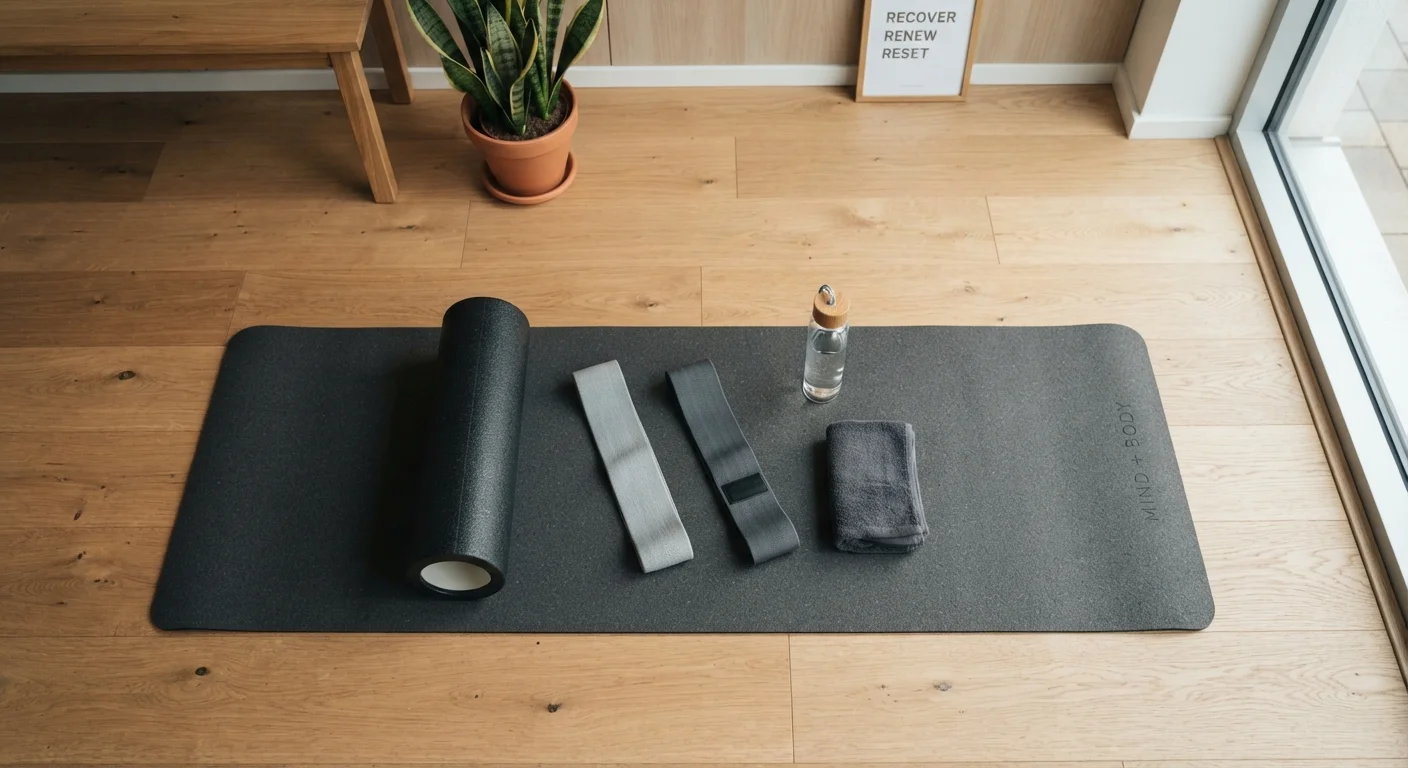
Photo: AscendWit.com | Explore Engaging Blogs. editorial
Key Takeaways
- Stretching primarily improves flexibility and range of motion over time with consistent practice.
- Foam rolling targets muscle tissue tension and may reduce post-exercise soreness.
- Active recovery uses gentle movement to promote circulation and accelerate the body's repair process.
- These three tools complement rather than replace each other - and each has an ideal use case.
- None of these methods is a substitute for adequate sleep or rest days in a well-rounded routine.
Why Recovery Tools Often Get Confused
Walk into any gym and you'll see people doing all three - stretching before a run, foam rolling after a lifting session, or going for a gentle walk on a rest day. These habits are common, but they're often used interchangeably, as if they all do the same thing. They don't.
Each method works on a different part of your physiology, produces different short- and long-term effects, and has a different ideal window of use. Understanding what each one actually does helps you use them more intentionally - and get more out of the time you already spend on recovery.
For a broader look at how recovery fits into your week, see how cardio, strength, and rest fit together.
Stretching: Building Range of Motion Over Time
Stretching involves lengthening a muscle - or a group of muscles - either by holding a position (static stretching) or moving through a range (dynamic stretching). Its primary purpose is to improve flexibility and joint range of motion, but the mechanism matters.
Static stretching held for 30-60 seconds can temporarily reduce muscle stiffness and is most useful after exercise or on rest days, when muscles are warm and less prone to strain. Dynamic stretching - leg swings, arm circles, hip rotations - is better suited to warm-ups because it prepares the neuromuscular system for movement without impairing power output the way prolonged static holds can.
Flexibility improvements from stretching accumulate gradually with consistent practice. A single session won't transform your range of motion, but regular stretching over weeks and months can produce meaningful change. If you've ever wondered how stretching fits alongside your warm-up or cool-down, what warm-ups and cool-downs actually do offers a useful companion read.
Match Your Stretching Style to Your Workout Phase
Foam Rolling: Addressing Muscle Tissue Tension
Foam rolling falls under a broader category called self-myofascial release (SMR) - the idea being that applying pressure to muscle tissue helps release tightness in the fascia (the connective tissue surrounding muscles). The research on exactly how this works is still evolving, but studies suggest foam rolling can reduce delayed onset muscle soreness (DOMS) and temporarily improve range of motion without the performance tradeoffs of static stretching.
The practical benefit most people notice is reduced muscle tightness, particularly in high-use areas like the quadriceps, hamstrings, calves, and thoracic spine. Foam rolling works best on muscles that are already warm, making post-workout use a common and reasonable choice. It is not, however, a substitute for proper training load management or rest.
| Stretching | Foam Rolling | Active Recovery | |
|---|---|---|---|
| Primary purpose | Improve flexibility and range of motion | Reduce muscle tension and soreness | Promote circulation and tissue repair |
| Best timing | Post-workout or rest days (static); pre-workout (dynamic) | Post-workout, when muscles are warm | Rest days or between hard sessions |
| Mechanism | Lengthens muscle and connective tissue | Applies pressure to release fascial tightness | Low-intensity movement increases blood flow |
| Evidence base | Well-established for flexibility gains | Moderate; research ongoing on mechanisms | Supported for circulation and soreness reduction |
| Intensity level | Mild discomfort acceptable | Moderate pressure; avoid acute pain | Should feel easy and low-effort |
| Time investment | 5-15 minutes per session | 5-10 minutes targeted areas | 20-45 minutes light movement |
One important note: foam rolling should not be painful to the point of distress. Moderate discomfort on a tender spot is normal; sharp or acute pain warrants stopping and consulting a healthcare professional.
Active Recovery: Moving to Help Your Body Repair
Active recovery refers to low-intensity movement performed on days between harder training sessions. Think easy walking, light cycling, gentle swimming, or a slow yoga flow. The goal is not fitness gains - it's circulation.
When you engage in light movement, blood flow increases to muscles still in the repair process from prior workouts. This can help clear metabolic byproducts and deliver nutrients to recovering tissue. The key is keeping intensity genuinely low - active recovery should feel effortless, not like a secondary workout.
Active recovery also serves a psychological purpose: it keeps you moving without adding to your training load, which many people find easier to maintain mentally than complete inactivity. It pairs naturally with the concept of how rest days support fitness progress, since the two approaches can complement each other across a well-planned week.
~48-72 hrs
Peak window for muscle soreness (DOMS)
Research published in the Journal of Athletic Training indicates delayed onset muscle soreness typically peaks between 24 and 72 hours after exercise.
~4-8 weeks
Time to see flexibility gains from consistent stretching
Studies on stretching programs generally show measurable range-of-motion improvements after 4 to 8 weeks of regular practice, according to sports science literature.
This article is for general informational and educational purposes only and is not a substitute for professional medical or fitness advice. Consult a qualified healthcare provider before starting any new exercise or recovery program, particularly if you have an existing injury or health condition.
The content on this site is for informational purposes only and is not a substitute for professional advice. Always consult a qualified professional for guidance specific to your situation.