
Why Your Muscles Get Sore After Exercise - and What to Do About It

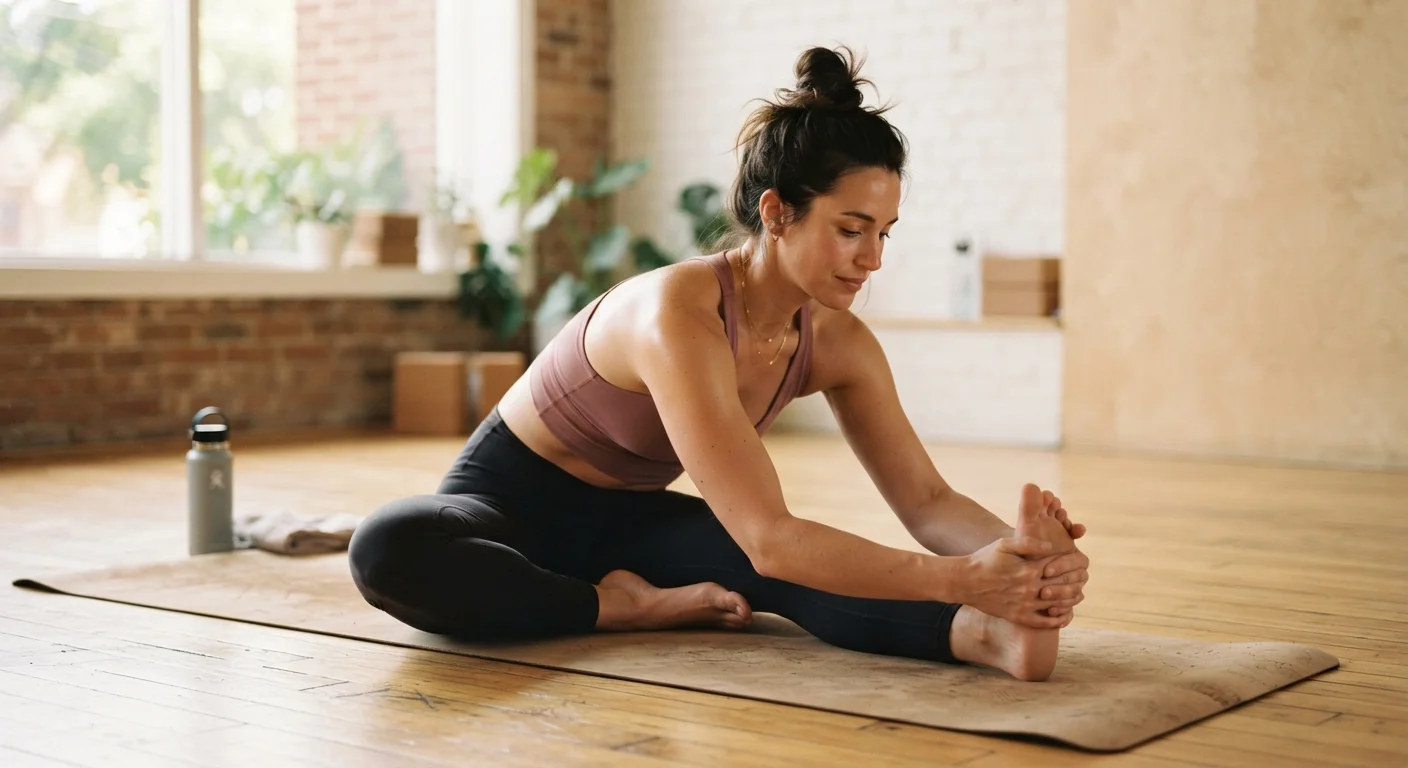
Photo: AscendWit.com | Explore Engaging Blogs. editorial
Key Takeaways
- DOMS usually peaks 24-48 hours after exercise and fades within 3-5 days.
- Soreness is caused by microscopic muscle fiber damage, not lactic acid buildup.
- Light movement, hydration, and rest are the most reliable recovery strategies.
- Sharp, acute pain during exercise is different from normal soreness and warrants attention.
- The more regularly you exercise, the less soreness you'll experience from similar workouts.
What's Actually Happening in Your Muscles
For decades, people blamed lactic acid for post-workout soreness - but that's a fitness myth worth retiring. Lactic acid clears from the muscles within an hour or two of exercise, long before soreness even begins.
What actually causes DOMS is microscopic damage to muscle fibers. When you ask your muscles to do something unfamiliar - a new exercise, a heavier weight, a longer run - they experience tiny tears at the cellular level. Your immune system responds with inflammation, and that process is what you feel as soreness and stiffness one to two days later.
This isn't a bad thing. As your body repairs those fibers, it reinforces them, making the muscle slightly more capable of handling the same load in the future. That's the basic mechanism behind getting stronger and more fit over time.
Lactic Acid Is Not the Culprit
When Soreness Is Normal - and When to Pay Attention
Normal DOMS feels like a general achiness, tightness, or tenderness in the worked muscles. It's typically bilateral - meaning both legs feel sore if you did squats, not just the left one - and it builds gradually rather than starting during the workout itself.
Signs that something may be more than typical soreness include:
- Sharp, stabbing, or sudden pain during or immediately after exercise
- Significant swelling, bruising, or loss of range of motion
- Pain concentrated in one limb or joint
- Soreness that doesn't improve after five to seven days
- Unusually dark urine following intense exercise (this can signal a rare condition called rhabdomyolysis and needs prompt medical attention)
If any of those apply, stop the activity and speak with a healthcare provider. This article is for general information only and is not a substitute for professional medical advice.
Newcomers to exercise are encouraged to review the pre-workout readiness checklist to set themselves up safely from day one.
24-48 hrs
Typical time for DOMS to peak after exercise
Exercise physiology research consistently shows DOMS onset begins hours after activity and peaks one to two days later.
3-5 days
Average duration of DOMS symptoms
For most healthy adults, soreness from a single unfamiliar workout resolves within three to five days without treatment.
Practical Ways to Recover Faster
There is no single technique proven to eliminate DOMS entirely, but several approaches can meaningfully reduce its severity and duration.
Keep Moving - Gently
Complete rest is rarely the answer. Light activity like walking, swimming, or yoga on sore days increases blood flow to damaged tissues and can ease stiffness. The key word is light - don't push through pain on a hard workout the next day.
Prioritize Sleep
Much of muscle repair happens during sleep, when the body releases growth hormone and channels resources toward recovery. Consistent, adequate sleep is one of the highest-leverage recovery tools available.
Stay Hydrated and Eat Enough Protein
Muscle protein synthesis - the process of rebuilding damaged fibers - requires adequate protein intake spread across meals. Hydration supports cellular function and helps manage the inflammatory response.
Consider Cold or Contrast Therapy
Cold water immersion and contrast therapy (alternating cold and warm water) have some research support for reducing perceived soreness, particularly after intense exercise. Results vary between individuals, and these approaches are not essential for most recreational exercisers.
Ease Into New Exercises Gradually
If you're returning to exercise after time away, a gradual re-entry plan can help you manage soreness by progressively increasing intensity rather than jumping in too fast.
How to Reduce Soreness Over the Long Term
The most reliable way to experience less DOMS is simple: exercise consistently. The repeated bout effect is a well-documented phenomenon in exercise science - after your muscles adapt to a given stimulus, the same workout produces far less damage and soreness the second and third time around.
Varying your workouts also plays a role. If you only ever do one type of movement, certain muscle groups stay perpetually challenged while others go underworked. Rotating your exercise routine distributes the adaptation demand more evenly and reduces the shock of any single session.
Finally, avoid the common beginner mistake of doing too much too soon. Gradual progression - sometimes called the overload principle - means you challenge your muscles incrementally, allowing adaptation to stay ahead of excessive damage. For a foundation on building this habit sustainably, starting a fitness routine from scratch walks through exactly that approach.
This article is for informational purposes only and does not constitute medical advice. Always consult a qualified healthcare professional before beginning a new exercise program or if you have concerns about pain or injury.
Frequently Asked Questions
The content on this site is for informational purposes only and is not a substitute for professional advice. Always consult a qualified professional for guidance specific to your situation.