
The Skincare Myths That Refuse to Die

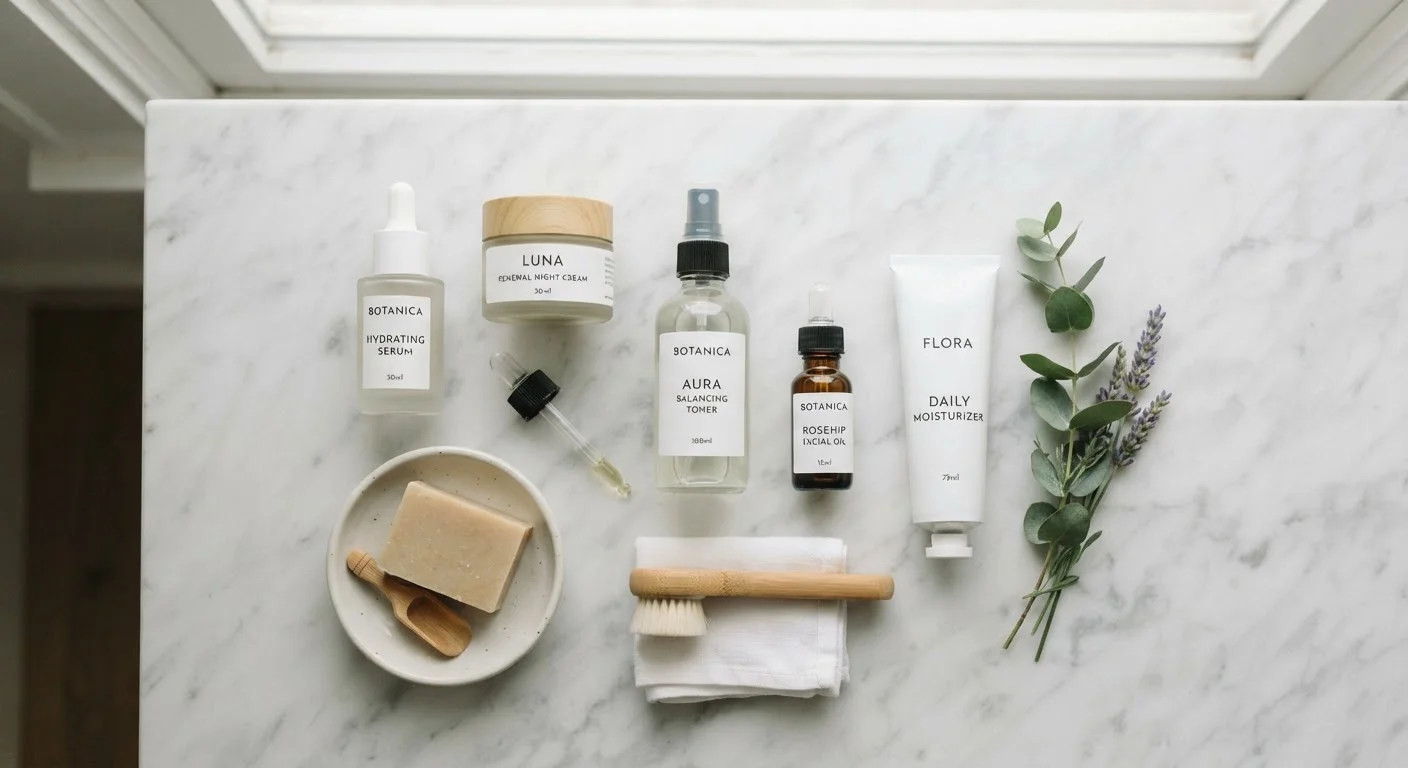
Photo: AscendWit.com | Explore Engaging Blogs. editorial
Key Takeaways
- Pores are fixed structures - they cannot open or close in response to temperature.
- Drinking extra water does not directly cure or prevent dry skin.
- Natural ingredients are not automatically safer or more effective than synthetic ones.
- SPF in moisturizer alone often provides insufficient daily sun protection.
- Expensive products are not reliably more effective than affordable alternatives with the same active ingredients.
Why Skincare Myths Are So Persistent
Skincare advice travels fast - across social media, family dinner tables, and beauty counter conversations. Some of it is grounded in solid dermatological research. A surprising amount is not. The trouble is that myths often sound plausible, get repeated confidently, and can quietly steer people toward routines that waste money, irritate skin, or miss what actually works.
This article walks through some of the most widespread misconceptions and replaces them with clearer, evidence-based explanations. For a deeper look at building a routine around what genuinely matters, see what a skincare routine actually needs.
Myth
Steaming your face opens your pores, and cold water closes them.
Fact
Pores are fixed openings in the skin - they do not have muscles and cannot open or close.
This is one of the most repeated myths in skincare. Pores are passive structures; they don't respond to temperature by expanding or contracting. Steam can soften the debris and oil inside a pore, making extraction easier, but it is not literally opening anything. Similarly, cold water may temporarily reduce the appearance of pores by causing mild surface changes, but it is not closing them. Genetics, age, and skin type are the primary factors governing pore size.
Myth
Drinking more water will hydrate your skin and clear up dryness.
Fact
Adequate hydration supports overall health, but drinking extra water does not directly treat dry skin.
Dry skin is primarily a barrier function issue - it occurs when the outer layer of skin loses moisture faster than it can be replaced, often due to genetics, weather, harsh cleansers, or missing lipids. While severe dehydration can affect skin appearance, research does not show that drinking above typical daily needs meaningfully improves skin hydration in people who are already adequately hydrated. Topical moisturizers that support the skin barrier are far more direct and effective for addressing surface dryness.
Myth
Natural or plant-based ingredients are always gentler and safer than synthetic ones.
Fact
Whether an ingredient is natural or synthetic tells you almost nothing about its safety or efficacy on its own.
Many potent irritants and allergens - poison ivy, essential oils, certain botanical extracts - are entirely natural. Meanwhile, many synthetic ingredients have extensive safety data and gentle track records. What matters is the specific ingredient, its concentration, how it is formulated, and your individual skin's response. Describing a product as "natural" or "clean" is largely a marketing framing rather than a regulated safety standard in the US. Reading ingredient lists and patch-testing new products is more informative than the label's language.
Myth
The SPF in your morning moisturizer gives you all the sun protection you need.
Fact
SPF in a moisturizer can provide protection, but only if applied in an amount most people never actually use.
Sun protection factor ratings are tested at a specific application thickness - about a teaspoon for the face alone. Most people apply moisturizer in a much thinner layer, which means the effective SPF they receive is considerably lower than the label claims. A dedicated broad-spectrum sunscreen applied as the last step before makeup, at the right quantity, is more reliable. This is consistent with dermatological guidance on daily photoprotection.
Myth
More expensive skincare products are more effective.
Fact
Price is not a reliable indicator of a product's active ingredient quality or concentration.
Two moisturizers containing the same active ingredients at the same concentrations can differ dramatically in price based on packaging, fragrance, brand positioning, and marketing spend rather than efficacy. Research-backed ingredients like niacinamide, retinoids, and ceramides are available across a wide price range. Evaluating a product based on its ingredient list, formulation, and how your skin responds is more useful than using price as a proxy for quality.
What the Evidence Actually Supports
Once you clear away the noise, a few habits do stand up consistently in dermatological research. Daily broad-spectrum sun protection is one of the most robustly supported steps you can take for long-term skin health - here's the evidence behind daily SPF use and how to apply it effectively.
Understanding the difference between hydration and moisture is another area where clearing up confusion pays off practically. Humectants and occlusives do different jobs for the skin barrier, and mixing them up leads to choosing products that don't address what your skin actually needs. The hydration vs. moisture distinction is worth understanding before you shop.
Finally, if you've started a new product and aren't sure whether your skin is adjusting or reacting badly, learning to tell the difference matters. Reading what your skin is telling you can help you avoid abandoning something effective - or continuing with something genuinely problematic.
~50%
Adults who overestimate their SPF coverage from moisturizer
Research published in dermatology literature consistently finds that consumers apply far less sunscreen than the tested amount, significantly reducing real-world SPF effectiveness.
Top 5
Most common skincare allergens are natural-origin
Fragrance compounds - many derived from plant sources - consistently rank among the leading causes of contact dermatitis identified in patch-test studies.
This article is for general informational purposes only and is not a substitute for personalized advice from a licensed dermatologist or healthcare professional. Skin types and conditions vary widely - consult a qualified provider for concerns specific to your skin.
The content on this site is for informational purposes only and is not a substitute for professional advice. Always consult a qualified professional for guidance specific to your situation.