
Why Your Travel Budget Falls Apart Before You Even Leave Home

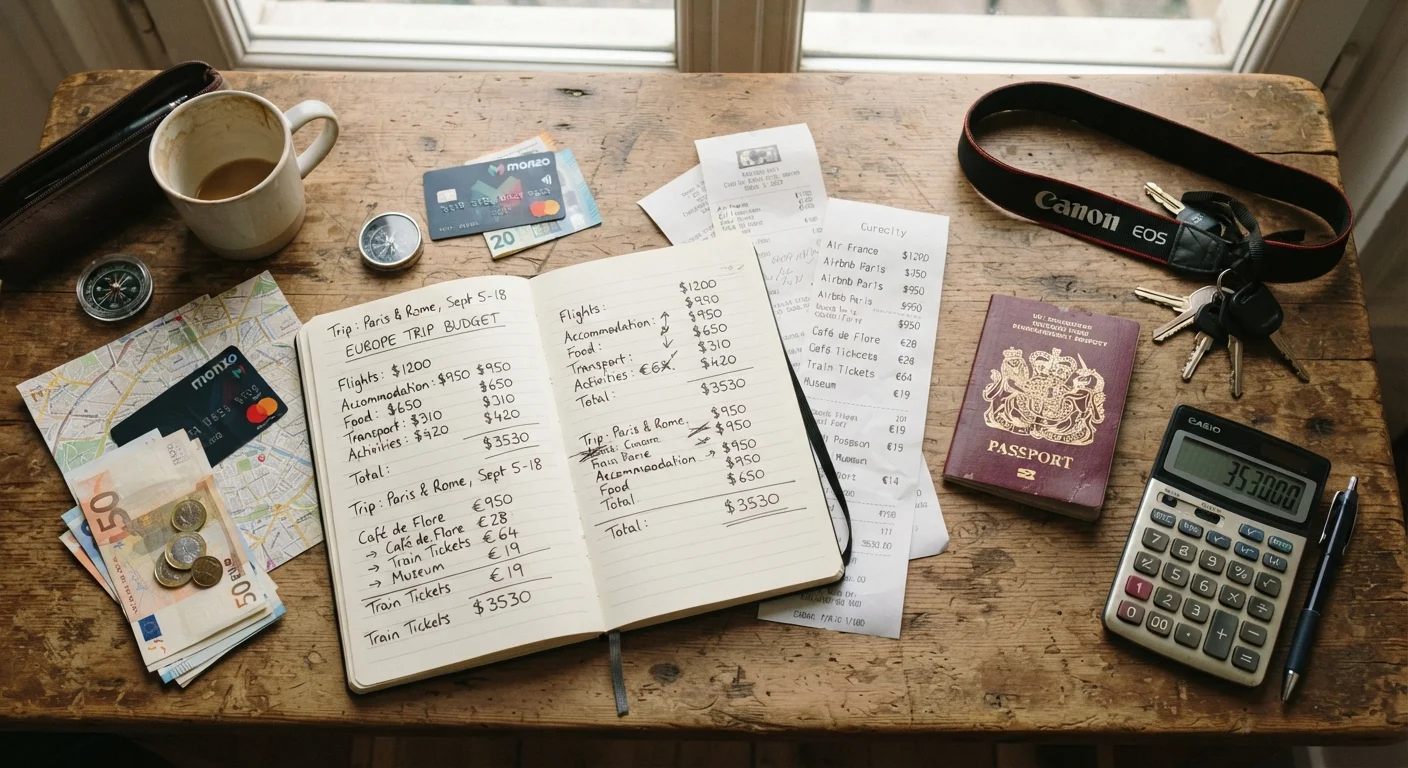
Photo: AscendWit.com | Explore Engaging Blogs. editorial
Key Takeaways
- Most travel budget failures start with planning errors made weeks before departure.
- Underestimating pre-trip costs like gear, visas, and airport transport is extremely common.
- A contingency fund of 10-15% of your total travel budget helps absorb unexpected costs.
- Forgetting to account for daily spending categories like tips, snacks, and transit adds up fast.
- Locking in a realistic budget early-before bookings-prevents overspending downstream.
The Planning Stage Is Where Budgets Break First
Most travelers assume their budget falls apart at a beach bar or a too-tempting souvenir market. In reality, the damage usually begins at the kitchen table, weeks before anyone boards a plane. The way you structure your travel budget during planning determines whether your money holds up or quietly evaporates.
Understanding what you're actually spending-and why estimates so often miss the mark-is the first step toward a trip your wallet can sustain. For a broader foundation on what realistic travel budgeting looks like, see what budget travel actually means before diving into the mistakes below.
Only budgeting for flights and accommodation while ignoring every other cost category.
Failing to account for pre-departure expenses like gear, travel health requirements, or new luggage.
Using last year's prices-or a friend's experience-to estimate costs without checking current rates.
Setting a daily spending number without breaking it into actual spending categories.
Ignoring exchange rates, foreign transaction fees, and ATM withdrawal costs.
What Smarter Pre-Trip Budgeting Actually Looks Like
Building a travel budget that holds up starts with treating every cost category as real until proven otherwise. That means writing down not just flights and hotels, but the airport parking, the checked bag fee, the travel adapter, the pre-trip haircut, and the meals you'll eat between now and departure.
~30%
Average budget overage reported by travelers
Consumer travel surveys consistently find that a significant share of travelers spend roughly 30% more than their original budget, most often due to costs overlooked during planning.
3-5%
Typical foreign transaction fee range
Many standard bank accounts and credit cards charge between 3% and 5% on foreign currency transactions, a cost travelers frequently forget to factor in when estimating trip expenses.
One practical method: once you've drafted your budget, add 10-15% on top as a contingency line. This isn't a slush fund-it's a buffer for the costs you couldn't anticipate when you were still at home. Travelers who build this in consistently report less financial stress mid-trip.
It also helps to separate your budget into phases: pre-departure, daily in-destination spending, and post-trip (airport transfers home, laundry, restocking items you used up). Most people only budget the middle phase.
For habits that keep any budget-travel or household-on track over time, the guidance in habits that make budgets work over time applies directly here. And if your trip involves the whole family, traveling with family offers realistic budgeting guidance for multigenerational groups.
This article provides general travel budgeting information for educational purposes. Individual costs and financial circumstances vary. Consult a qualified financial professional for advice tailored to your situation.
The content on this site is for informational purposes only and is not a substitute for professional advice. Always consult a qualified professional for guidance specific to your situation.