
Jet Lag Is Real - Here's What Actually Helps

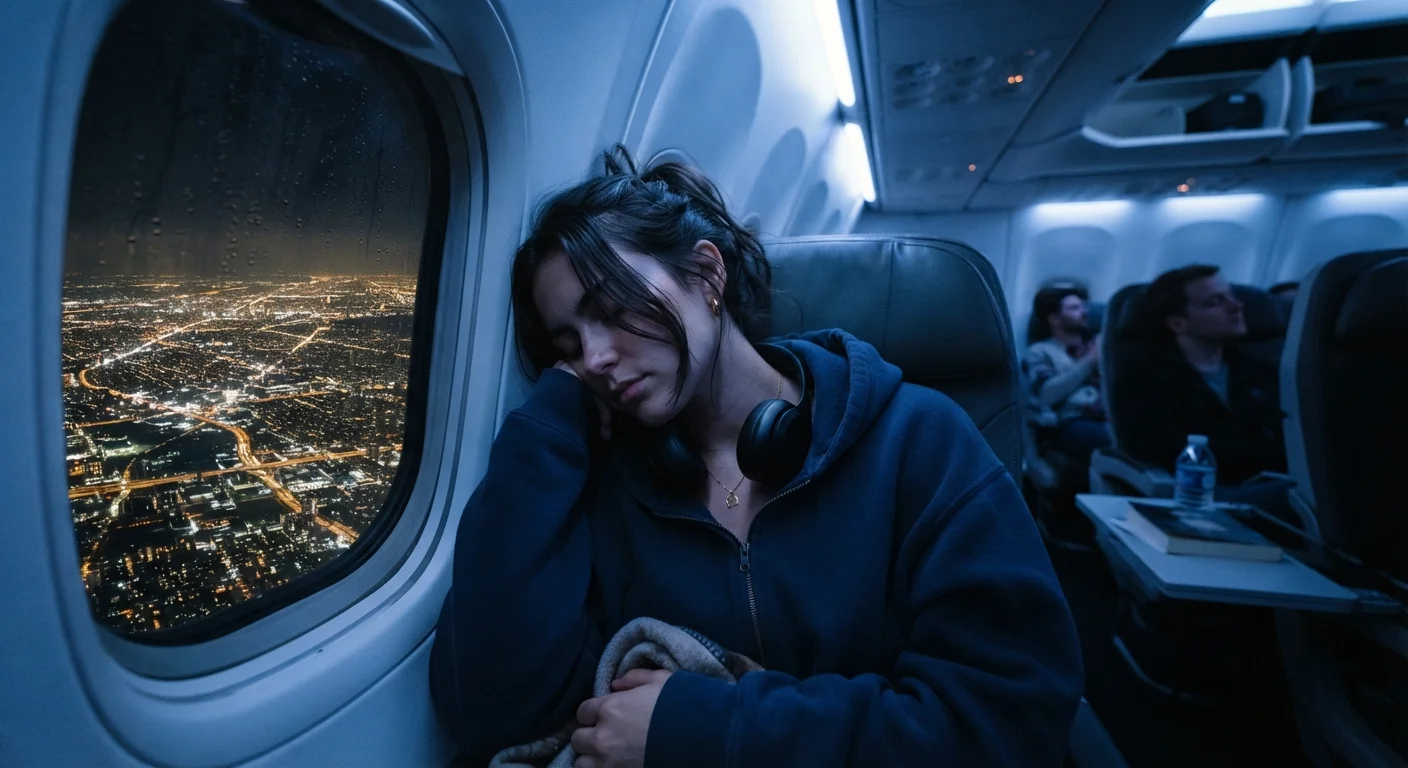
Photo: AscendWit.com | Explore Engaging Blogs. editorial
Key Takeaways
- Jet lag is a genuine physiological condition caused by your internal clock misaligning with a new time zone.
- Light exposure at the right times is the most powerful tool for resetting your circadian rhythm.
- Alcohol and sedatives often worsen sleep quality in transit, despite feeling like they help.
- Shifting your sleep schedule slightly before departure can meaningfully reduce jet lag severity.
- Melatonin may help, but timing and dosage matter - and it is not a cure-all.
Why Jet Lag Happens - and Why It Matters
Jet lag is not simply tiredness from a long flight. It is a temporary sleep disorder caused by a mismatch between your body's internal clock - your circadian rhythm - and the local time at your destination. Your body regulates sleep, digestion, hormone release, and body temperature according to cues from your home time zone. When you cross multiple time zones rapidly, those cues stop matching the new environment, and your body needs time to recalibrate.
Symptoms can include daytime fatigue, difficulty falling or staying asleep at night, trouble concentrating, irritability, and digestive disruption. Eastward travel tends to produce stronger jet lag than westward travel because advancing your internal clock is harder than delaying it - similar to the difficulty of waking an hour earlier versus staying up an hour later.
Understanding the mechanism matters because it changes which strategies actually work. Treatments aimed only at tiredness miss the point; the goal is to shift your circadian rhythm, not just push through exhaustion. See our guide to staying healthy on long-haul flights for additional context on how the flight itself affects your body before you even land.
Common Jet Lag Myths - Corrected
A lot of popular jet lag advice is either oversimplified or outright wrong. The myth-and-fact pairs below address the most widespread misconceptions, drawing on what sleep researchers and travel medicine specialists generally agree on.
Myth
A few drinks on the plane will help you sleep and reduce jet lag.
Fact
Alcohol disrupts sleep architecture, reducing restorative REM sleep and worsening next-day fatigue.
Alcohol may help you fall asleep faster, but it fragments sleep quality significantly. Studies on alcohol and sleep consistently show that it suppresses REM sleep - the stage most associated with feeling rested - and increases waking in the second half of the night. On a flight, this means you often arrive more fatigued than if you had skipped the drinks. It also contributes to dehydration in an already dry cabin environment.
Myth
Staying up all night before a long flight will make you sleep better on the plane.
Fact
Sleep deprivation before travel increases overall fatigue without meaningfully accelerating circadian adjustment.
This is a widely attempted strategy that tends to backfire. While you may fall asleep more easily on the plane, you arrive at your destination with a significant sleep debt that makes it harder to stay awake during daylight hours - which is exactly what you need to do to reset your clock faster. Accumulating sleep debt does not shift your circadian rhythm; it just makes you more exhausted throughout the adjustment period.
Myth
Jet lag only affects people who are already tired or out of shape.
Fact
Jet lag is a physiological response to time-zone crossing that affects virtually all travelers regardless of fitness level.
Your circadian rhythm is a biological system, not a measure of physical resilience. Even well-rested, highly fit individuals experience jet lag after crossing enough time zones. The degree of disruption is influenced by the number of time zones crossed, the direction of travel, and individual chronotype (whether you are naturally a morning or evening person) - not physical fitness.
Myth
Taking a sleeping pill on the flight solves jet lag.
Fact
Sedatives may help you sleep in transit but do not reset your circadian rhythm and can cause grogginess on arrival.
Prescription sedatives and over-the-counter sleep aids can make it easier to sleep during a flight, but sleep produced under sedation does not carry the same circadian signaling as natural sleep. You may arrive having slept but still be physiologically misaligned with the destination time zone. Some sedatives also have residual grogginess effects that can impair judgment and coordination on arrival. Consult a healthcare professional before using any sleep medication for travel.
Myth
Jet lag resolves after just one good night of sleep at your destination.
Fact
Full adjustment typically takes one day per time zone crossed, though individual timelines vary.
The commonly cited rule of thumb - roughly one day of adjustment per time zone crossed - reflects the limits of how quickly your circadian system can shift. A transatlantic traveler crossing six time zones may take five to seven days to fully normalize. One good night of sleep helps, but it does not compress this window. Managing expectations about adjustment time helps travelers plan itineraries that account for the first day or two being lower-energy.
Evidence-Based Strategies That Actually Help
Once you understand what jet lag actually is, the practical toolkit becomes clearer. These approaches have meaningful support from sleep science research.
~1 day
Adjustment time per time zone crossed
Sleep researchers commonly cite this as a general guideline for how long circadian resynchronization takes after long-haul travel.
60%+
Travelers reporting jet lag symptoms
Studies on long-haul air travel consistently find the majority of passengers crossing five or more time zones report meaningful jet lag symptoms.
Light exposure
Bright light is the strongest signal your brain uses to set its clock. After eastward travel, seek morning light at your destination and avoid bright light in the evening for the first couple of days. After westward travel, do the opposite - get evening light and limit early-morning exposure. Light-blocking apps or blue-light glasses can help manage artificial light at night.
Strategic sleep scheduling before you leave
Shifting your bedtime by 30-60 minutes in the direction of your destination's time zone for two to three days before departure can reduce the adjustment window on arrival. It is a modest change that requires some planning but has a measurable effect for many travelers.
Hydration and diet
Cabin air is exceptionally dry, and dehydration amplifies fatigue. Drinking water consistently throughout a flight supports overall wellbeing, though it does not directly reset your clock. There is some early-stage research on meal timing as a circadian cue, but it is not yet strong enough to support detailed prescriptions - eat according to your destination's local schedule where practical.
Melatonin use
Melatonin is a hormone naturally produced in the evening to signal sleep onset. Low-dose melatonin taken at the destination's local bedtime for the first few nights after arrival may help ease the transition. Consult a healthcare professional about whether it is appropriate for you, especially if you take other medications or have underlying health conditions. It is general health information, not personal medical advice.
For a broader look at how structured routines affect wellbeing, our itinerary pacing guide can help you avoid compounding jet lag with an overpacked schedule.
Melatonin Is Not Regulated as a Drug in the US
The content on this site is for informational purposes only and is not a substitute for professional advice. Always consult a qualified professional for guidance specific to your situation.