
Plant-Based Eating: A Starter Map for Anyone Curious About It

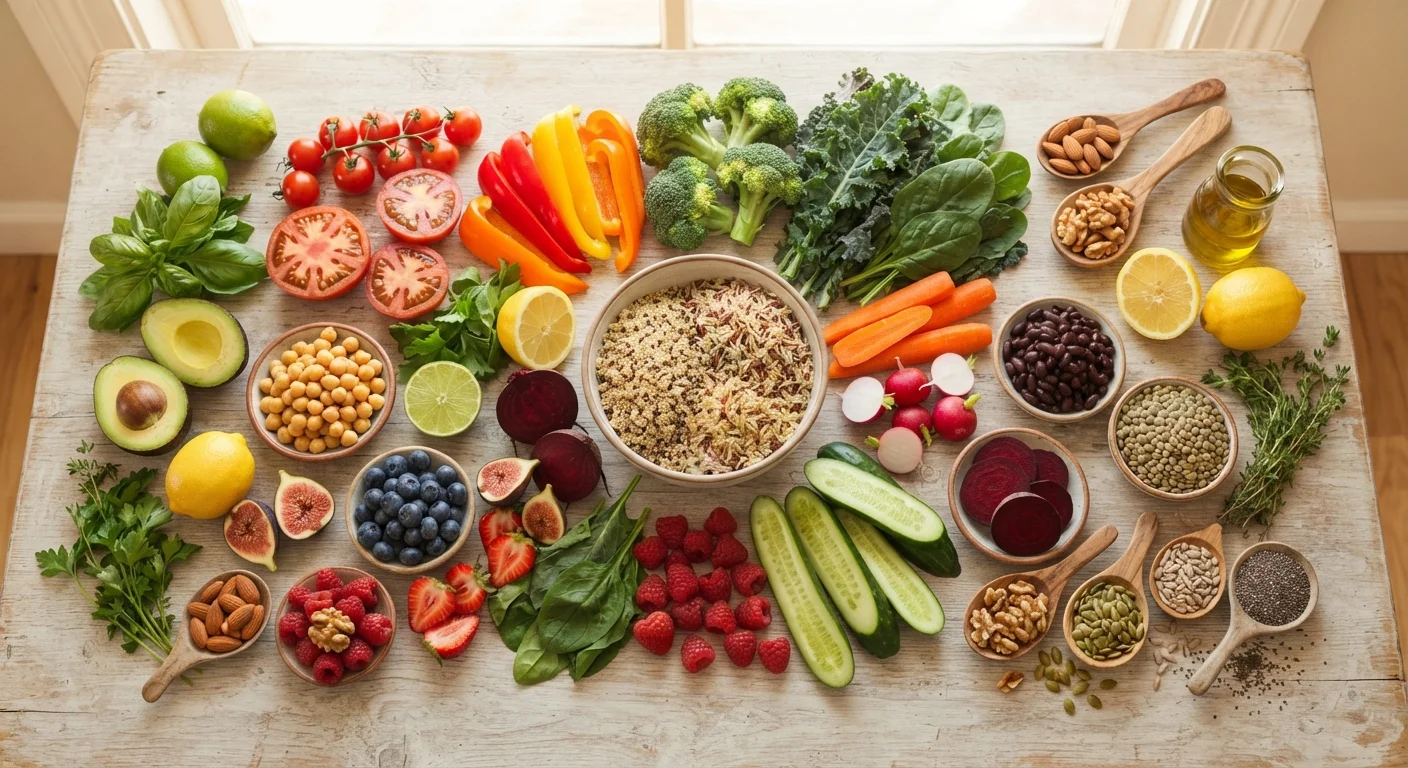
Photo: AscendWit.com | Explore Engaging Blogs. editorial
Key Takeaways
- Plant-based eating is a spectrum - it does not require eliminating all animal products.
- Whole plant foods are associated with reduced risk of several chronic diseases in large observational studies.
- A few key nutrients - especially B12, iron, and omega-3s - deserve attention when reducing animal foods.
- Small, consistent shifts toward more plant foods can be nutritionally meaningful over time.
- Anyone with specific health conditions should consult a registered dietitian before making major dietary changes.
What 'Plant-Based' Actually Means
The phrase plant-based eating gets used in many ways - sometimes as a synonym for veganism, sometimes as a loose signal of eating more vegetables. For this guide, it refers to a dietary pattern built primarily around whole plant foods: vegetables, fruits, legumes, whole grains, nuts, and seeds. Animal products may be reduced or eliminated, but the defining feature is what you're adding, not just what you're removing.
This distinction matters. Research consistently suggests that populations eating more whole plant foods - such as those following Mediterranean or DASH-style patterns - show lower rates of cardiovascular disease and type 2 diabetes in large observational studies. The evidence points to the overall pattern, not to any single food or strict rule. How popular diets compare on core principles is worth understanding before assuming one label fits all.
Whole plant foods
Foods that come from plants and are minimally processed - think vegetables, fruits, beans, lentils, whole grains, nuts, and seeds in close to their natural state.
Flexitarian
A style of eating that is mostly plant-based but occasionally includes meat or other animal products - a middle ground rather than a strict label.
Non-heme iron
The form of iron found in plant foods. It is absorbed less efficiently than heme iron (found in meat), but absorption can be improved by eating it alongside vitamin C.
Fortified food
A food product that has had vitamins or minerals added to it during processing - for example, plant milks fortified with calcium or vitamin D.
Dietary pattern
The overall combination of foods and drinks a person regularly consumes, rather than any single meal or food choice. Research often studies patterns because no food exists in isolation.
Where you land on the spectrum - from flexitarian (occasionally eating meat) to fully plant-exclusive - depends on your health goals, food preferences, and practical circumstances. Neither extreme is required to benefit from eating more plants.
Key Nutrients to Pay Attention To
Whole plant foods cover most nutritional needs well. But a handful of nutrients become more difficult to obtain when animal foods are significantly reduced, and ignoring them can lead to real deficiencies over time.
- Vitamin B12: Found almost exclusively in animal products. Anyone eating a fully plant-based diet should discuss B12 supplementation with a healthcare provider - this is not optional.
- Iron: Plants contain non-heme iron, which is absorbed less efficiently than the heme iron in meat. Pairing iron-rich foods (lentils, tofu, fortified cereals) with vitamin C sources improves absorption.
- Omega-3 fatty acids: ALA (found in flaxseed and walnuts) is plant-derived, but conversion to the EPA and DHA forms the body uses is limited. Algae-based omega-3 supplements provide EPA and DHA directly.
- Calcium and Vitamin D: Dairy is a common calcium source in American diets; fortified plant milks, tofu made with calcium sulfate, and leafy greens can contribute, but total intake deserves monitoring.
- Zinc and Iodine: Both warrant attention, particularly for those avoiding all animal products. Iodized salt or iodine-containing foods help address iodine needs.
Pair Iron-Rich Plants with Vitamin C
A registered dietitian - especially one familiar with plant-based patterns - is the most reliable resource for evaluating your individual nutrient status. For a broader foundation in nutrition, this comprehensive nutrition guide explains macros, micros, and food labels accessibly.
Realistic Ways to Start
Overhauling your entire diet at once rarely sticks. Nutritional research on behavior change consistently supports gradual, sustainable shifts. A few starting points that hold up in practice:
- Add before you subtract. Focus first on adding vegetables, beans, or whole grains to meals you already enjoy, rather than immediately removing foods.
- Make one meal plant-forward. Breakfast is often the easiest place to start - oatmeal with fruit and nuts, or whole-grain toast with nut butter, requires almost no new cooking skills.
- Swap one ingredient at a time. Replace ground beef with lentils in a taco filling, or try chickpeas in a soup instead of chicken. Flavor profiles can stay familiar while the protein source shifts.
- Build a pantry backbone. Dried or canned beans, lentils, brown rice, oats, canned tomatoes, and frozen vegetables form an inexpensive, nutritionally dense base. Eating well on a budget covers this in practical detail.
- Learn one new plant-forward recipe per week. Familiarity reduces friction. A small rotation of reliable meals does more than an ambitious plan that never gets executed.
Building a balanced plate offers helpful frameworks for structuring these meals without calorie counting.
Not Every Plant-Based Product Is a Health Food
Common Questions and Honest Answers
A few concerns come up repeatedly when people explore plant-based eating. Here is what the evidence actually supports - and where uncertainty remains.
Will processed plant-based foods make things easier?
Meat substitutes, plant-based burgers, and packaged vegan products have expanded access and reduced friction for many people. However, these products are often high in sodium and saturated fat, and they do not carry the same evidence base as whole plant foods. Treat them as occasional conveniences, not the foundation of the pattern.
Is this approach suitable for athletes or very active people?
Plant-based athletes compete at elite levels, so it is clearly feasible. Protein and calorie needs may be higher during intense training, requiring more intentional planning. Anyone significantly increasing activity levels alongside a dietary shift should consider working with a sports dietitian.
What about environmental considerations?
Reduced consumption of animal products - particularly ruminant meat - is consistently associated with lower dietary greenhouse gas emissions in lifecycle analyses. This is a legitimate reason many people explore this pattern, though it falls outside the scope of medical nutrition advice.
This article is for general informational and educational purposes only and is not a substitute for professional medical or dietary advice. Consult a qualified healthcare provider or registered dietitian before making significant changes to your diet, particularly if you have a medical condition or specific nutritional needs.
Frequently Asked Questions
The content on this site is for informational purposes only and is not a substitute for professional advice. Always consult a qualified professional for guidance specific to your situation.