
Stress vs. Anxiety: Where One Ends and the Other Begins

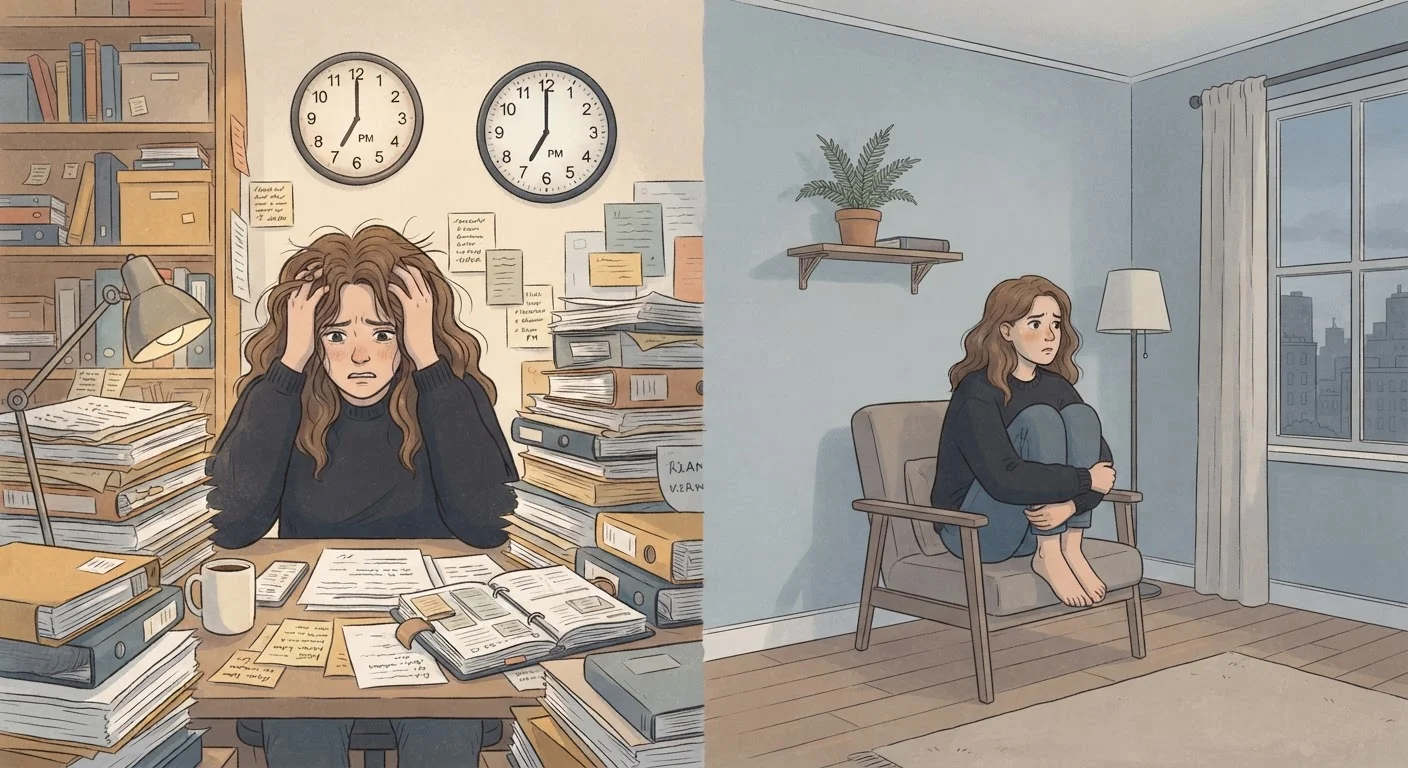
Photo: AscendWit.com | Explore Engaging Blogs. editorial
Key Takeaways
- Stress typically has a clear external trigger and eases once the situation resolves.
- Anxiety often persists even without an identifiable cause, and can become self-sustaining.
- Both conditions share physical symptoms like tension and sleep disruption, making them easy to confuse.
- Chronic stress can increase vulnerability to developing an anxiety disorder over time.
- Knowing the difference helps you choose the right coping strategies or seek appropriate support.
- Persistent anxiety that interferes with daily life warrants professional evaluation.
Why This Distinction Matters
Most people use the words "stress" and "anxiety" interchangeably - and understandably so. They can look nearly identical from the outside: racing thoughts, physical tension, poor sleep, irritability. But clinically and practically, they operate differently, and that distinction shapes how you respond to them.
Misidentifying one for the other isn't just a semantic issue. Treating situational stress as though it were an anxiety disorder, or dismissing genuine anxiety as ordinary worry, can mean reaching for strategies that don't quite fit - and missing support that could genuinely help. Understanding where stress ends and anxiety begins is a meaningful first step toward caring for your mental well-being.
For related context on navigating mental health during demanding periods, see our piece on caring for your mental health during major life transitions.
Stress: A Response to External Pressure
Stress is the body and mind's response to an identifiable external demand. A looming deadline, a difficult conversation, financial pressure, or caregiving responsibilities can all produce stress. It's rooted in something you can usually point to.
Physiologically, stress activates the body's fight-or-flight response - releasing hormones like cortisol and adrenaline, which heighten alertness and energy. This response evolved to help us handle real, immediate threats. In short bursts, it's functional. The problem arises when stressors pile up faster than they resolve, or when stressors become chronic without relief.
A defining feature of stress is that it tends to ease when the stressor does. Once the deadline passes or the conflict resolves, the physical and emotional pressure typically subsides. If you can trace your distress to a specific, concrete source - and you feel relatively settled when that source isn't present - stress is likely the more accurate description.
~19%
U.S. adults with an anxiety disorder annually
According to the National Institute of Mental Health, anxiety disorders are among the most prevalent mental health conditions in the United States.
33%
Adults who report extreme stress
The American Psychological Association's Stress in America surveys have consistently found a substantial proportion of U.S. adults report stress levels they consider extreme.
Unchecked chronic stress can erode well-being over time and, research suggests, may increase vulnerability to anxiety disorders. If you notice stress spilling over into persistent exhaustion and disengagement, our article on signs that everyday stress has crossed into burnout offers useful guidance.
Anxiety: When Worry Takes on a Life of Its Own
Anxiety shares many surface symptoms with stress - muscle tension, racing thoughts, sleep disruption - but its relationship to external triggers is fundamentally different. Anxiety often feels disconnected from any single cause. The worry can feel difficult to control, disproportionate to the actual situation, or present even when conditions are objectively calm.
Clinically, anxiety disorders are among the most common mental health conditions in the United States. According to the National Institute of Mental Health, an estimated 19% of U.S. adults experience an anxiety disorder in any given year. These disorders include generalized anxiety disorder (GAD), social anxiety disorder, panic disorder, and others - each with distinct features but sharing the hallmark of persistent, often hard-to-manage worry.
| Criterion | Stress | Anxiety |
|---|---|---|
| Primary trigger | Identifiable external stressor | Often unclear or internal |
| Duration | Eases when stressor resolves | Persists beyond triggering events |
| Nature of worry | Focused on specific problem | Diffuse, hard to control |
| Physical symptoms | Tension, fatigue, irritability | Tension, restlessness, panic symptoms |
| Clinical classification | Not a diagnosable disorder | Can meet criteria for anxiety disorder |
| Response to resolution | Relief typically follows | May persist even after resolution |
Unlike stress, anxiety can become self-reinforcing. Worrying about worry - sometimes called "meta-anxiety" - can amplify the cycle rather than resolve it. Sleep disruption caused by anxious thoughts then feeds into reduced resilience, which can intensify anxious feelings the next day. The connection between sleep and mental health here is significant; our article on sleep and mental health explores this relationship in depth.
When to Seek Professional Support
Stress that resolves with rest, problem-solving, and social support rarely requires clinical intervention. But anxiety - especially when it's persistent, difficult to control, or interfering with work, relationships, or daily routines - is worth discussing with a qualified professional.
Not Sure What You're Experiencing?
A licensed therapist, counselor, or psychiatrist can help determine whether what you're experiencing meets criteria for an anxiety disorder and, if so, which evidence-based approaches are appropriate. Cognitive behavioral therapy (CBT), for instance, has a substantial evidence base for treating anxiety disorders. To better understand the roles different mental health professionals play, see our overview of therapy, counseling, and psychiatry.
You don't need to wait until things feel unmanageable to seek support. If anxiety is affecting your quality of life - even moderately - that's reason enough to talk to someone who can help.
This article is for general informational purposes only and does not constitute medical or mental health advice. If you are experiencing significant distress, please consult a qualified healthcare or mental health professional.
The content on this site is for informational purposes only and is not a substitute for professional advice. Always consult a qualified professional for guidance specific to your situation.