
Mindfulness Without the Mysticism: What It Is and How It Works

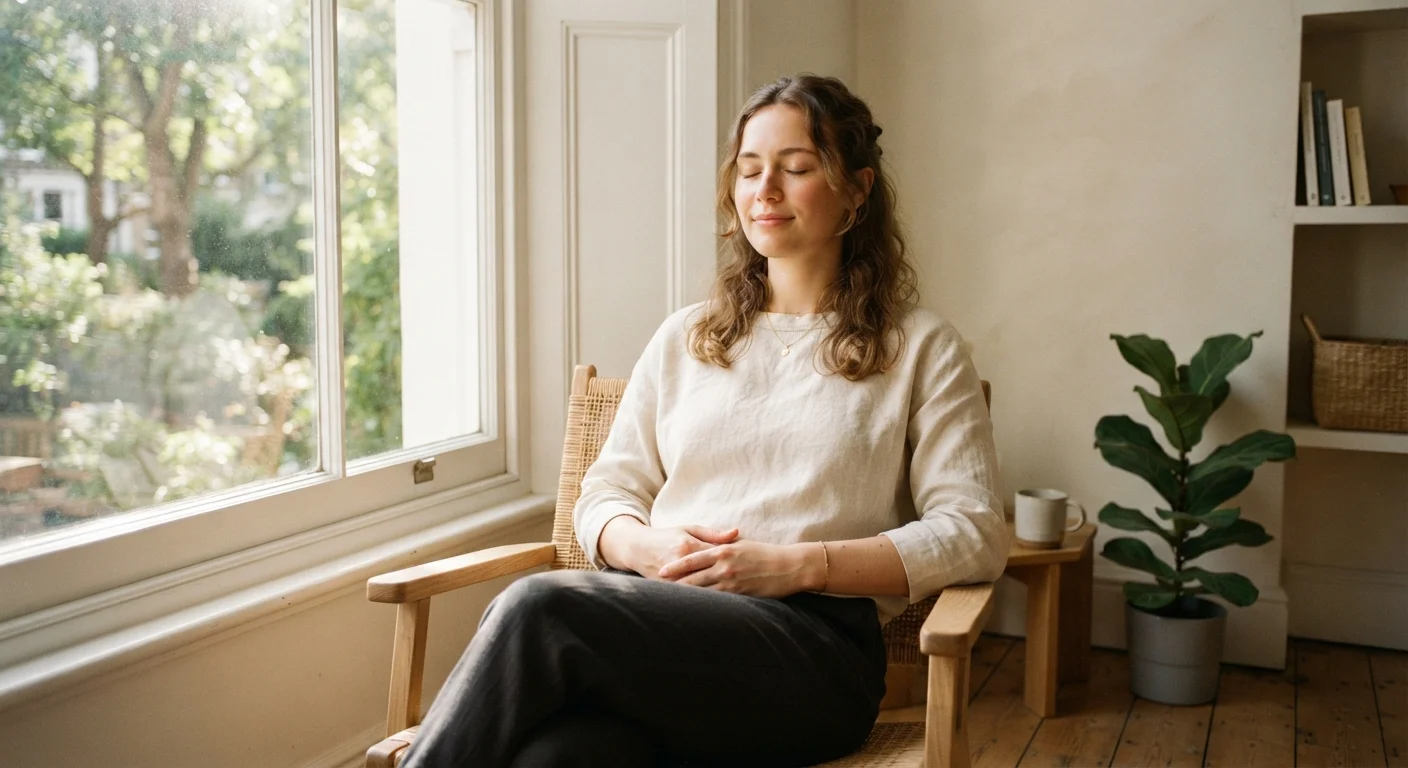
Photo: AscendWit.com | Explore Engaging Blogs. editorial
Key Takeaways
- Mindfulness is a trainable attention skill backed by decades of psychological research.
- It does not require meditation apps, spiritual beliefs, or expensive programs.
- The core practice is noticing present-moment experience without judgment.
- Research links mindfulness to reduced stress, anxiety, and emotional reactivity.
- Even brief, informal moments of mindful attention count as practice.
- Mindfulness is not a cure or replacement for professional mental health care.
Stripping Away the Noise
Mindfulness has become something of a cultural buzzword - plastered across wellness apps, corporate training decks, and self-help bestsellers. That visibility comes with a cost: the concept has accumulated so much packaging that many people aren't sure what they're actually being asked to do.
Is it Buddhism? Deep breathing? Thinking positive thoughts? Sitting cross-legged for an hour? None of these are required. Mindfulness, at its core, is a straightforward cognitive skill: intentionally directing your attention to the present moment without immediately evaluating what you find there.
Researchers and clinicians began investigating it seriously in the 1970s and 1980s, and it has since been incorporated into evidence-informed treatments for depression, anxiety, chronic pain, and stress. Understanding what the research actually supports - and what it doesn't - is the first step to deciding whether this practice is worth your time. If you're navigating related mental health vocabulary, our plain-language mental health glossary can help fill in the gaps.
What the Science Actually Shows
The psychological case for mindfulness isn't built on anecdote. A substantial body of peer-reviewed research - including meta-analyses covering thousands of participants - has found associations between mindfulness-based interventions and reductions in self-reported stress, anxiety, and depressive symptoms.
~200+
Randomized controlled trials of mindfulness interventions
A 2018 meta-analysis in Psychological Bulletin reviewed over 200 randomized controlled trials, finding consistent evidence that mindfulness-based programs reduce anxiety, depression, and pain.
43%
Reduction in depression relapse risk with MBCT
Multiple clinical trials have found that Mindfulness-Based Cognitive Therapy reduces the risk of relapse in patients with recurrent major depression by approximately 43% compared to usual care.
8 weeks
Duration of standard MBSR program
The Mindfulness-Based Stress Reduction program developed by Dr. Jon Kabat-Zinn is structured as an eight-week course and remains the most widely researched mindfulness intervention format.
Mindfulness-Based Stress Reduction (MBSR) and Mindfulness-Based Cognitive Therapy (MBCT) are the two most studied structured programs. MBCT, in particular, has been endorsed by major clinical bodies as an approach for reducing the risk of depression relapse in people who have experienced recurrent episodes.
The working mechanism isn't fully settled, but researchers generally point to changes in how people relate to their thoughts. Rather than getting pulled into a spiral of worry or self-criticism, people who practice mindfulness tend to develop a degree of psychological distance - observing a thought as a mental event rather than treating it as an absolute truth. This is sometimes called cognitive defusion in acceptance-based therapies.
“Mindfulness means paying attention in a particular way: on purpose, in the present moment, and nonjudgmentally. This kind of attention nurtures greater awareness, clarity, and acceptance of present-moment reality.”
— Jon Kabat-Zinn, Founder of Mindfulness-Based Stress Reduction (MBSR), Professor Emeritus at the University of Massachusetts Medical School
How to Actually Practice It
You don't need a cushion, an app, or thirty minutes of free time to practice mindfulness. The formal route - sitting quietly and focusing on the breath, gently returning attention whenever the mind wanders - is a reliable way to build the skill. But informal practice works too.
Informal mindfulness means bringing deliberate attention to ordinary activities: the texture of food while eating, the sensation of water during a shower, the physical feeling of walking. The instruction is the same in every case: notice what's present, and when your mind drifts (which it will), return without self-criticism.
Start With One Minute, Not Thirty
The wandering mind is not a failure. It is the moment of noticing that the mind has wandered - and choosing to return - that constitutes the practice. In that sense, distraction isn't an obstacle to mindfulness; it's the training itself.
If you're thinking about making mindfulness part of a broader daily routine, our article on building a mental wellness routine that sticks offers practical framing for doing exactly that.
Reasonable Expectations and Honest Limits
Mindfulness is not a cure for mental illness, and it isn't for everyone in every context. Some research suggests that intensive introspective practice can be uncomfortable or counterproductive for people with certain trauma histories or dissociative experiences. Starting slowly and working with a qualified mental health professional if you have existing concerns is a sensible approach.
It's also worth tempering inflated claims. Some enthusiasts describe mindfulness as a universal solution. The evidence paints a more modest picture: it is a useful skill for many people that supports emotional regulation and stress management - not a guaranteed transformation. Like many health interventions, the research quality varies, and effect sizes are often moderate rather than dramatic.
That honest framing doesn't diminish its value. A practice that helps people respond to difficult emotions with a bit more awareness and a bit less reactivity is genuinely useful - it just doesn't need to be mystified to earn that recognition. For more on evaluating health claims with appropriate skepticism, see our look at how research gets overstated in health and wellness.
You might also find it valuable to pair mindfulness with other evidence-informed habits. Our article on what research says about journaling and emotional health examines another widely recommended practice through a similarly grounded lens.
This article is for general informational and educational purposes only and does not constitute medical or mental health advice. If you are experiencing mental health concerns, please consult a qualified healthcare professional.
Frequently Asked Questions
The content on this site is for informational purposes only and is not a substitute for professional advice. Always consult a qualified professional for guidance specific to your situation.